For years, I treated self-pleasure the way I treated a phone call I had been meaning to return. Eventually. When there was time. After everything else was done.
I have a shelf for my serums. I have a meditation app I open most mornings. I have a calendar reminder for a walk. Pleasure, in my own routine, used to live at the bottom of that list.
That is the small problem I want to look at here. Not because self-pleasure is sacred. Because the body that shows up for every other form of care also deserves a few minutes that ask nothing of it.
Sexual Wellness Is Part of Well-Being
When people say sexual health, they often mean pregnancy, infection, or what has gone wrong in the bedroom. Pleasure rarely makes the list.
The World Health Organization sees it differently. Sexual health, in their definition, includes physical well-being, emotional well-being, mental well-being, and social well-being related to sexuality. It also names the possibility of a safe, pleasurable experience free from coercion. World Health Organization
This does not mean everyone needs to masturbate. Asexual people, people with low desire and anyone who simply does not feel interested can still have complete and healthy lives. What it means is that when self-pleasure is wanted, it does not need to be justified as a productivity hack or apologized for as something indulgent.
Pleasure is allowed to count as wellness. Not every practice has to calm the nervous system or improve the skin to matter.
Notice the surface
Learn how your skin responds to weather or stress.
Notice the mind
Observe how thoughts move through a difficult hour.
Notice sensation
Meet touch, pressure and attention without a performance goal.
What Self-Pleasure Offers That Skincare Cannot
A skincare routine teaches you how your skin responds to weather or stress. A meditation practice teaches you how your thoughts move through a difficult hour. Self-pleasure can teach you something your mirror never will. How your body responds to touch. How it responds to pressure. How it responds to plain attention.
Time with your own body is a way of gathering information.
- Where does the body hold tension?
- Which kind of pressure feels comforting?
- Does sensation arrive more easily when you are tired or rested?
- When do you want more, and when do you want to stop?
This is useful even when nothing dramatic happens. Knowing your own responses makes it easier to talk with a partner, to name discomfort early, and to separate genuine preference from habits you picked up somewhere along the way.
Solo pleasure, in that sense, is a private practice of body literacy. Curiosity, consent and a clearer sense of self. If you want more anatomy context, Joybloom's scientific map of the clitoris explains the structures involved without making sensation into a test.
But Can Masturbation Really Reduce Stress?
Some people feel softer and sleepier after self-pleasure. Others feel alert, neutral, or uninterested. Both reactions are real.
A 2024 mixed-method study that surveyed 370 women found that participants often described masturbation as a way to cope or to care for themselves, with relaxation as a frequent association.
The limit: The study used a convenience sample and a cross-sectional design, so it cannot show that masturbation directly reduces psychological distress. International Journal of Sexual Health
Cleveland Clinic makes a similar point. Masturbation may help some people release tension or improve sleep.
The limit: These are possibilities, not treatments for anxiety or insomnia. Cleveland Clinic
The honest reason to make space for pleasure in self-care is not that it hacks your hormones. It is that it offers a few minutes of chosen attention in a day that may otherwise belong entirely to other people.
A ritual that returns your body to yourself is sometimes worth more than a routine that tries to fix it. If stress has made desire difficult to reach, see the companion guide to reconnecting with desire gently. For a closer look at nighttime claims, read what research says about orgasm and sleep.
Why Fragmented Time Makes Deeper Self-Care Difficult
Time arrives in pieces. Five minutes here. Ten minutes there. Self-care often turns into another task to push through.
Apply the serum. Finish the breathing exercise. Close the app. Move on.
A short ritual does not need much time. It needs a different quality of attention.
Self-pleasure can fall into the same trap. If the only goal is to reach a finish line as quickly as possible, you may get released without ever noticing what your body was doing or what your body wants.
Ten quiet minutes with your phone out of reach tend to do more than an hour spent half-presently. A calmer setting can help too; these sensory bedroom ideas focus on privacy, control and fewer competing signals.
A 10-Minute Sexual Self-Care Ritual
The shape below is a starting point. You can stop earlier, stretch it longer, or skip a step. Nothing here is medical advice. For a broader everyday routine, visit Joybloom's sexual self-care guide.
Create a Boundary
Place your phone out of reach. Close the door, lower the lights and make sure you will not need to rush because someone may interrupt.
Privacy is not just part of the atmosphere. It tells the nervous system that this moment does not require vigilance.
Arrive in the Body
Skip the most sensitive spot at first. Notice the jaw, the shoulders, the belly, the pelvic floor. Let the exhale stretch a little longer. Touch the neck, chest, hips, or inner thighs and see what the body wants. Firmer pressure, light contact, or no contact at all.
Follow Sensation, Not a Goal
Use your hands, a water-based lubricant, or a small tool. Change one thing at a time, such as location, rhythm, or pressure, so you can notice what your body responds to.
Close the Ritual
Clean what you used. Take a few slow breaths. Resist the urge to reopen email the moment you stand up.
The closing minute is what turns an isolated moment into a small, intentional practice.
Mindfulness and sexual awareness share a simple idea. Pay attention to present sensations without immediately judging them. The International Society for Sexual Medicine notes that this kind of attention can make it easier to recognize pleasure. It can also make it easier to notice discomfort or arousal as they show up. ISSM
Orgasm is welcome. It is not the measure of whether the ritual worked. If your breathing slows, your muscles soften, or you notice a sensation worth remembering, the time has already done its job.
If you want more technique ideas while keeping the same pressure-free approach, read female masturbation techniques that start with comfort and curiosity.
Pleasure Tools Designed for Real Life
The best wellness objects reduce friction between intention and action. They should feel intuitive, be comfortable to hold and easy to incorporate into the environment you already have.

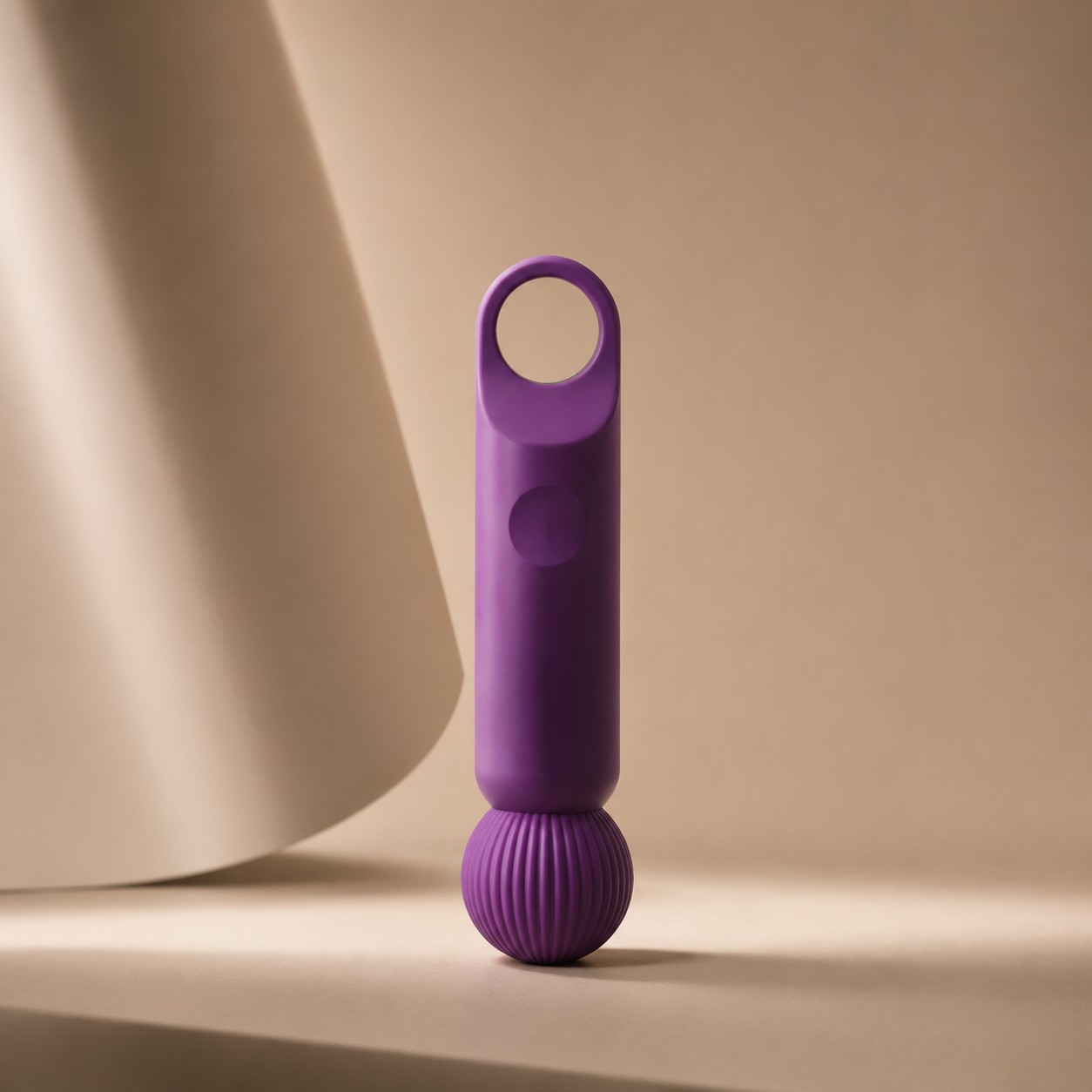
Lola Mini Wand
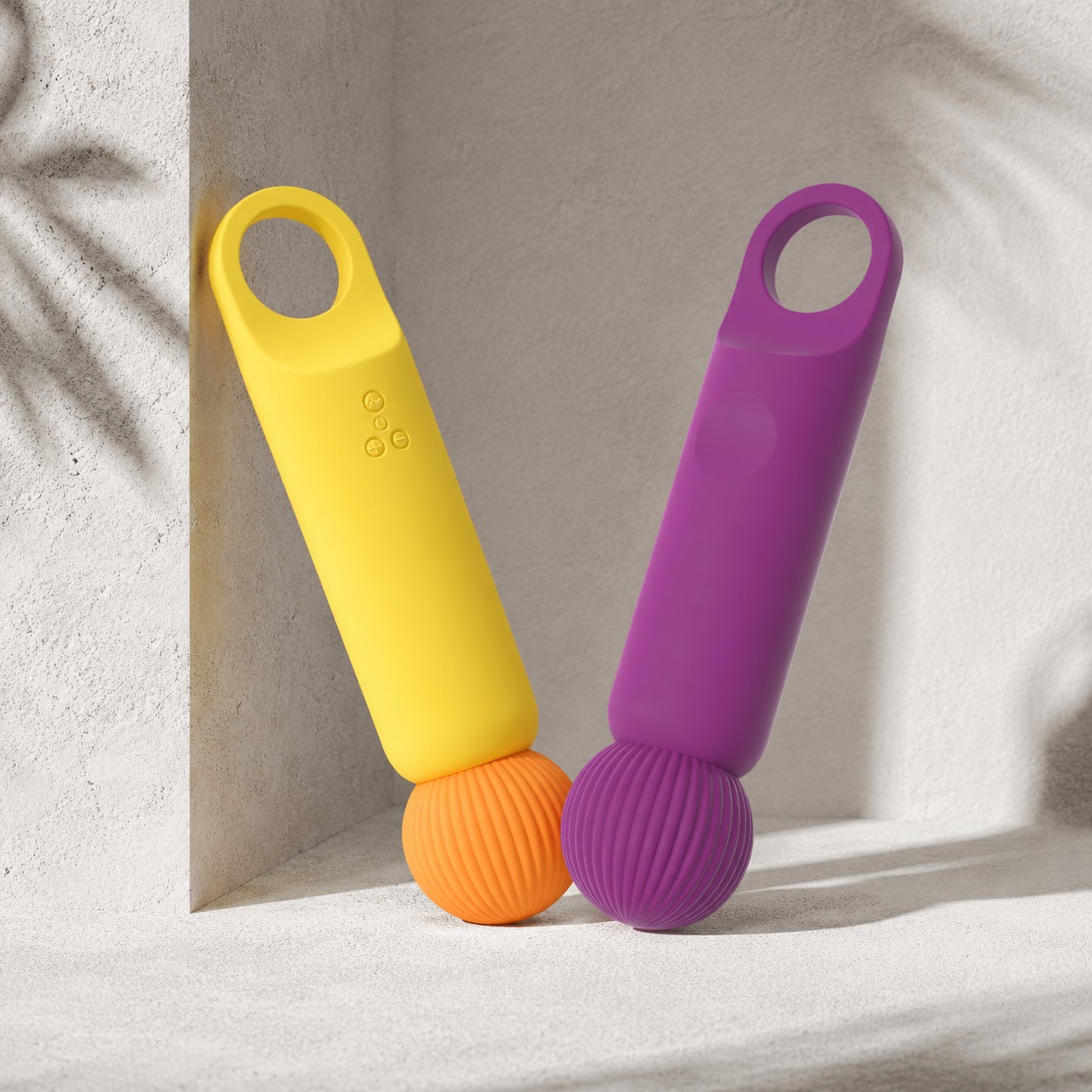
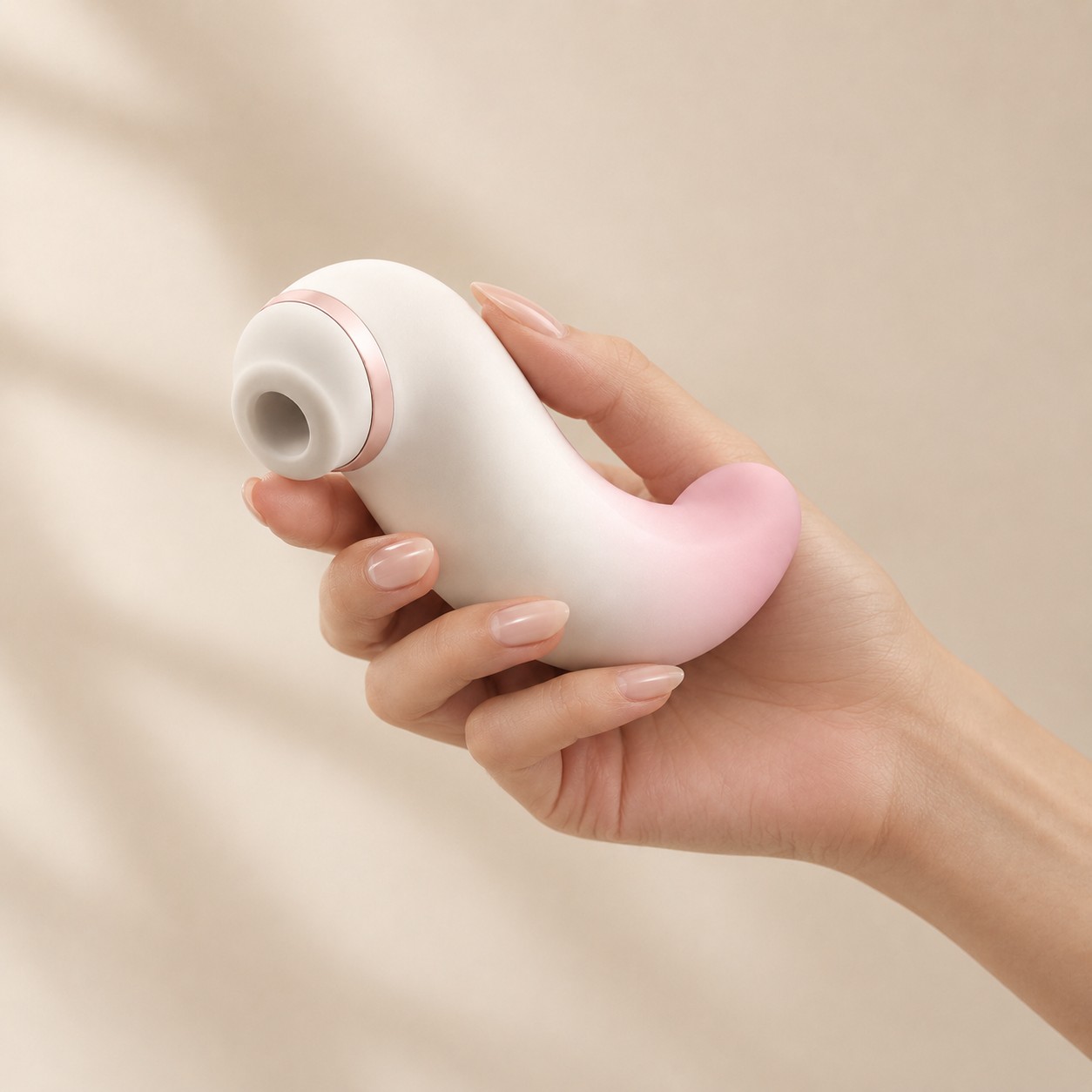
For a short private moment, The Joybloom Lola Mini Wand has a compact form and one-button control. There is no app to open or complex interface to learn. Its small head can move around the clitoral hood, vulva, or nipples to explore targeted sensation.
Lola produces strong vibration, so intensity should never be its starting promise. Begin over underwear or beside the most sensitive area, and stop if you notice pain or persistent numbness. Its value in a fragmented day is the low cognitive effort required to begin.

Sola Wand
When the moment feels more like whole-body care, The Joybloom Sola Wand offers a broad head and long handle. It can move from the neck and shoulders to the inner thighs and external intimate areas, so the experience does not have to start at the most intense point. Start at the lowest setting, add water-based lubricant if friction becomes distracting, and stop if anything hurts or goes numb.
Neither product treats stress, insomnia or sexual dysfunction; they are tools for sensation and body awareness.
After use, clean the product according to its instructions and store it somewhere dry and private. Thoughtful maintenance is part of the ritual, just as it is with skincare tools. Joybloom's guide explains how to clean and store sex toys, and the Lube Compatibility Checker can help you match a lubricant to a material.
One More Thing I Appreciate
Many pleasure products come with an app, an account, a login, and a small trail of usage data. The Joybloom lineup is designed without any of that. No app to pair, no account to create, and no usage history sent to a server. You can keep the wand in a regular drawer and use it in a shared space, and no one in the company knows whether you turned it on last Tuesday.
A tool that helps you listen to your body should not also be watching you.
When Self-Pleasure Does Not Feel Restorative
A ritual is meant to feel like a small return. Sometimes it does not.
Pause and reconsider if self-pleasure regularly causes pain, bleeding, irritation, or persistent numbness. Pause if it has started to feel compulsory or if it begins to crowd out sleep, work, or relationships. Pause if it has become a way to avoid emotions that need other kinds of support or if it leaves behind fear, shame, or distress.
A gynecologist, sexual-health clinician, or qualified therapist can help sort out physical discomfort, medication effects, trauma responses, or patterns that have started to feel less like care and more like escape. Solo pleasure can sit alongside mental-health support. It should not be expected to stand in for it.
If appearance anxiety is making it difficult to stay present, body image and sexual confidence offers a sensation-first way to begin.
Frequently Asked Questions
Does masturbation count as self-care?
When it is voluntary and comfortable, free of performance pressure, it can. When it carries shame or obligation, it usually is not.
Do I need to orgasm for the routine to work?
No. Pleasure can show up without climax. So can relaxation or curiosity. Making orgasm mandatory can turn self-care into another source of pressure.
How often should I practice sexual self-care?
There is no recommended frequency. The appropriate amount is whatever feels comfortable and does not interfere with your health, responsibilities or relationships.
Can I use a vibrator every day?
Many people can use vibrators regularly without problems. Use a comfortable intensity, clean the product after use and take a break if you experience irritation, soreness or numbness.
Is self-pleasure a replacement for partnered intimacy?
No. Solo and partnered experiences meet different needs. Self-pleasure can coexist with a satisfying relationship and may help you communicate your preferences more clearly.
What if I am not interested in self-pleasure?
Nothing is wrong. Sexual self-care is an option, not a requirement. Rest, boundaries, medical care and nonsexual touch can also be meaningful forms of body care.
The Takeaway
Self-care should not exist only on the surface of the body.
Skincare can help you care for your skin. Meditation can help you observe your thoughts. Sexual self-care can help you notice sensation, desire, comfort and the edges of your own boundaries.
It does not have to be dramatic. It does not have to end in orgasm. It may last only ten quiet minutes.
What makes it meaningful is that, for once, your body is not being evaluated, improved or prepared for someone else. It is simply being listened to.