For years, I treated my low-energy weeks like personal failures. I blamed bad sleep, too much screen time and so on. Some of those shifts were following a hormonal rhythm I had been brushing off, one that moves my mood, drains or lifts my energy, and changes how I experience desire.
I still do not track my cycle perfectly, and I do not think most people need to. What has changed is how I respond. When I notice a familiar drop, I no longer try to push through it. I let it be evidence of something happening in my body, then I adjust.
That is what menstrual cycle self-care looks like for me, a way of paying closer attention and giving myself more room to respond.
Your Cycle Is Not a 28-Day Script
A menstrual cycle starts on the first day of bleeding and continues until the next period begins. Twenty-eight days is often treated as the standard, but cycles ranging from roughly 24 to 38 days can still be regular. Ovulation does not always happen on day 14. [Office on Women’s Health]
Biologically, the ovarian cycle moves through the follicular phase, then ovulation, then the luteal phase. Menstruation happens during the early follicular phase, though it is useful to discuss bleeding on its own because it creates its own practical needs.
These phases describe reproductive physiology. They do not predict your personality, productivity, or desire with any real accuracy. Sleep can shift how you feel. So can stress, pain, medication, the state of your relationships, and your mental health. All of these shape how each day lands.
Menstruation: Reduce Pressure and Check In
Estrogen and progesterone are relatively low when menstruation begins. Some people experience cramps, fatigue, headaches or digestive changes; others barely notice a difference.
If this phase tends to feel heavy for you, a few simple things can help. Apply heat for cramping. Choose gentle movement if it feels comfortable. Protect extra sleep. Eat regularly. Reduce nonessential commitments. Notice whether you want touch, space, or a bit of both.
Exercise does not need to stop during your period. Walking or other comfortable physical activity may help some people manage cramps, though your preferred intensity should follow how you actually feel that day. [Office on Women’s Health]
Sexual desire during menstruation can be lower, higher, or unchanged. None of these responses points to a problem.
Follicular Phase: Follow Returning Energy—If It Appears
After menstruation begins, estrogen gradually rises as an ovarian follicle develops. Some people notice more energy, curiosity or mental clarity as they move through the follicular phase.
If that pattern fits you, this can be a comfortable time for more active self-care. Try a different workout. Make social plans. Explore a new pleasure routine.
The important phrase is if that pattern fits you.
Hormones do not erase the effects of poor sleep, demanding work or emotional stress. Rising estrogen does not put you under any obligation to be more productive. Treat increased energy as an available resource rather than another expectation to meet.
Ovulation: Desire May Rise, but It Is Not Guaranteed
Some studies have found a small average increase in sexual desire around the middle of the cycle. That average hides considerable variation between individuals.
A 2023 daily-diary study involving 213 participants found that some experienced a midcycle rise in desire, others experienced an increase around menstruation and others showed no meaningful cyclical change. Psychological changes were more closely associated with day-to-day desire than most physical symptoms. [The Journal of Sexual Medicine]
If you notice greater sensitivity or interest around ovulation, give it some space without turning it into a performance target. You might initiate a conversation with a partner, schedule uninterrupted private time, or explore what type of touch feels appealing right now.
This is also the fertile part of a naturally ovulating cycle. Cycle predictions on their own should not be treated as reliable contraception.
Luteal Phase: Protect Your Emotional Bandwidth
After ovulation, progesterone rises. If pregnancy does not occur, estrogen and progesterone later fall before menstruation begins.
Some people experience premenstrual anxiety, irritability, low energy, sleep disruption, breast tenderness, bloating or reduced sexual interest. Symptoms and their intensity can shift across the years. [Office on Women’s Health]
Late-luteal self-care often looks more like reducing avoidable strain. Leave more space between demanding tasks. Keep regular sleep and meal times. Choose movement that feels restorative. Delay nonurgent conflict when emotions feel unusually intense. Tell a partner when you need slower touch, reassurance, or a bit of space.
A lower desire level is information. It does not mean anything is wrong with the relationship. Intimacy during this phase might look like affectionate touch, a slow massage, or simply resting together without any expectation of sex.
Build Your Own Cycle Map
The most useful cycle plan begins with observation.
For two or three cycles, record a few simple things:
- Bleeding
- Energy
- Sleep
- Anxiety or mood changes
- Cramps and other pain
- Sexual desire
- Preferred type of touch
- Major stressors
A 1 to 5 scale works well. After several cycles, look for repetition.
You may discover that desire rises near ovulation. You may instead notice that sleep quality, workload or relationship connection predicts it more reliably. Both findings are useful.
Make Pleasure a Flexible Part of Self-Care
Pleasure does not need to disappear when your energy or sensitivity changes. The method can change with you.

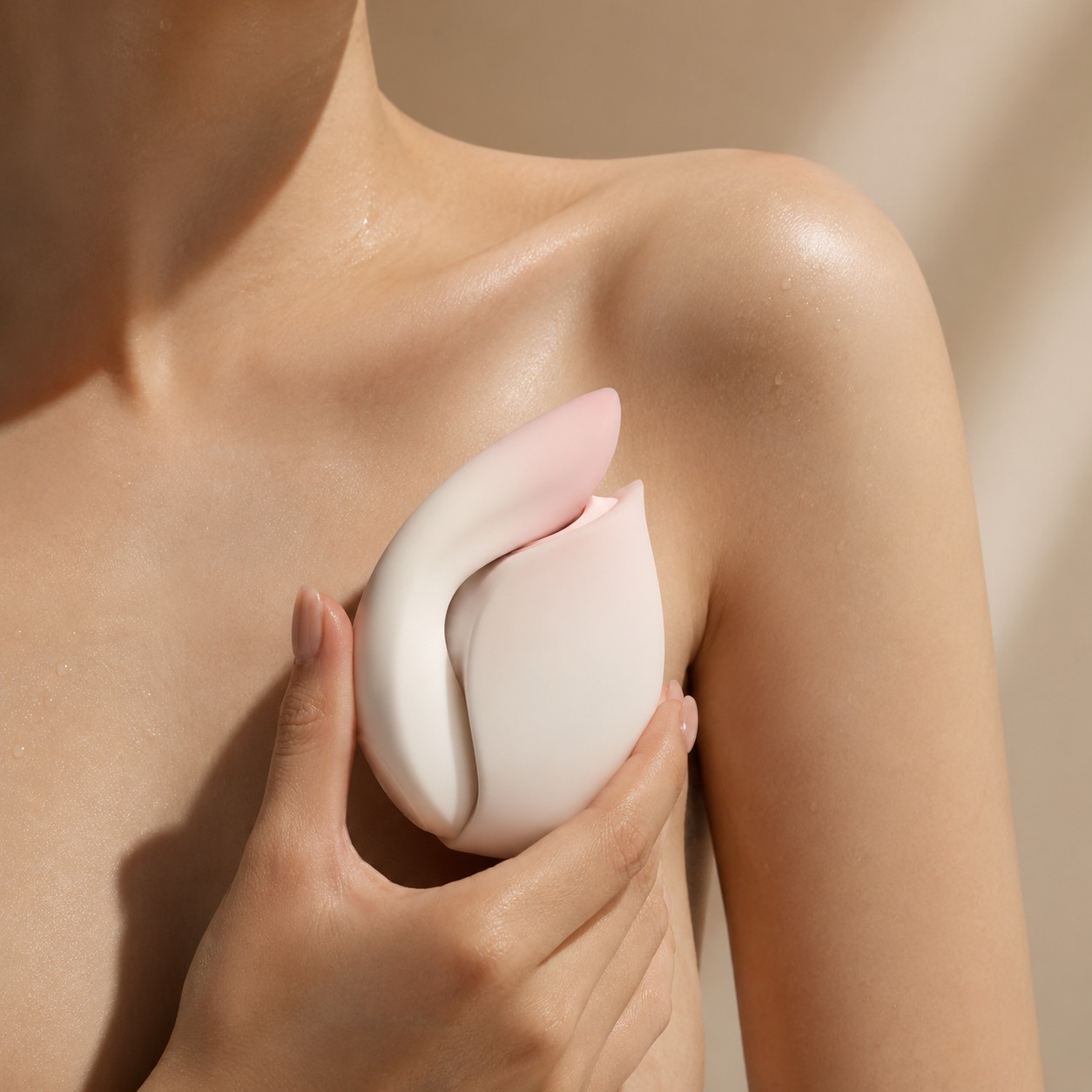
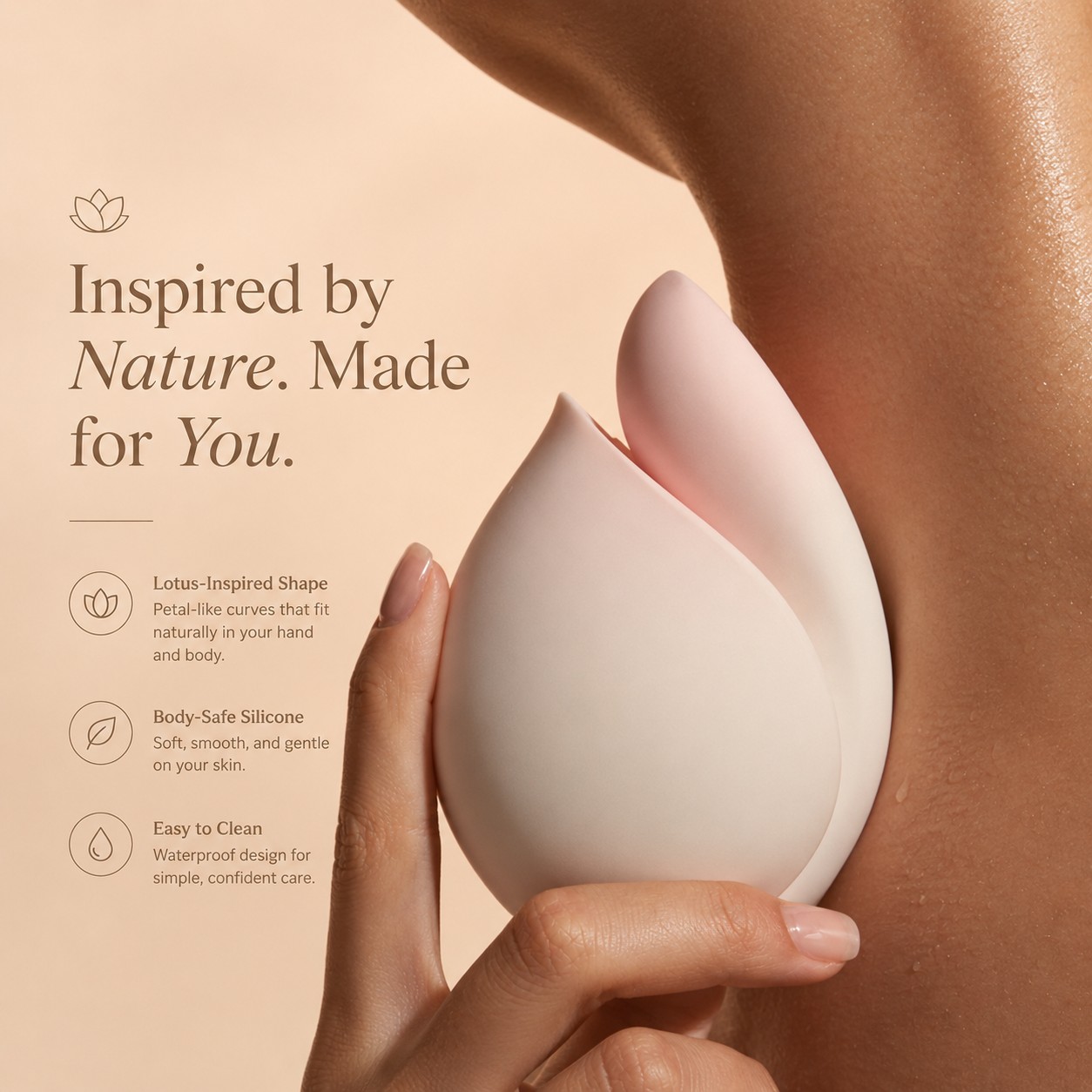
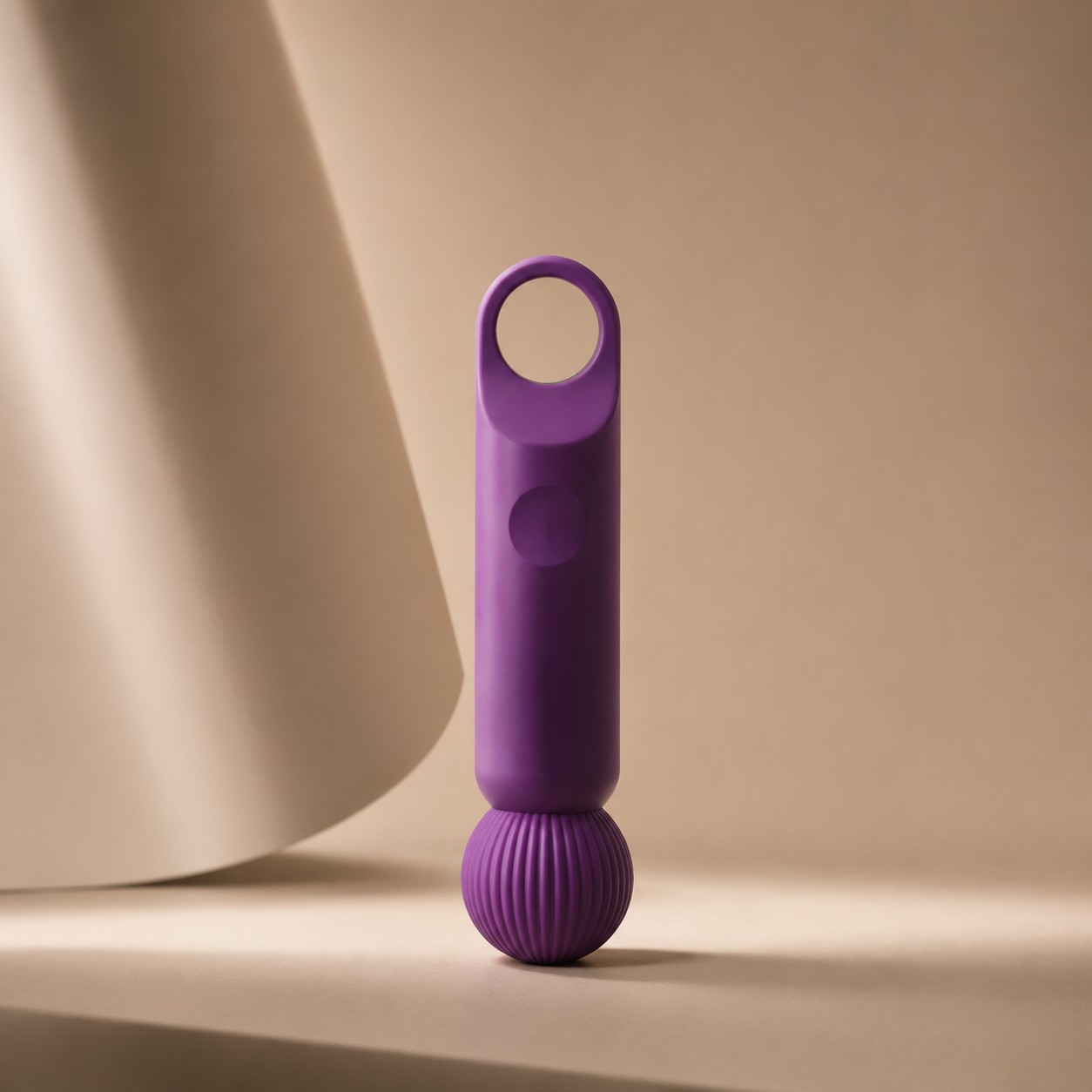
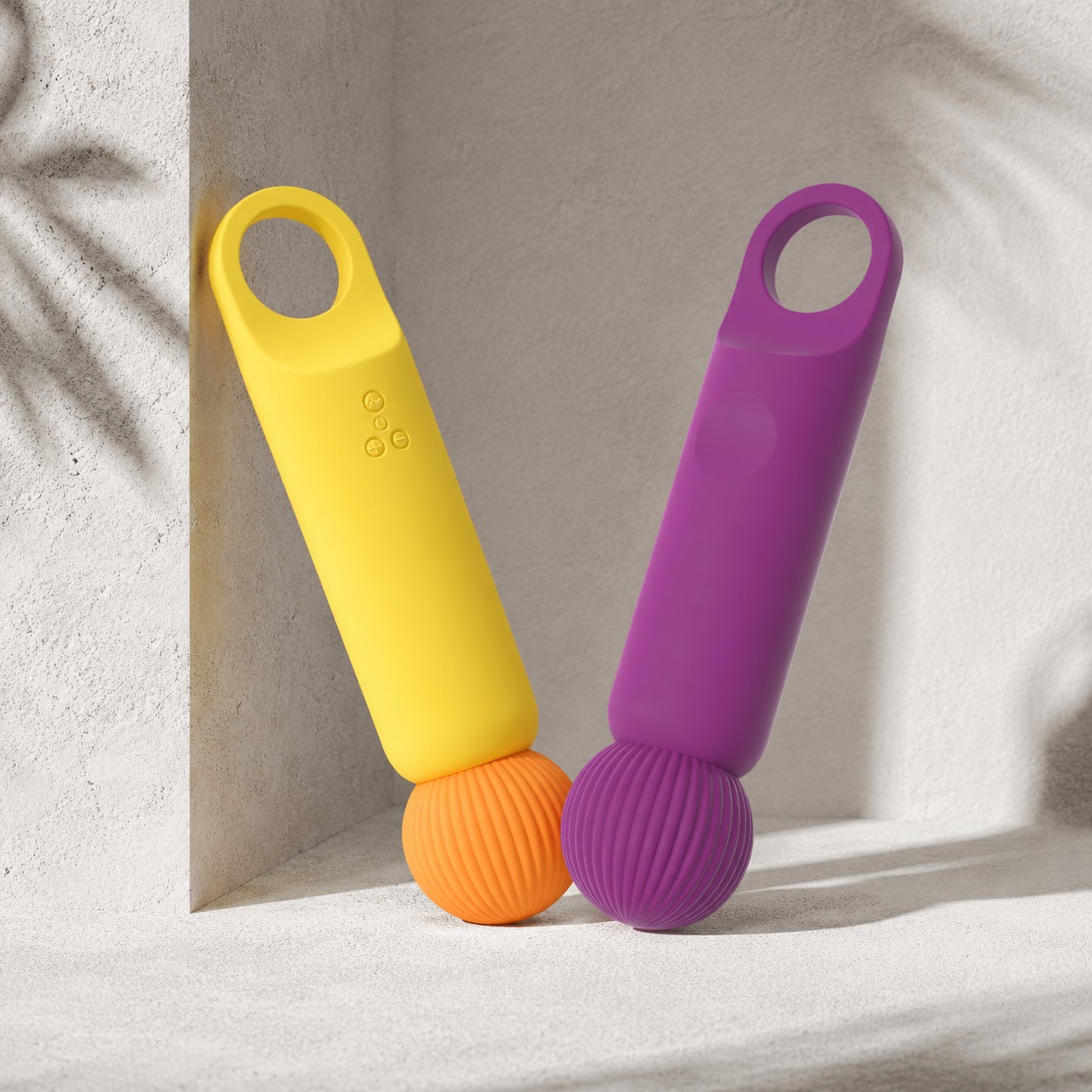
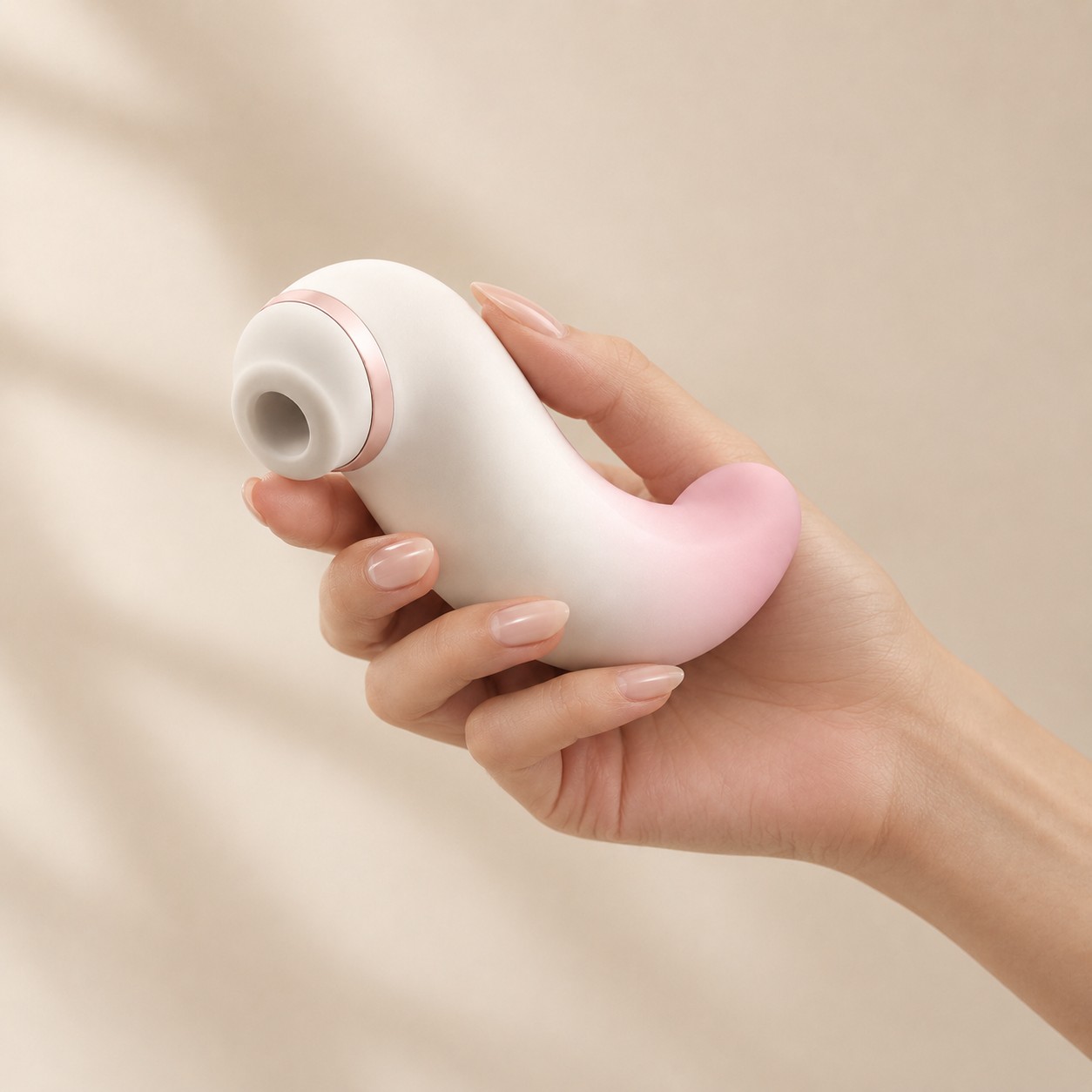
On days when complex settings feel like too much effort, The Joybloom Lola Mini Wand offers a compact design, one-button control and targeted vibration for external areas such as the clitoral hood, vulva or nipples. Its small form can make private solo exploration feel simpler when you want sensation without an elaborate setup.
Begin beside the most sensitive area rather than using intense direct contact immediately. If friction feels uncomfortable, Water Soluble Lubricant can add glide and is compatible with Lola’s silicone material.
Neither product balances hormones or treats PMS. They are optional tools for body awareness and pressure-free pleasure. Skip stimulation if you feel pain, irritation or simply do not want it. Clean the product before and after use according to its instructions.
When Cycle Symptoms Need Professional Support
Speak with a healthcare professional if pain or bleeding regularly causes you to miss work, school or normal activities. Severe menstrual symptoms are not something you have to quietly tolerate.
Reach out for an evaluation if you experience:
- Severe or worsening pelvic pain
- Very heavy or prolonged bleeding
- Cycles that become persistently irregular
- Pain during sex
- Anxiety or depression that disrupts daily life
- Premenstrual symptoms that seriously affect work or relationships
Severe irritability, depression or anxiety before menstruation may indicate premenstrual dysphoric disorder, or PMDD, rather than ordinary PMS. [Office on Women’s Health]
Frequently Asked Questions
Does libido always increase during ovulation?
Not really. Research shows only a small average midcycle increase, with substantial individual variation. Some people notice higher desire near menstruation, while others experience no consistent cycle-related pattern.
Why do I feel anxious before my period?
Falling estrogen and progesterone after ovulation may contribute to premenstrual symptoms in people who are sensitive to hormonal change. Stress and poor sleep can also play a part, especially if you already live with an anxiety condition.
Can I exercise during my period?
Yes, if you feel well enough. Gentle movement may help some people with cramps and mood, though you do not need to maintain your usual intensity when your body needs rest.
Does hormonal birth control change these phases?
Hormonal contraception can suppress ovulation or alter natural hormonal fluctuations, depending on the method. A traditional follicular–ovulatory–luteal framework may not describe your experience accurately.
Is sex or masturbation safe during menstruation?
It can be safe when it feels comfortable. Use appropriate contraception and STI protection, remove internal menstrual products before penetration and stop if you experience pain or irritation.
The Takeaway
Your cycle can provide context. It should not become another set of rules. Effective menstrual cycle self-care means observing how your own mood and energy shift through the month, watching how your libido rises and falls, then responding without judgment. A phase-based guide can suggest where to look. Your personal pattern determines what you actually need.
Some months will follow a recognizable rhythm. Others will not.
The goal is learning to meet your body with more information, more flexibility, and more care. Not perfect hormonal optimization.