Daily Easy Self Care Tips
Self-care is not a luxury or occasional ritual—it is a daily system that supports your mental clarity, emotional balance, and physical comfort. This guide breaks down simple, realistic habits and tools you can integrate into everyday life.
What Daily Self-Care Really Means
Daily self-care is the practice of maintaining emotional, physical, and sensory balance through small but consistent actions. It is not about long routines, but about micro-moments that help you reset throughout the day.
Mental Reset
Short pauses to reduce stress and improve focus.
Physical Comfort
Relaxation of body tension through simple rituals.
Emotional Space
Creating time for personal emotional regulation.
Daily Self-Care Tips (Simple, Science-Backed & Effective)
If you are searching for easy self-care tips daily, the most effective approach is not complexity—but consistency. Research in behavioral psychology shows that small repeated habits improve mental health, stress levels, and emotional stability more effectively than occasional self-care routines.
Top 7 Daily Self-Care Habits You Can Start Today
- 1. Morning light exposure — helps regulate cortisol and energy levels
- 2. 10-minute screen-free time — reduces cognitive overload
- 3. Hydration before caffeine — improves physical clarity
- 4. Micro-break breathing (2–3 minutes) — lowers stress response
- 5. Movement breaks every 90 minutes — improves circulation and focus
- 6. Evening digital slowdown — supports sleep quality
- 7. Sensory relaxation rituals — helps nervous system reset
These habits form a complete daily self-care routine that can be integrated into any lifestyle without major disruption.
Simple Daily Self-Care Routine
Morning Reset
Start with hydration, light movement, and 5 minutes of silence before engaging with devices.
Mid-day Pause
Take a short break from work to stretch, breathe, or step away from screens.
Evening Wind Down
Reduce stimulation, dim lights, and create a calm environment before sleep.
Personal Ritual Time
Use sensory tools, skincare, or relaxation devices to reconnect with your body.
Self-Care Buying Guide
Choosing self-care tools should focus on comfort, simplicity, and sensory support—not complexity or over-design.
- Choose soft, body-safe materials
- Prefer low-effort usage tools (one-button or simple modes)
- Focus on relaxation, not stimulation intensity
- Look for quiet devices for privacy and calm
- Pick versatile tools that fit multiple routines
Turn Your Self-care Into a Real Daily Ritual
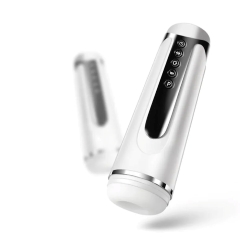
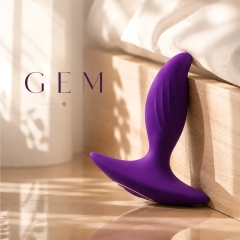
Self-care becomes more effective when paired with physical tools that help you stay consistent. These products are designed to support relaxation, emotional reset, and sensory balance in your daily routine.
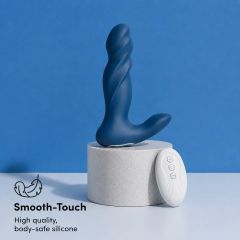
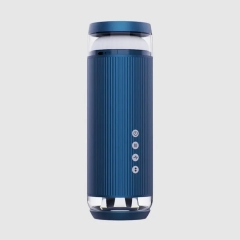
Recommended Self-Care Tools
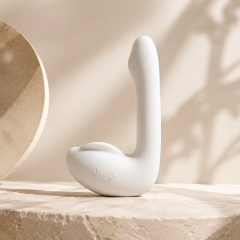
Why Small Daily Habits Matter
Research in behavioral psychology shows that small repeated actions are more effective than occasional large routines. Self-care works best when integrated into existing lifestyle patterns rather than treated as separate tasks.
Consistency > intensity. Small actions compound into long-term well-being.
What Self-Care Really Includes
Modern self-care includes mental health support, stress management, sleep improvement, emotional regulation, and sensory relaxation practices. It is not limited to skincare or wellness routines, but extends to how you manage energy, focus, and intimacy with yourself.
Many people searching for daily self-care tips are also looking for ways to improve relaxation, reduce stress, and build healthier routines that support both body and mind.
Frequently Asked Questions
What is the easiest self-care habit to start with?
Start with 5 minutes of quiet time in the morning without screens or distractions.
Do I need products for self-care?
Not really, but tools can enhance comfort, relaxation, and consistency in your routine.
How long should a daily self-care routine be?
Even 10–20 minutes spread throughout the day is effective if done consistently.
What is the best time for self-care?
Morning and evening are the best, but micro-breaks during the day also help