A bedroom can look beautiful and still feel impossible to relax in.
The overhead light is too bright. A laptop waits on the chair. Notifications keep lighting up beside the pillow. The sheets feel wrong against your skin. Every sound from the next room reminds you that privacy is temporary.
The best sensory bedroom ideas reduce visual demands, soften environmental input, and give you more control over light, sound, touch, and privacy. The room does not have to look like a hotel suite or a styled photoshoot. It should feel like a space where no one needs anything from you.

Start With Privacy, Not Decoration
Safety is hard to feel when interruption is still possible.
Before you buy candles or new bedding, take an honest look at the practical boundaries of the room:
- Does the door close securely?
- Can people see through the curtains after dark?
- Do footsteps and conversations travel through the doorway?
- Does your phone remain within reach of the bed?
- Are work materials visible from the pillow?
- Do personal items have a private storage location?
A lock, a lined curtain, or a simple door sweep often does more for relaxation than another decorative object.
Full soundproofing usually needs construction. Soft furnishings can cut echoes. Weatherstripping and door sweeps can reduce some of the sound that travels through gaps. They won't make voices disappear.
Think of privacy as layers, not one perfect barrier.
Privacy also includes emotional boundaries. If you share the room, the guide to communicating your needs without pretending offers language for discussing interruption, alone time and comfort.
The Minimalist Sensory Bedroom Framework
A calming bedroom does not need more objects. It needs fewer competing signals.
Here is a simple framework I keep coming back to.
Adjustable brightness
Two warm bedside lamps instead of one bright ceiling light
Comfortable textures
One preferred sheet material and a washable throw
A subtle cue
One fragrance family—or no fragrance
Less echo and interruption
Curtains, rug, door seal and low background sound
Reduced visual decisions
Closed storage and a limited color palette
Control over access
Lock, opaque curtains and phone boundaries
Easy, private access
One organized bedside tray or drawer
Each choice should answer a physical need. If an object only creates more cleaning, charging or visual clutter, it may not belong in the room.
For another way to build a pressure-free private ritual, see Joybloom's guide to sexual self-care.
Choose Warm Light—Then Make It Dimmer
Color temperature is measured in kelvins, written as K. Lower numbers look warmer and more amber; higher numbers look cooler and bluer.
For evening bedroom use, bulbs around 2200K to 2700K create a warm visual atmosphere. A 2700K bulb has the familiar warmth of an old incandescent. 2200K sits closer to candlelight.
Color temperature is only part of the picture. Brightness, timing, and where the light sits relative to your eyes matter just as much.
Current peer-reviewed guidance on indoor light exposure recommends cutting light to the eyes substantially during the evening. The simple version: warmer, dimmer light, kept low in the hours before sleep. Peer-reviewed light exposure recommendations
Three lighting states usually cover a day.
Arrival light
A warm floor or table lamp bright enough to change clothes and put the room in order.
Sensory light
One dim bedside lamp below eye level, ideally bounced off a wall rather than pointed at your face.
Sleep light
Darkness, or the lowest amber night-light you need to move safely.
Use dimmable bulbs when you can. Skip exposed bulbs, cool ceiling panels, and decorative LEDs that stay bright at eye level.
If you want skin tones and fabrics to look their most natural, look for a color rendering index (CRI) of 90 or higher. If the room is part of a bedtime routine, read what research says about orgasm and sleep without treating either as a requirement.
Build a Palette That Does Not Demand Attention
A minimalist bedroom palette works best when it contains one light base, one grounding neutral and one restrained accent.
For example:
Avoid making every object an accent. Your eye needs places where nothing important is happening.
Glossy surfaces, sharp black and white contrast, and highly saturated colors tend to feel energetic. Matte finishes, tonal variation, and natural wood usually give a quieter visual rhythm.
This is not a universal psychological formula. Pick colors that feel familiar and safe to you, rather than following a prescribed calming palette.
Select Bedding by Touch, Not Marketing Language
The best sheet material is the one your skin wants to remain against.
Cotton percale
has a matte, crisp feel and tends to suit people who prefer lighter bedding.
Cotton sateen
feels smoother and denser, with a subtle sheen and a slightly warmer touch.
Washed linen
has visible texture and a relaxed look. It softens with use, though it can feel too rough for very touch-sensitive sleepers.
Lyocell
often feels smooth and fluid. Check the care instructions, fiber source and certification rather than assuming every product described as “bamboo” or “natural” is environmentally preferable.
Before you replace a full bedding set, test the material through a pillowcase. The face and neck tell you quickly whether a texture soothes or distracts.
Layer the bed lightly:
- Fitted sheet
- Breathable top layer
- One washable throw
- Two sleeping pillows
- One purposeful cushion
A bed covered in pillows that must be removed every night creates work rather than restoration. If discomfort with appearance makes it difficult to stay present in the room, the guide to body image and sexual confidence focuses on shifting attention toward sensation.
Treat Scent as an Accent, Not a Treatment
Scent can become a transition cue: the smell that marks the end of work and the beginning of private time.
Choose one quiet fragrance direction:
- Sandalwood and cedar for a dry, grounded atmosphere
- Fig or soft fruit for gentle warmth
- Neroli or bergamot for a lighter profile
- Lavender or chamomile if you already enjoy them
- Fragrance-free air if scent creates headaches or irritation
Essential oils and scented products don't treat anxiety or insomnia. More fragrance is not more therapeutic.
The U.S. Environmental Protection Agency notes that household products can emit volatile organic compounds and that the effects depend on the specific chemical, the exposure level, and the duration. Ventilation and moderate use make sense, especially if you have asthma, migraines, or fragrance sensitivity. U.S. EPA
If you use a diffuser, run it for a limited time and follow its instructions. Stop if the scent causes coughing, headache, nausea, or irritation. Read product-specific safety notes if children, pets, pregnancy, or respiratory conditions are part of the picture.
Open flames are not necessary for atmosphere. The National Fire Protection Association recommends flameless candles and advises against using burning candles in bedrooms or sleeping areas. NFPA
A dim amber lamp is safer and gives you more control over the effect.
Soften Sound Without Filling the Room
A calm bedroom doesn't have to be silent. It has to be predictable.
Start with the physical side of sound:
- Seal visible gaps around the door
- Add lined curtains
- Place a rug on hard flooring
- Use an upholstered headboard or fabric wall panel
- Move vibrating phones and speakers away from shared walls
- Tighten furniture that rattles
Soft surfaces mainly reduce the sound bouncing around inside the room. Door seals and heavier construction address sound traveling in from outside.
If a soft background sound helps with privacy, place a fan or a low-volume white, brown, or pink noise source closer to the door than to your pillow. Keep the volume low enough that it masks occasional sounds without becoming one more thing your brain has to process.
If appliance or product noise is part of the privacy question, see how quiet vibrators are tested.
Remove Work From the Bed’s Field of View
A closed laptop is still a visual reminder of unfinished work.
Move work devices, documents, and chargers out of direct sight from the bed. If the bedroom also has to function as an office, use a closed cabinet, a folding screen, or a fabric cover to create a visible end to the workday.
Set up a phone station away from the mattress. Charge the device on a dresser or a shelf where it isn't within arm's reach.
The goal is to remove the objects that silently ask for a response.
If work pressure is also affecting desire, Joybloom's guide to stress and low libido offers a related transition routine.
Create a Private Sensory Drawer
Intimate wellness items should be as thoughtfully organized as skincare or sleep accessories.
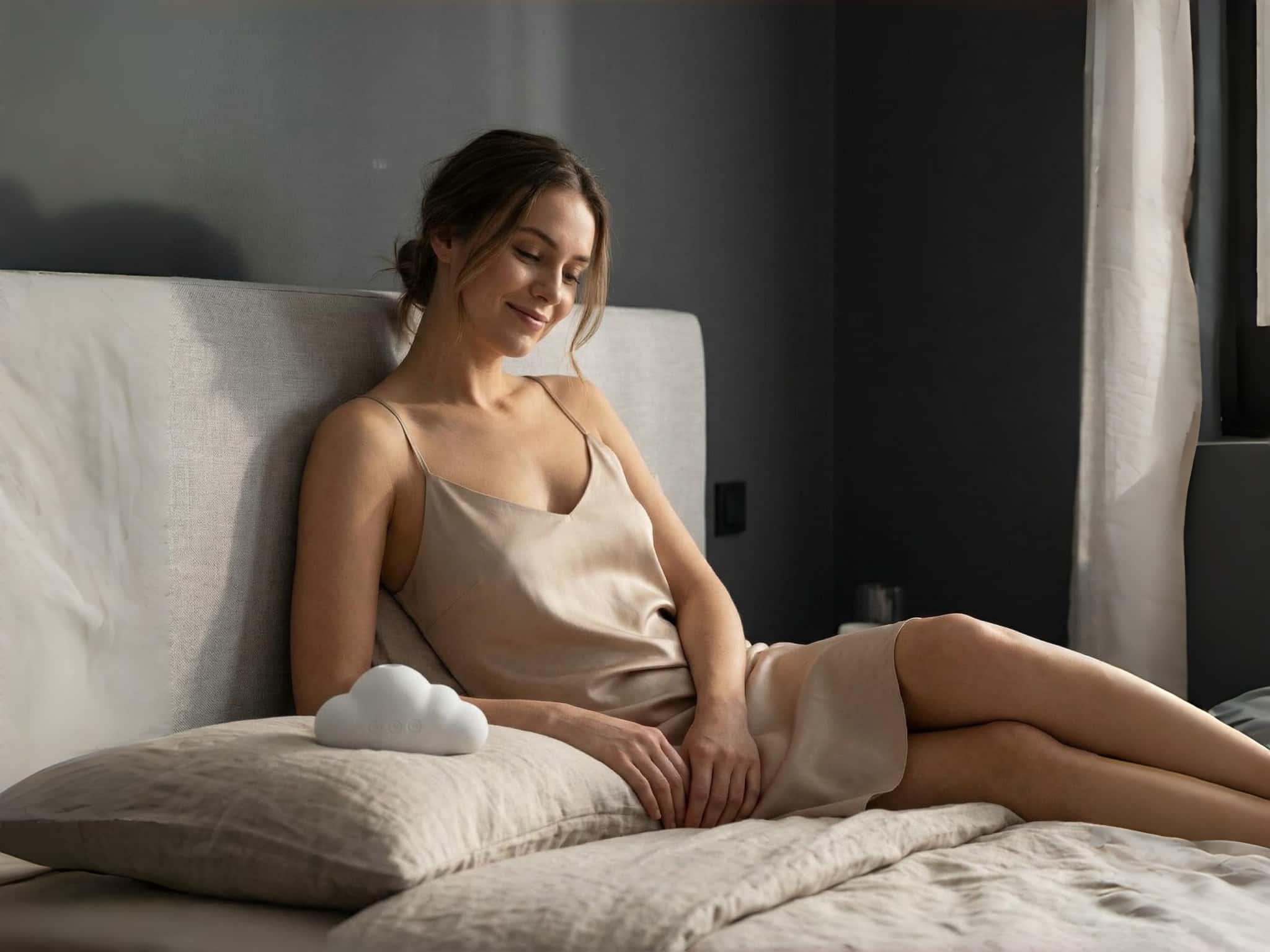
A simple bedside drawer may contain:
- Water-based lubricant
- A clean cloth or small towel
- Unscented cleaning supplies appropriate for intimate products
- A washable storage pouch
- Charging cable
- One or two products you understand and enjoy
Clean each item according to its instructions, let it dry fully, and store pieces separately so materials don't stay pressed against each other. Keep charging equipment away from water. The complete guide to cleaning and storing sex toys covers material separation and drying.
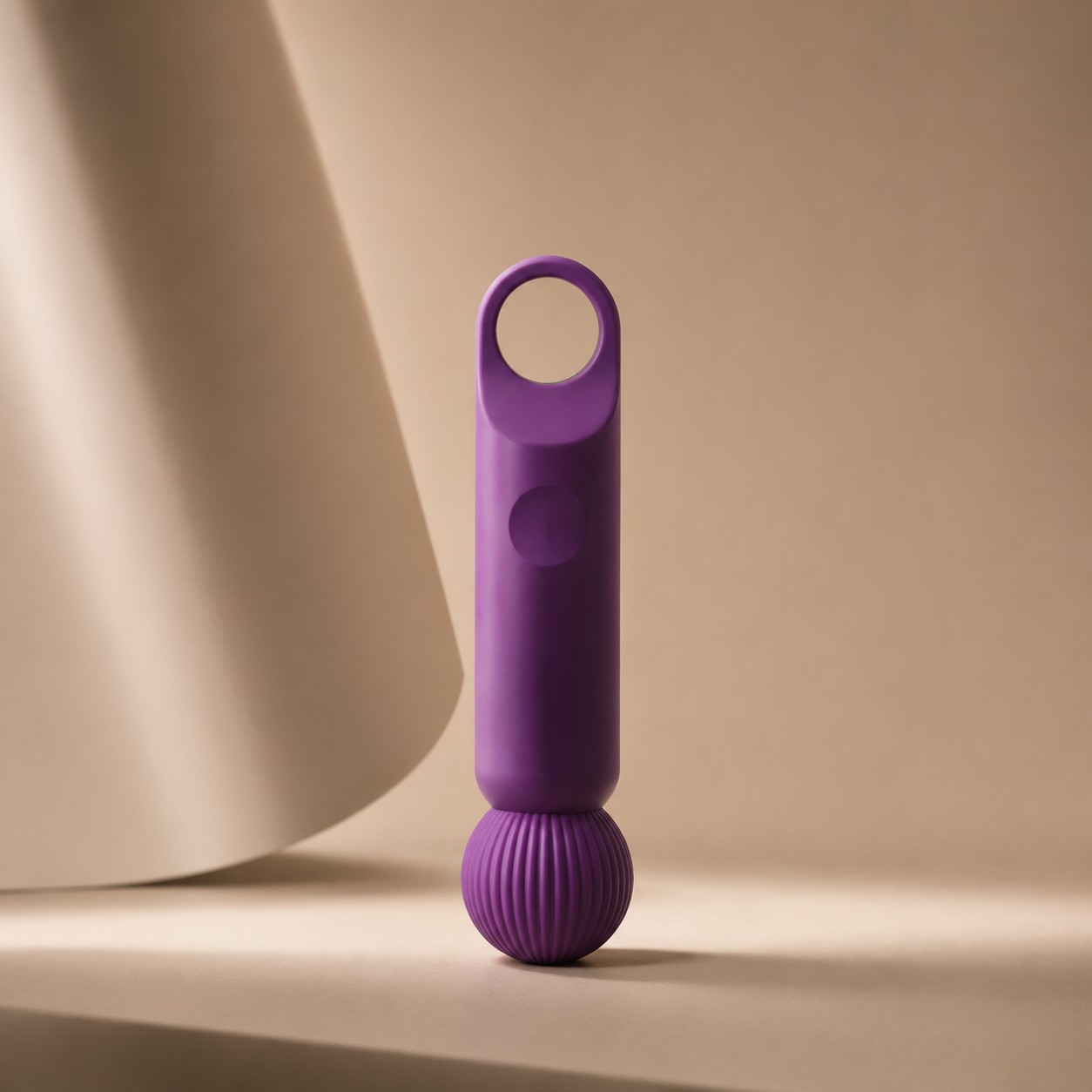
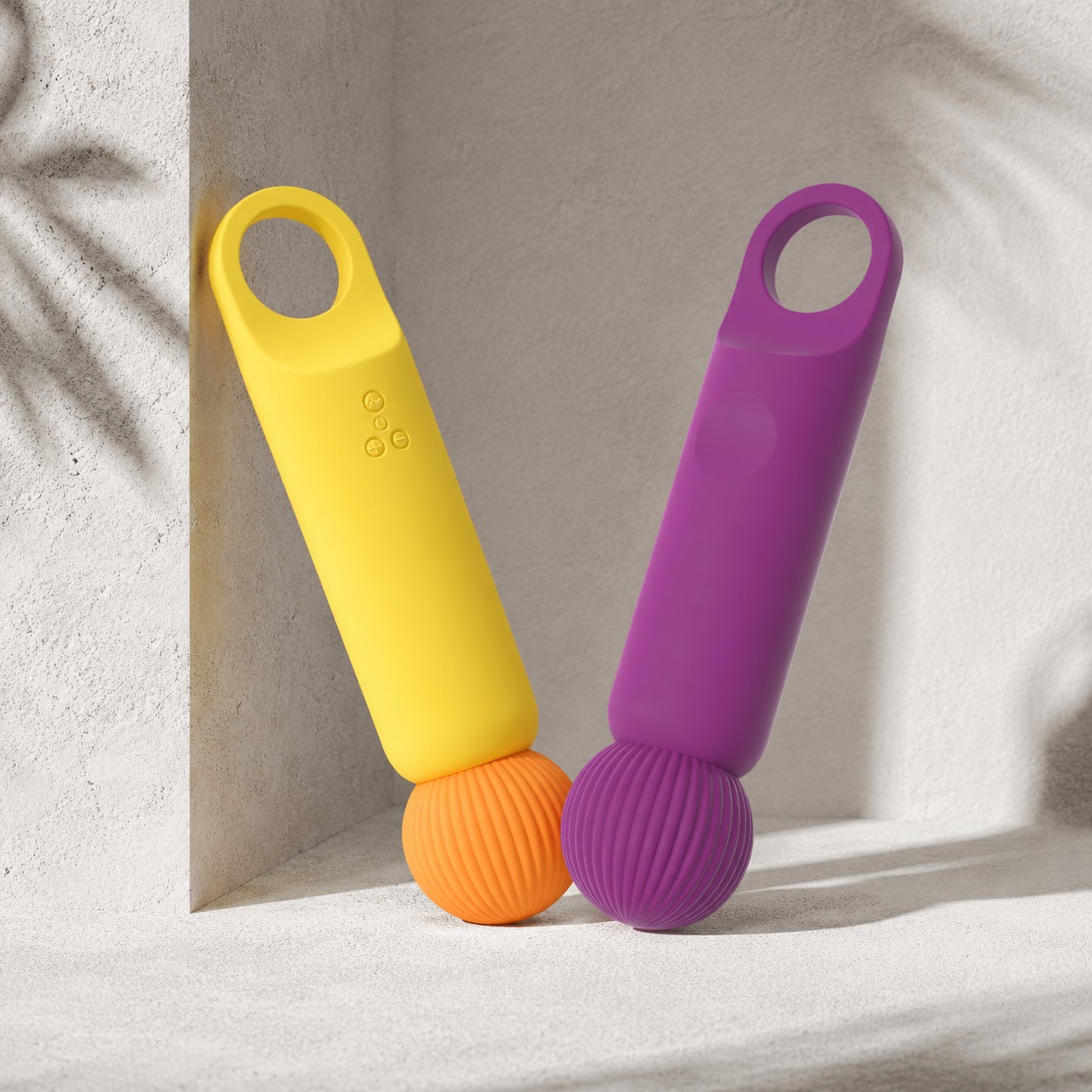
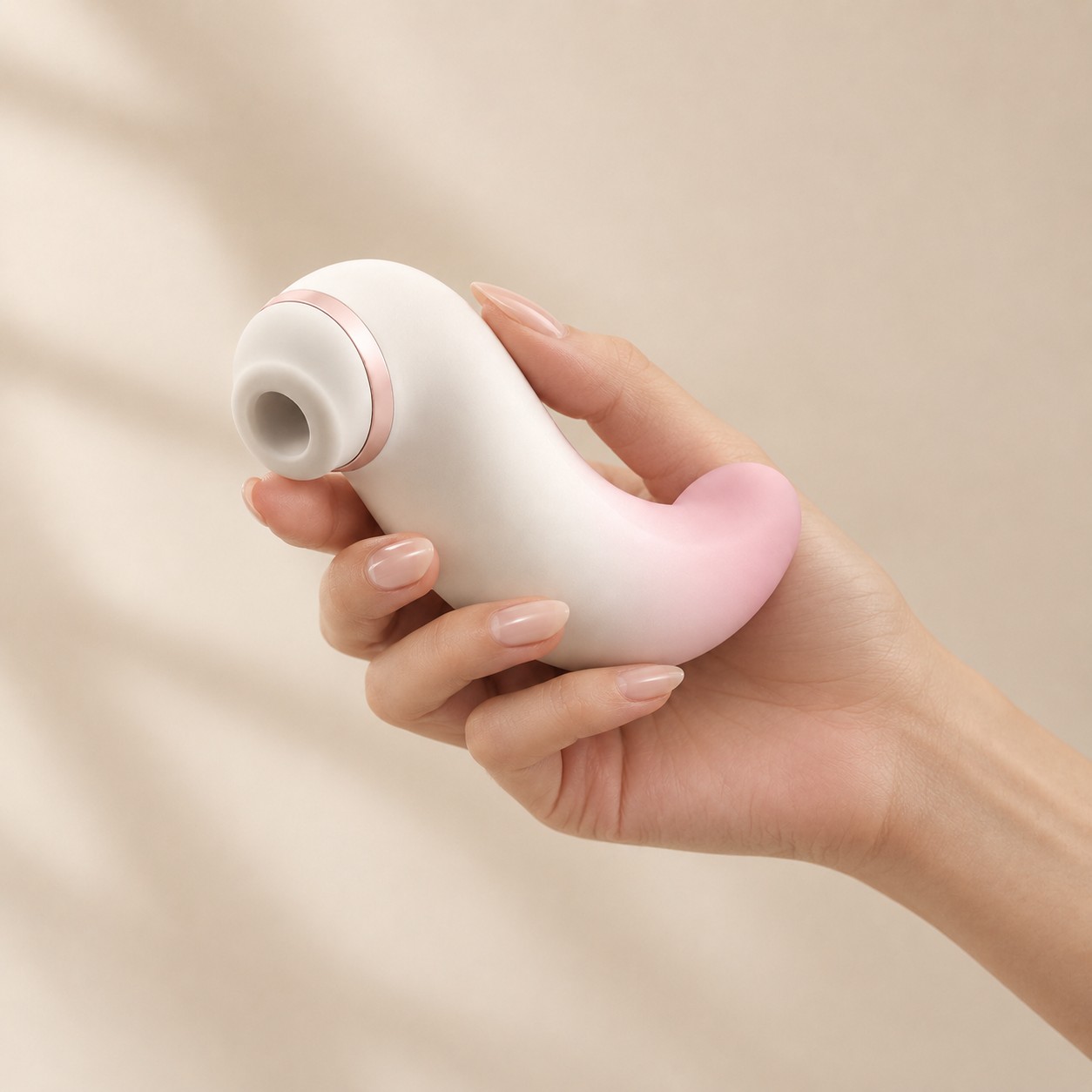
If you prefer an object that doesn't visually announce what it is, The Joybloom Aura: Natural Cloud uses a sculptural cloud-shaped design that can sit discreetly among other personal objects.
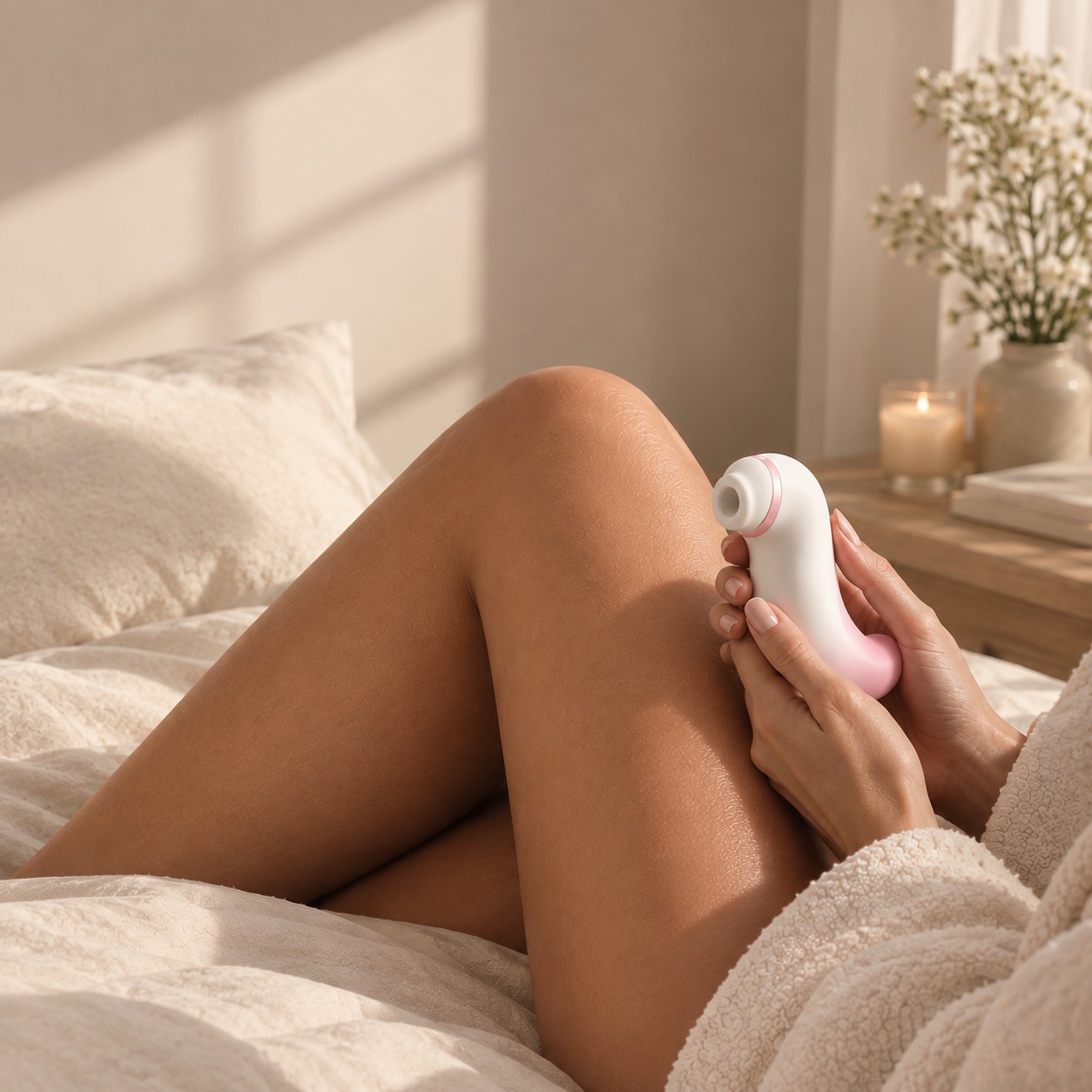
Aura offers several levels of external pulse and vibration, but the room should not put any pressure on you to use it. It can simply live in the drawer until curiosity shows up. Start at the lowest comfortable setting, and stop if the sensation becomes painful or leaves any area numb. It is an intimate-wellness product, not a sleep device or a treatment for anxiety.
Before pairing a lubricant with any product, use the Lube Compatibility Checker. If you are choosing a product for the first time, the First Sex Toy Guide compares common formats without making an outcome promise.
Design a 15-Minute Arrival Ritual
A sensory bedroom works best when the room and the routine support each other.
Close the curtains, place the phone at its station and turn off the overhead light.
Change into clothes that feel good against your skin. Open a window briefly if the air outside allows, then choose silence, low music, or a soft background sound.
Sit or lie down without immediately choosing an activity. Notice the light, temperature and texture of the bed. Decide whether you want to read, stretch, use an intimate product or simply rest.
The room offers possibilities. It should never dictate an outcome.
Change the Space in the Right Order
If the budget is limited, prioritize changes by their effect on daily comfort:
- Remove work and unnecessary visual clutter.
- Replace harsh overhead lighting with a dimmable warm lamp.
- Improve curtains, the door seal and practical privacy.
- Upgrade the sheet or pillowcase that touches the skin most.
- Add one sound or scent cue only if it improves the experience.
Do not purchase an entire aesthetic at once. Live with each change long enough to notice whether your body actually responds to it.
Frequently Asked Questions
What color temperature is best for a relaxing bedroom?
Warm bulbs around 2200K to 2700K suit many evening bedrooms. Brightness and placement also matter, so use dim, indirect light rather than relying on color temperature alone.
Which bedding material is best?
There is no universal best material. Percale feels crisp, sateen smooth, linen textured and lyocell fluid. Test a pillowcase before investing in a complete set.
Are essential oils necessary for a sensory bedroom?
No. A fragrance-free room may feel safer and more comfortable, particularly for people with asthma, migraines, allergies or scent sensitivity.
How can I improve privacy without renovating?
Use opaque curtains, a door sweep, weatherstripping, a lock where appropriate, closed storage and low background sound. These measures can improve privacy but do not provide professional soundproofing.
Should pleasure products remain visible?
Only if that feels comfortable and private. Sculptural products may blend into the room, while a lined drawer or washable pouch provides greater discretion.
Does a calming bedroom treat anxiety or insomnia?
No. Environmental changes may support relaxation, but they don't replace professional care for persistent anxiety, trauma or sleep disorders.
The Takeaway
A sensory bedroom is not a collection of beige objects, expensive sheets and scented candles.
It is a system of boundaries.
The door closes. The light softens. Work leaves your field of view. The fabric feels right against your skin. Personal objects are available without being displayed for anyone else.
The most luxurious part of the room is not what it contains.It is the certainty that, for a while, the space belongs entirely to you.