Most people have heard the clitoris described in three letters, with a vague sense that it is small, sensitive and often misunderstood. Anatomy is one way to close that gap.
I used to think of the clitoris as a small external thing. The deeper I read, the more I realized the diagram most of us saw in school is missing most of the organ.
This article is a working map of the clitoris, including what sits above the surface, what extends inside the body and why so much of the conversation around it still misses the point. It is written for adults who want clearer information, not a clinical lecture.
Vulva and Vagina Are Not the Same Thing
Language shapes how people describe their own bodies, especially when something feels wrong or different.
The Vulva
The vulva is the external genital structure. It includes the mons pubis, the labia, the clitoral hood, the glans, the urethral opening, the vaginal opening and the perineum.
The Vagina
The vagina is the internal muscular canal that connects the uterus to the outside of the body. They are related, but they are not the same anatomical structure.
The American College of Obstetricians and Gynecologists explains that the clitoris is located near the top of the vulva, while much of the organ extends deeper inside the body. [ACOG]
Using anatomically correct language is not about being overly clinical. It helps people describe the exact location of pleasure, pain, irritation or other symptoms more clearly.

The Clitoris Is a Network, Not a Button
When people say “the clitoris,” they are often referring to the glans clitoris—the small visible portion beneath or near the clitoral hood. But the complete organ extends much further. The clitoris includes several connected structures.
The Glans
The glans is the visible part of the clitoris. It contains a dense concentration of sensory nerves, which is why direct stimulation can feel intense for some people.
For others, direct touch may feel overwhelming. There is no universal right way to experience sensation. Some people prefer indirect stimulation through the clitoral hood or surrounding areas.
The Clitoral Hood
The clitoral hood, also called the prepuce, covers and protects the glans. It forms where the labia minora meet. The amount of coverage varies naturally from person to person.
More or less coverage does not determine attractiveness, health, or sexual response. Bodies are not designed from one template.
The Body
Behind the glans, the clitoral body extends internally before dividing into two branches.
Like other erectile tissues, it can become engorged with blood during arousal. This means arousal involves changes beneath the surface, even when those changes are not visible.
The Crura
The crura are two internal branches that extend backward along the pubic bones. Together, they form a larger internal structure that connects with the visible part of the clitoris.
The Vestibular Bulbs
The vestibular bulbs are paired areas of erectile tissue located near the sides of the vaginal opening. During arousal, they fill with blood and expand.
Medical terminology differs on whether they should be described as parts of the clitoris or as closely associated structures within the broader bulboclitoral complex. What matters for general education is that they are internal erectile tissues positioned close to the vaginal canal and clitoral structures.
A 2024 meta-analysis found substantial variation in the measurements of the glans, body, crura, bulbs and clitoral hood. There is no single “correct” clitoral size or shape. [Clinical Anatomy]

Does the Clitoris Really Have 8,000 Nerve Endings?
You may have heard the statement that the clitoris has exactly 8,000 nerve endings. It is a number that has been repeated widely, but the reality is more nuanced. A 2023 study examined samples of the dorsal nerves of the clitoris and estimated an average of approximately 10,281 myelinated nerve fibers supplying the glans. However, nerve fibers are not the same thing as individual nerve endings.
The study was based on five analyzable nerve samples, and researchers noted that other types of nerve contributions were not included. [The Journal of Sexual Medicine]
The takeaway is that the clitoris has a highly developed sensory network, and researchers are still learning more about its complexity. Accuracy matters because exaggerated facts can weaken otherwise valuable sexual health education.
Pleasure Is Created by the Brain and Body Together
Knowing clitoris anatomy can help you understand where sensations come from.
Touch sends signals through the nervous system, but the brain interprets those signals based on many factors, including:
- Safety and privacy
- Stress levels
- Attention
- Hormonal changes
- Previous experiences
- Relationship dynamics
- Medication
- Pain or physical discomfort
The same type of touch may feel different from one day to another. That is normal.
More intensity does not automatically mean more pleasure. For some people, stronger pressure or vibration can feel overwhelming rather than enjoyable.
Pleasure is not about finding a universal technique. It is about learning how your own body responds.

Is the G-Spot a Separate Organ?
The term “G-spot” usually refers to a sensitive area along the front wall of the vagina. Some people experience pleasure from stimulation in this area. Others do not.
Researchers continue to debate whether the G-spot represents a separate anatomical structure or whether the sensation comes from the interaction of several nearby tissues, including the following:
- The urethral sponge
- Internal clitoral structures
- Vestibular bulbs
- Skene’s glands
- The front vaginal wall
The Cleveland Clinic describes this area as a region connected with the urethral sponge rather than a guaranteed pleasure point that exists identically for everyone.
Some people enjoy stimulation in this area. Others feel pressure, an urge to urinate or nothing particularly pleasurable.
All of these responses can be normal.
There Is No “More Mature” Type of Orgasm
For a long time, culture created the idea that orgasm through penetration was somehow more advanced or complete than orgasm through external stimulation. That idea created unnecessary pressure.
Current research supports a much more diverse reality.
In a U.S. probability sample of 1,055 women aged 18 to 94:
18.4%said intercourse alone was sufficient for orgasm
36.6%said clitoral stimulation was necessary during intercourse
Another 36%could orgasm without it but said clitoral stimulation improved the experience
The same research found wide differences in preferred location, pressure, rhythm and movement. [Journal of Sex & Marital Therapy]
The message is simple: There is no single correct way to experience pleasure. An orgasm involving clitoral stimulation is not less meaningful, less intimate, or less complete. Bodies do not follow one script.
How to Create Your Own Pleasure Map
A medical diagram shows where structures are located. Your personal pleasure map shows how your nervous system responds.
Begin with observation rather than performance. A handheld mirror can help you identify the labia, clitoral hood, urethral opening and vaginal opening without judging their appearance. Not because appearance needs to be judged. Simply because knowing your anatomy can make you feel more comfortable with your body.
When exploring sensation, change one variable at a time:
- Location
- Pressure
- Speed
- Rhythm
- Direct or indirect contact
- Continuous or intermittent stimulation
Start around the clitoral hood or labia before applying direct contact to the glans. Use lubricant when friction begins to feel distracting or uncomfortable.
Instead of asking, “Is this supposed to make me orgasm?” ask the following:
- Does this feel calming, neutral or pleasurable?
- Do I want more or less pressure?
- Does steady or changing stimulation feel better?
- Do I prefer a broader sensation or a precise point?
These questions replace performance pressure with useful information.
Using The Joybloom Products as Exploration Tools
A pleasure product should support curiosity. It should not decide what your body is supposed to enjoy.

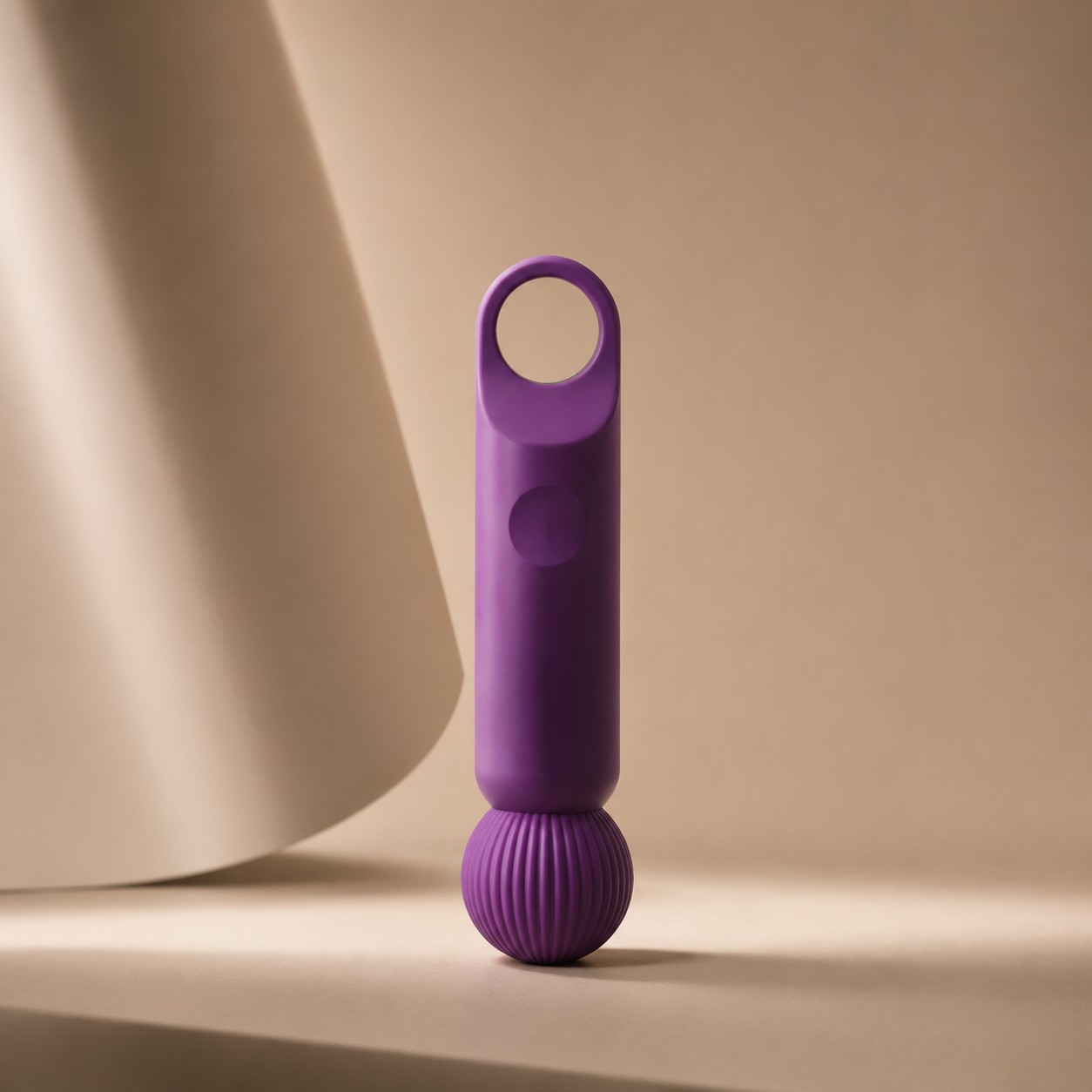
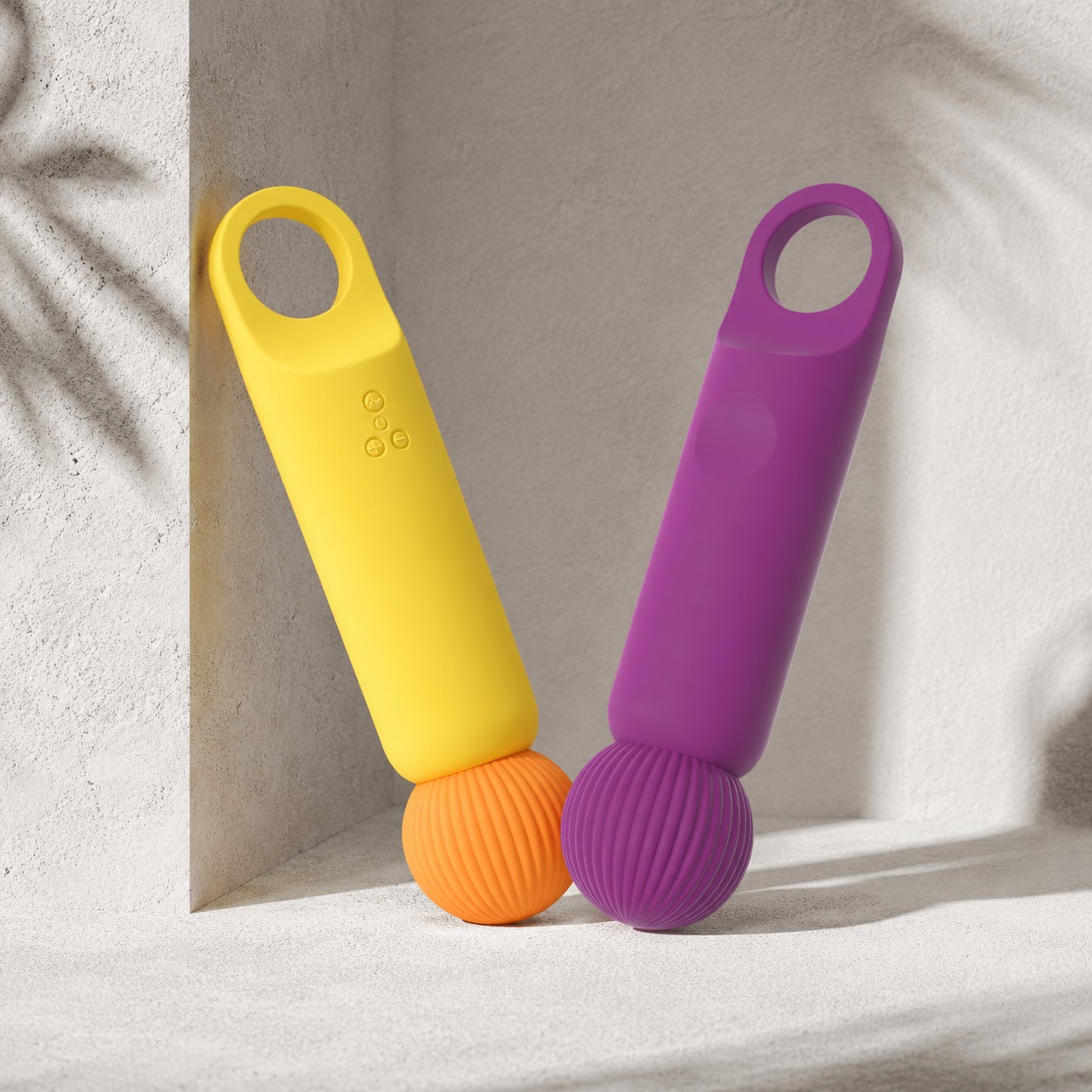
For targeted external exploration, The Joybloom Lola Mini Wand offers ten vibration patterns and one-button control. Its compact head can be positioned around the clitoral hood, labia or other external erogenous zones before trying more direct stimulation.
Start with a comfortable setting. Some people prefer indirect sensation around the clitoral hood or surrounding areas before trying more direct stimulation.
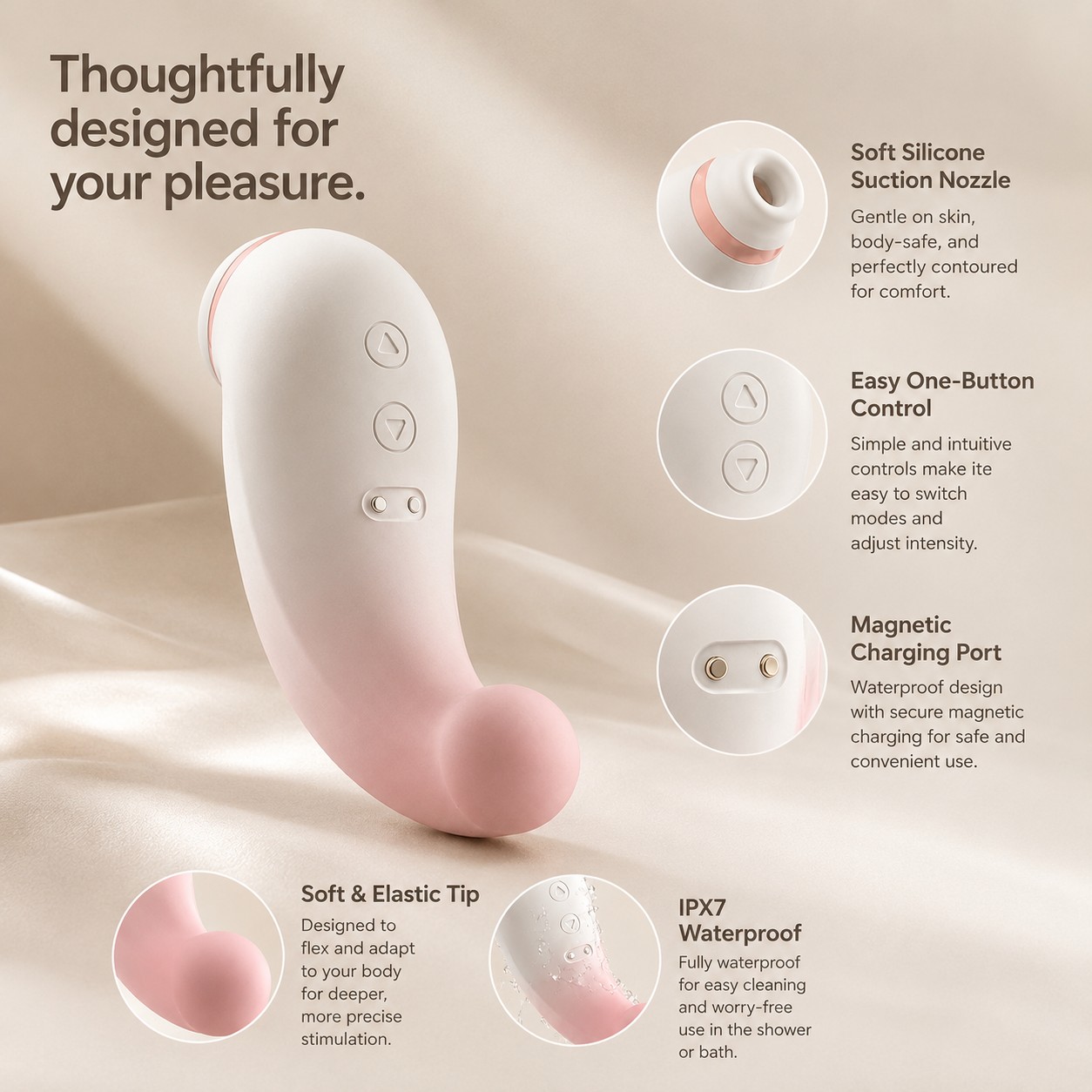
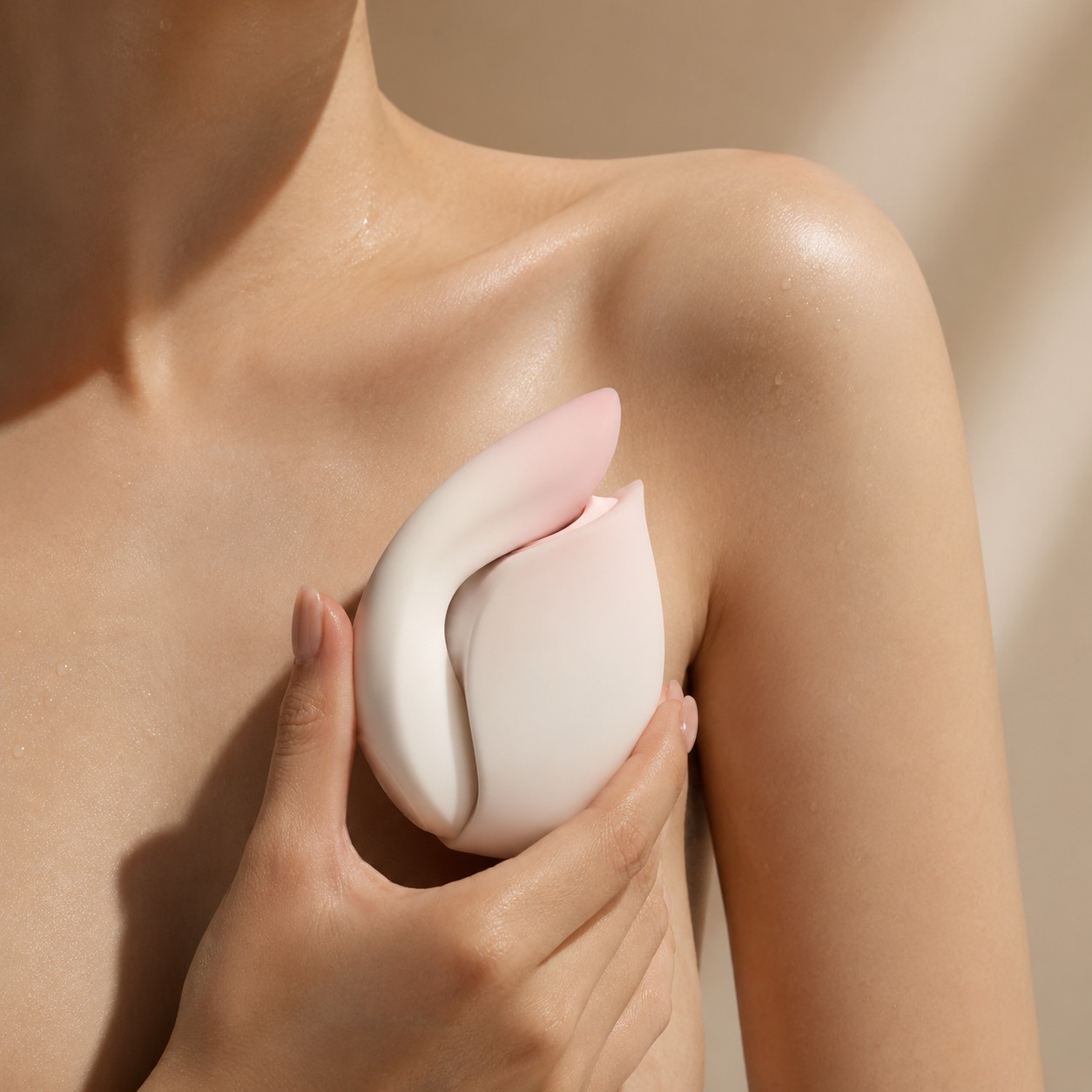
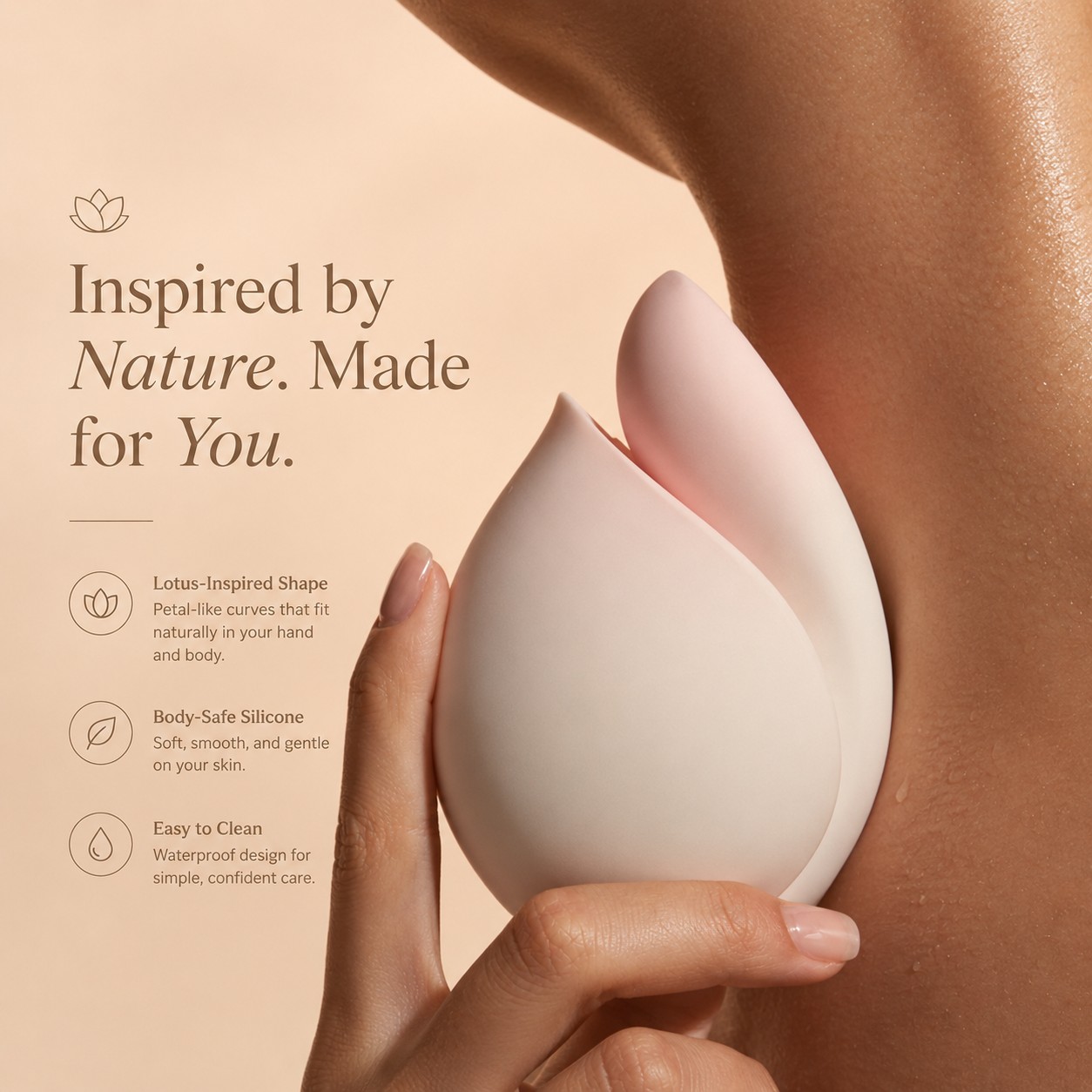
For people curious about a different type of external sensation, The Joybloom Flex combines an air-pulse head with a vibrating tail. The air-pulse side can be used around the external clitoral area, while the vibration function allows exploration of broader external sensations.
The terms “clitoral” and “G-spot” describe intended stimulation areas. They do not guarantee a particular response.
Use water-based lubricant, begin at a low intensity and clean the product according to its instructions. Stop if you experience pain, persistent numbness, bleeding or irritation.
Knowing Your Anatomy Can Improve Communication
“I like clitoral stimulation” is useful.
“I prefer indirect pressure above the hood with a steady rhythm” is more useful.
Anatomical knowledge gives people a vocabulary for communicating with partners without framing feedback as criticism. It also makes it easier to explain symptoms to a healthcare professional.
When to Speak With a Healthcare Professional
Changes in sensation are not always something to ignore. Consider speaking with a gynecologist, sexual medicine clinician, or pelvic floor physical therapist if you experience:
- Persistent clitoral or vulvar pain
- Burning, itching or skin changes
- Pain during penetration
- Unexpected bleeding
- Persistent numbness or loss of sensation
- Difficulty with arousal or orgasm that causes distress
- Involuntary or unwanted genital arousal
Changes in sexual sensation can involve many factors, including hormones, medication, pelvic floor function, circulation, nerve health, or emotional well-being.
Frequently Asked Questions
What is the difference between the clitoris and the vulva?
The clitoris is one part of the vulva. The vulva includes the clitoris, labia, external openings, and surrounding genital tissues.
Is most of the clitoris inside the body?
Yes. The glans is the main visible portion, while the body and crura extend internally. The vestibular bulbs are closely associated erectile structures.
Does every woman enjoy direct clitoral stimulation?
No. Some people enjoy direct stimulation. Others find it too intense or uncomfortable. Some prefer stimulation through the clitoral hood or around the surrounding areas. There is no universal preference.
Can vaginal penetration stimulate the clitoris?
It may stimulate internal clitoral and surrounding tissues indirectly through the vaginal wall, but the sensation and response vary considerably.
Is the G-spot scientifically proven?
A pleasurable anterior vaginal wall region is reported by many people, but researchers continue to debate whether it represents a distinct anatomical organ.
Does vulva appearance affect sexual pleasure?
Appearance alone does not determine sensitivity or sexual response. Labia, hoods and clitoral structures naturally vary in size, shape, color and symmetry.
The Takeaway
The clitoris is not a mysterious button waiting to be figured out.
It is a complex sensory structure connected with anatomy, nerves, blood flow, the brain, and personal experience.
Learning clitoral anatomy can reduce shame, improve communication and make self-exploration more informed. It also reveals a reassuring scientific truth: differences in appearance, sensitivity and preferred stimulation are part of normal human variation.
Your body does not need to match a diagram. The diagram is simply there to help you understand your body.