If you're new to masturbation or just never really figured out what works for you, let's start with the most important thing:
Not one technique, not one speed, not one toy, not one “correct” outcome. Your body is yours, and what feels good for someone else might do absolutely nothing for you. That's totally normal.
A Great Starting Point Is External Touch
Explore around the vulva and clitoral area, change only one thing at a time—location, pressure, rhythm, speed—and let what feels comfortable guide you. No pressure to perform, no goal to hit.
You don't have to start with penetration. You don't have to use a toy. And you definitely don't have to orgasm for the experience to “count.”
The real first goal is just to notice: What feels pleasant? What feels neutral? What feels too intense? What doesn't interest you today?
That information is actually really valuable. It helps you understand your own body, makes future solo exploration easier, and gives you clearer language if you ever want to tell a partner what you like.
Start With Anatomy, Not a Performance Script
Quick anatomy refresher, because a lot of us never got decent sex ed. The vulva is the whole external genital area. It includes the outer and inner labia, the clitoral glans (the little visible nub) and its hood, the urethral opening, and the vaginal opening.
And here's the part that surprises a lot of people: the clitoral glans—the part you can see—is just the tip of the iceberg. Most of the clitoris is internal, wrapping around the vaginal canal.
For a beginner, the practical takeaway is this: sensitivity isn't concentrated in one tiny spot. Some people love direct touch on the clitoral glans. Others prefer touching through the hood, around the sides, on the labia, or a little farther away at first. Direct touch can feel amazing, overwhelming, irritating, or just kind of nothing—depending on the person and the moment.
There's research to back this up, too. A U.S. study of 1,055 adult women found huge variation in preferred genital touch—different locations, pressures, shapes, movements. The study doesn't give you a formula for what's “best.” It actually proves the opposite: what feels good is different for everyone, and figuring out your body is about paying attention, not passing some test. You can read the study summary in the Journal of Sex & Marital Therapy on PubMed.
If you want a deeper dive on the anatomy first, our scientific guide to clitoral anatomy goes into much more detail.
Four Variables to Play With (No Fancy Moves Required)
Forget about memorizing dozens of “techniques” or looking up complicated diagrams. You really only need four variables to work with. They give you everything you need to experiment without guessing what you're “supposed” to like.
Where does touch actually feel welcome?
Inner thigh, mons pubis, labia, around or over the clitoral hood
How much contact feels good right now?
Over clothing, feather-light, gentle, slightly firmer
Does my body want steady or varied?
Still contact, slow circles, side-to-side, pulsing
What is my body asking for?
More, less, different, pause, stop
The golden rule: change only one variable at a time. If you switch position, speed, and pressure all at once, you'll never know which part actually felt better. Small, slow experiments give you the clearest answers.
Set Yourself Up for No Rush
Pick a time when you're pretty sure you won't be interrupted. Ten unhurried minutes can be way more useful than an hour spent checking the clock.
Wash your hands and make sure your nails are smooth—snags suck. Keep lube within reach if you think you might want it. You can keep your underwear on at first, lie under a blanket, sit up, prop yourself up with pillows—whatever position lets your shoulders and legs actually relax.
And don't worry if you're not “already turned on” when you start. You don't have to be. If beginning with non-genital touch feels easier, do that—your neck, chest, stomach, hips, inner thighs. Just notice whether your body wants lighter contact, firmer pressure, more warmth, or no touch at all. The broader guide to sexual self-care offers another low-pressure starting ritual.
Start With External Touch First
External exploration is usually easiest for beginners because it's simple to adjust and easy to stop. Start around the most sensitive area—not directly on it.
Some things to try:
- resting your palm over the vulva without moving at all;
- tracing slowly along the outer labia through your underwear;
- moving a fingertip in slow circles around the clitoral hood;
- using small circles above or to the side of the clitoral glans;
- applying gentle pressure, releasing, and noticing how that feels;
- holding the skin around the vulva steady while your other hand explores.
These are just ideas, not a checklist you have to work through. Stay with one thing long enough to really feel it, then decide if you want more, less, or something different.
Direct clitoral touch can feel really intense, especially before arousal builds. If it feels sharp, irritating, or like too much, move above the hood, widen your circles, touch through fabric, lighten the pressure, or just pause. More intensity isn't automatically better. Sometimes less is way more.
Play With Pressure
Pressure isn't one setting—it's a whole range. And what feels right can change from minute to minute, let alone day to day.
Try this quick “pressure ladder” exercise:
Pressure doesn't only come from your fingertip, either. You can use a flat palm, several fingers, pressed-together thighs, or contact through underwear. Broader contact usually feels less intense; a smaller point of contact feels more focused.
Your preference might shift as you get more aroused. Something that felt too strong at the start might feel perfect later. Or it might never feel good. Both are totally normal. There's no right answer here.
Find a Rhythm You Can Actually Follow
A lot of beginners switch techniques really fast. Like, really fast. Because they're searching for some immediate proof that something is “working.” But bodies take time to register a repeated sensation. Jumping around every two seconds means you never give anything a chance to land.
Pick one comfortable motion and stick with it for several slow breaths. Try slow circles, side-to-side strokes, up-and-down movement, pulsing pressure, or just still contact. Then check in with yourself:
- Is the feeling getting clearer, fading, or staying neutral?
- Do I want this same movement slower or faster?
- Does consistency feel better, or do I want to mix it up?
Steady doesn't equal boring. For a lot of people, predictability makes it easier to relax into sensation. Other people prefer gradual changes. Follow what your body is telling you, not what you think you “should” be doing.
Use Lube When Friction Gets Distracting
Lube cuts down on friction and makes everything more comfortable. That's it. It's not a sign that something is “wrong” with your body. Plenty of people use lube all the time, and that's totally normal and healthy.
Planned Parenthood's masturbation guidance recommends lube for comfort and also notes the importance of washing hands and cleaning toys properly.
Start with a small amount and add more if you need it. If you're using a toy, check both the toy and lube instructions for compatibility; water-based lube is usually the most versatile option for silicone toys, but always follow the specific product guidance. Joybloom's Lube Compatibility Checker can help you review a pairing.
Stop immediately if you notice burning, pain, or irritation. If symptoms stick around, talk to a doctor instead of pushing through it.
Let Your Body Set the Direction
Your body's signals can be really subtle. “Feedback” isn't just fireworks and big feelings. It can be warmth, increased sensitivity, deeper breathing, muscle tension, a quiet desire for more, a quiet desire for less, boredom, or even no noticeable change at all.
I like to use a simple five-option check-in:
- More Keep going the same way, or turn it up slightly.
- Less Ease up on pressure, speed, or intensity.
- Different Change just one variable and see how it feels.
- Pause Stop moving and just notice what's still there.
- Done End the session. No justification needed.
This is so much more useful than asking yourself, “Am I close yet?” Orgasm is one possible outcome. It's not the only measure of whether you learned something about your body.
Wait—Do I Even Need to Try Penetration?
No. Absolutely not.
External-only masturbation is complete on its own. Penetration is totally optional. It's not a “more advanced” version. It's not more “real.” It's just one more thing some people enjoy and some people don't.
If you are curious
Wait until your body feels genuinely ready, use lube, move slowly, and don't treat depth like it matters. A finger or purpose-designed insertable toy should only go as far as feels comfortable. Stop immediately if there's pain, resistance, bleeding, or distress.
And one more safety reminder: never insert objects that are sharp, breakable, hard to clean, or likely to get stuck. For any toy, always follow its intended-use and cleaning instructions. The article on DIY sex-toy safety explains why household substitutes can introduce avoidable risks.
Adding a Vibrator (Without Losing Touch With Your Body)
A vibrator can add a steady, consistent sensation that's hard to replicate by hand. But it shouldn't replace paying attention to what your body is telling you. Start at the lowest comfortable setting, and begin beside, above, or through fabric if direct contact feels too intense. Move the toy around. Don't just assume it belongs on one exact spot.
The question worth asking isn't “Which toy guarantees an orgasm?” It's “Which type of sensation is easiest for me to control and learn from?”
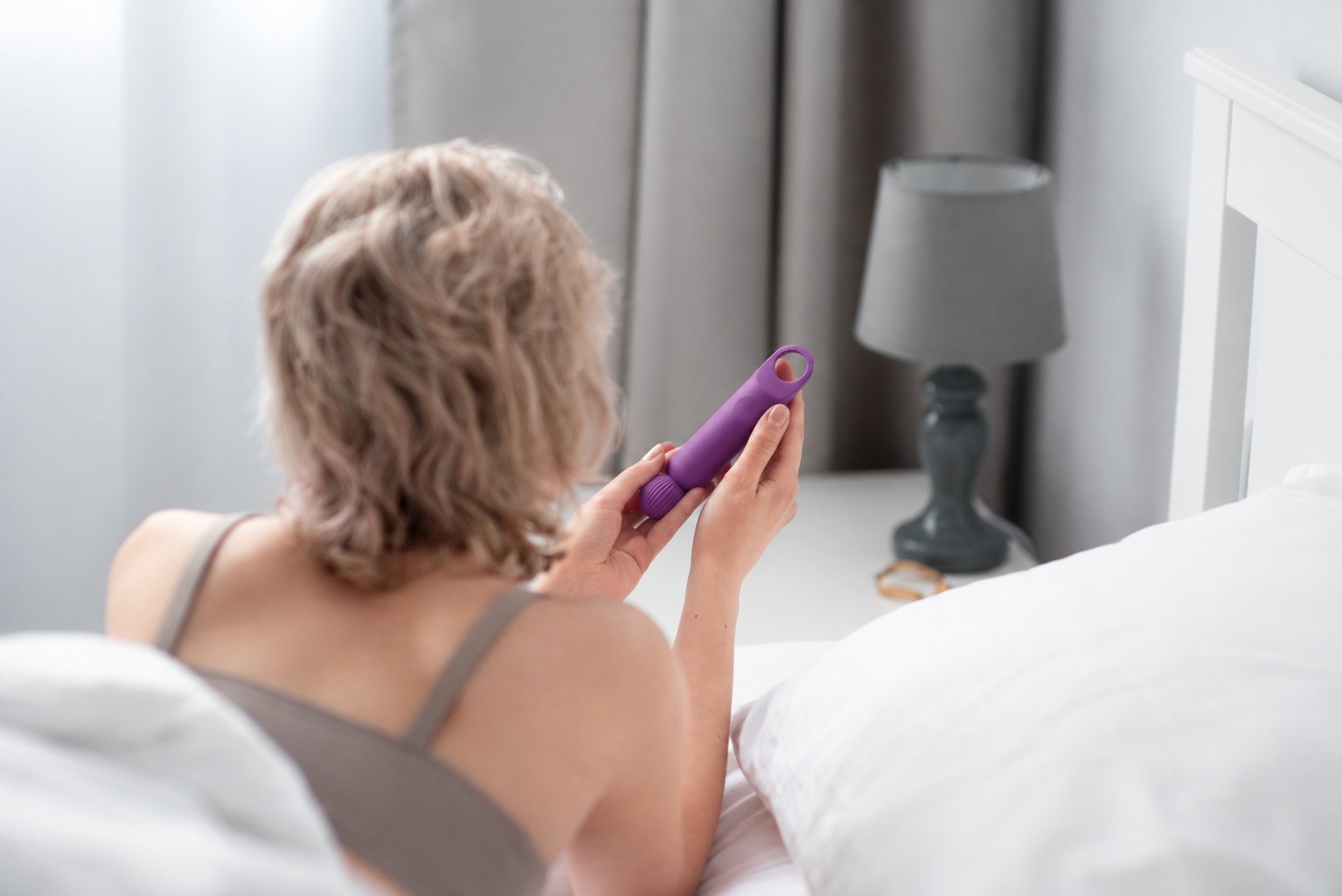
Lola
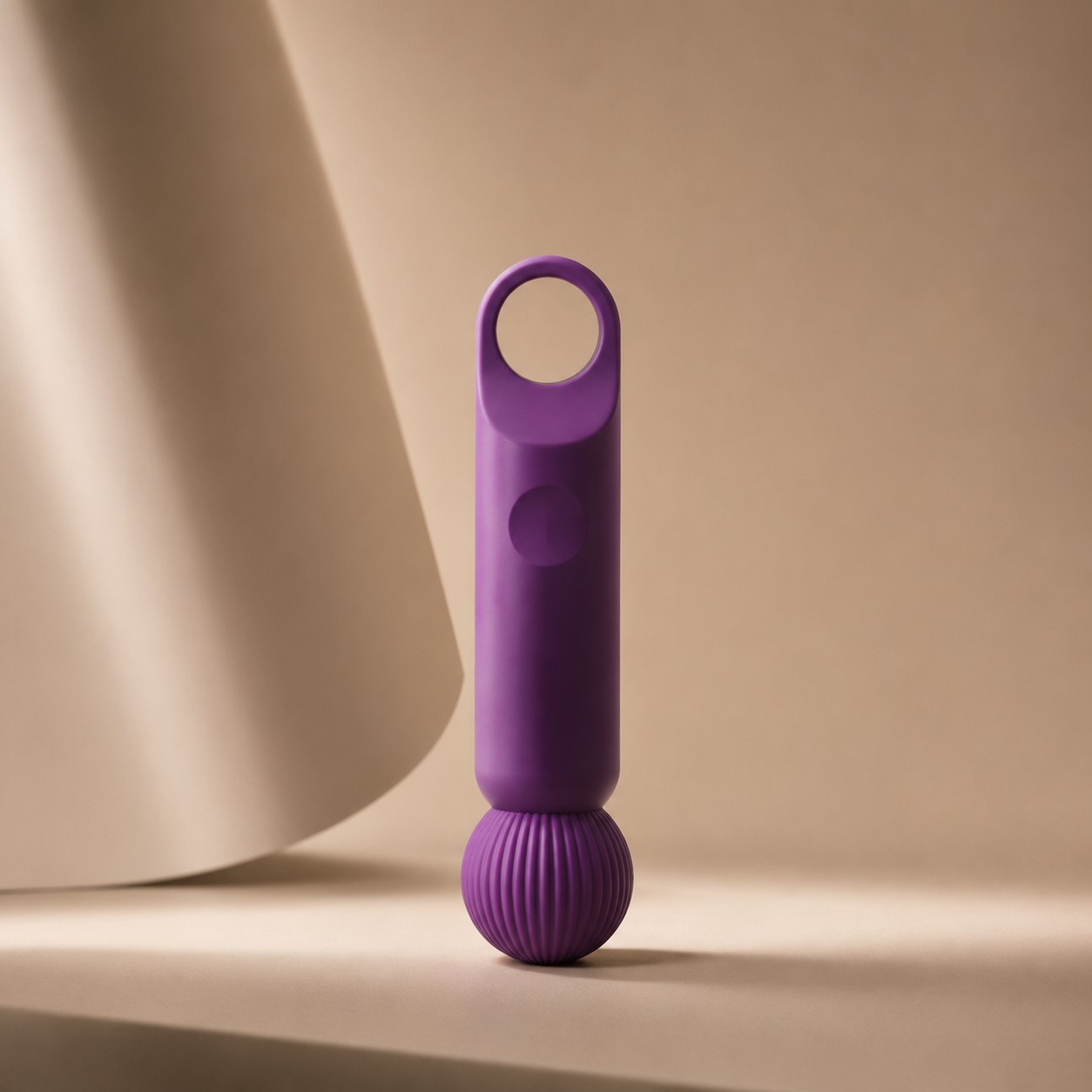
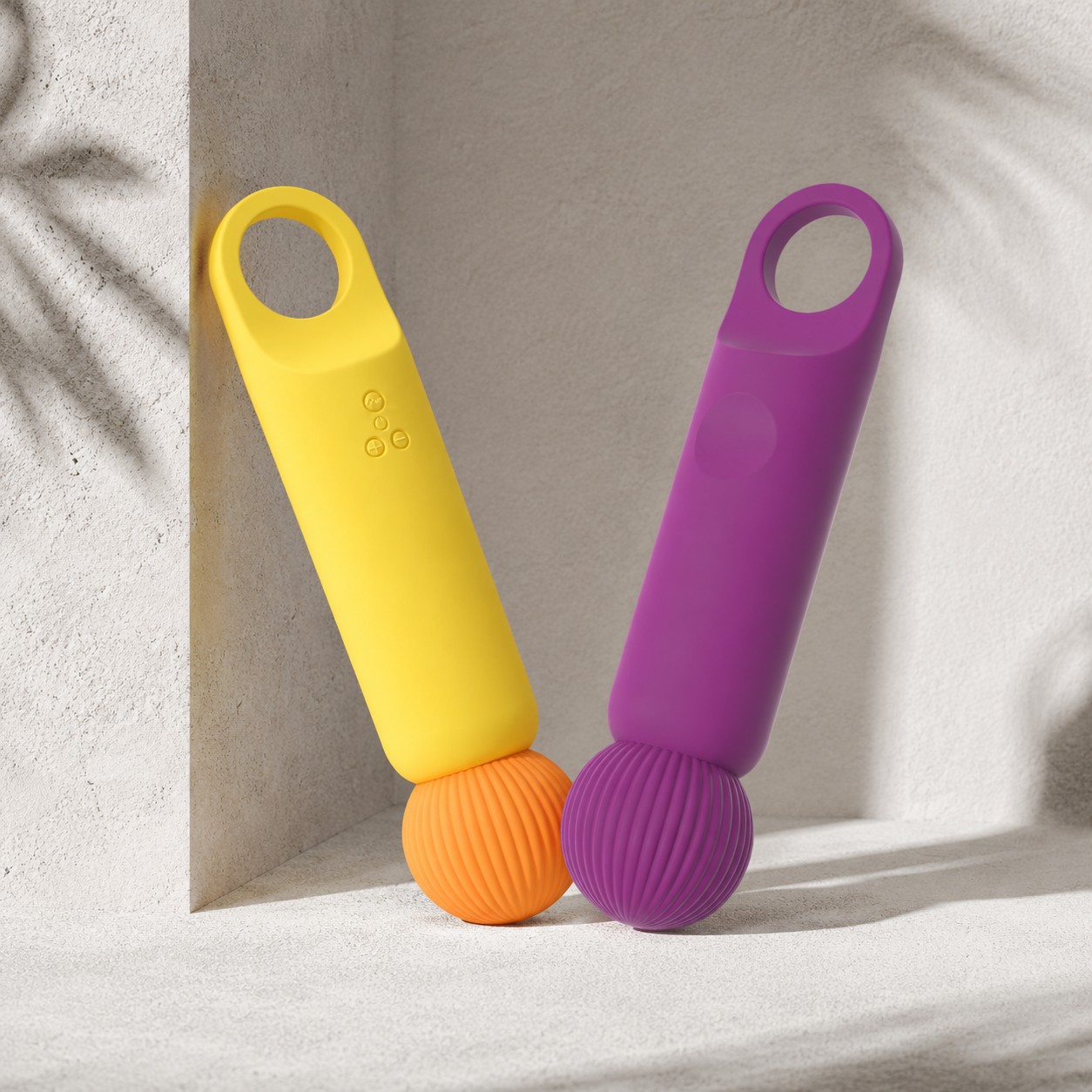
Lola is a compact vibrator with a single button and ten patterns according to its product page. Its small shape is easy to move around the vulva or clitoral area, which fits really well with the place–pressure–rhythm approach we talked about. The one-button design is simple, though cycling through patterns can be a little annoying if you want to quickly get back to a previous setting.

Aura
Aura is an external clitoral toy with air-pressure pulses, vibration, and a microcurrent mode. You can try each mode separately before combining them. It offers more kinds of sensation than a basic vibrator, which is fun if you're curious—but it also means more variables to juggle, especially on a first go. Start with one mode at the lowest comfortable level.

Flex
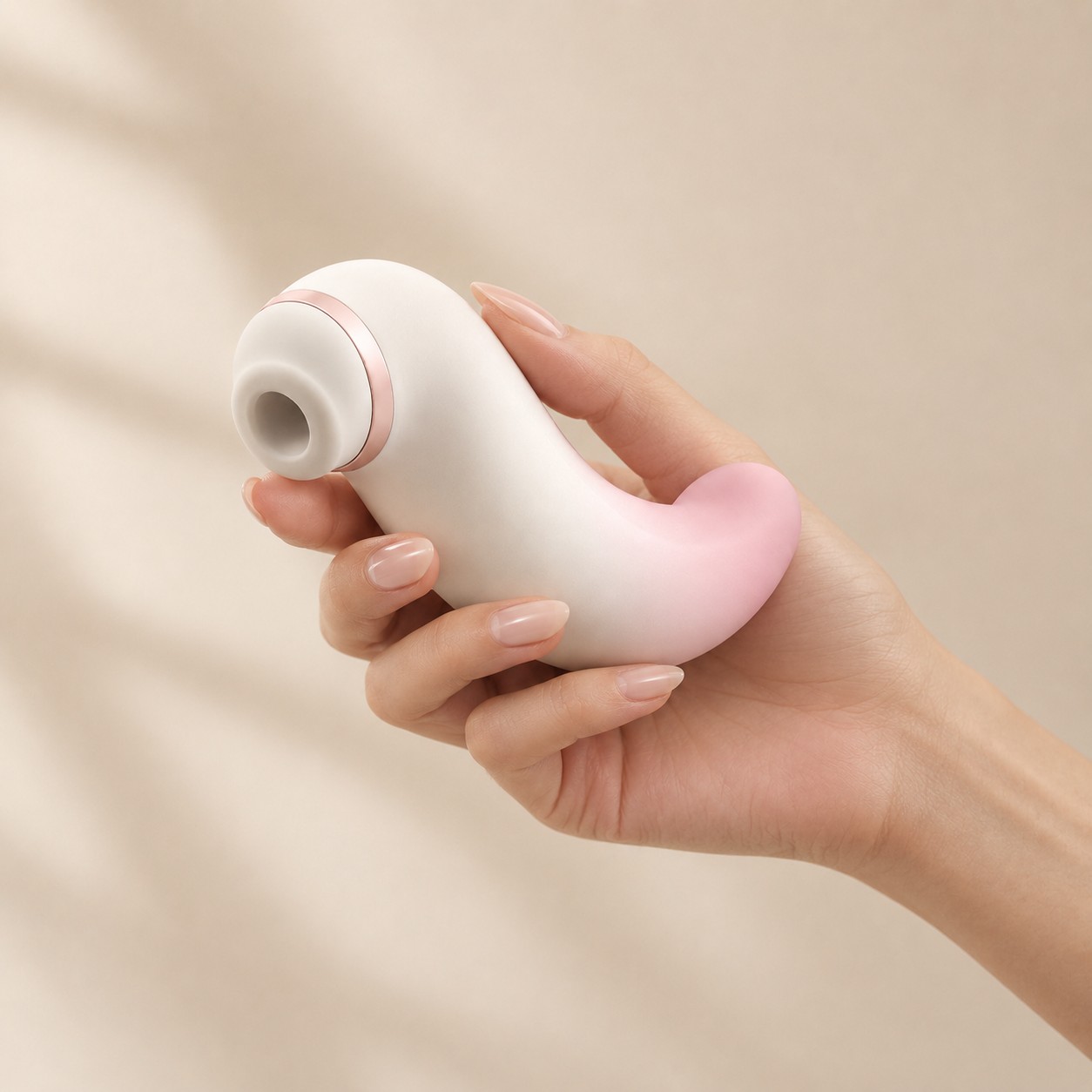
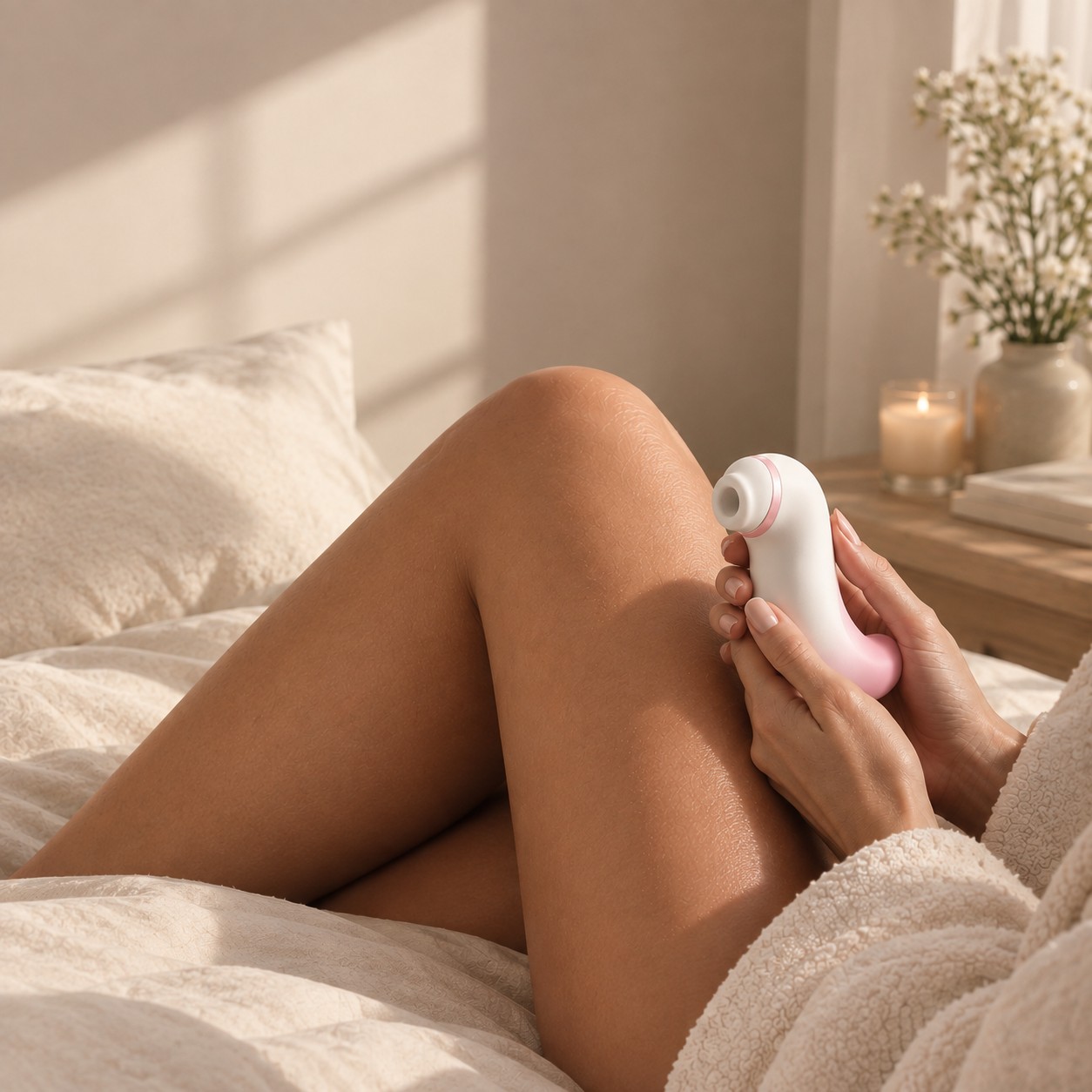
Flex combines an air-pulse opening for the clitoral area with a vibrating tail that works for internal or other sensitive-area stimulation. If you're a beginner, you can stick with the external air-pulse function and leave insertion for another time—or never try it at all. The product page lists ten vibration patterns and ten air-pulse levels, so changing one mode at a time really matters here.
These aren't ranked, and none of them can promise you a specific response. If you're not sure what category feels right, the beginner sex toy collection compares external, focused, insertable, and blended options by sensation and control so you can get a sense before buying. You can also start with the First Sex Toy Guide or the interactive match quiz.
Common Beginner Struggles (and What to Try)
“I literally can't tell what feels good.”
Cut the variables way down. Keep your hand still, use super gentle contact, and just notice whether you want to move closer or farther away. Neutral is still data. And it's totally fine to try again another day if you're tired, distracted, or just not in the mood.
“Direct clitoral touch is way too intense.”
Touch through underwear, work around the hood, use broader contact, turn the vibrator way down, or put a hand between the toy and your body. You don't have to “tough it out” or desensitize yourself. If it doesn't feel good, don't do it.
“I keep switching techniques because nothing happens fast enough.”
Pick one rhythm and commit to it for five slow breaths before you change anything. If it still feels neutral after that, adjust only pressure or only location—not everything at once.
“I get close, and then it just… disappears.”
Pay attention to what changed right before it faded. Did you press harder? Speed up? Start overthinking about whether it was going to happen? Go back to whatever was working before, instead of automatically cranking up the intensity.
“I feel so much pressure to orgasm.”
Reframe the goal. Instead of “I need to orgasm,” make the goal “I'll figure out one thing I prefer.” Like, “indirect touch felt better than direct touch” or “steady pressure worked better than fast movement.” Walking away with useful information means the session was a success, with or without orgasm. If appearance-based self-monitoring is part of that pressure, the guide to body image and sexual confidence may help.
Basic Care and Safety
- Wash your hands before and after genital touch.
- Clean toys before and after use following the instructions.
- If sharing a toy, use a new condom when switching users or body openings, and clean the toy as directed.
- Stop if there's pain, burning, bleeding, skin damage, or persistent numbness.
- Don't use masturbation as a way to push through symptoms that need actual medical attention.
See a healthcare provider if you have ongoing vulvar or pelvic pain, unexplained bleeding, skin changes, persistent numbness, or changes in arousal or orgasm that worry you. If something feels wrong, it deserves to be checked out—not worked through harder.
For practical aftercare, see how to clean and store sex toys. The guide to body-safe silicone explains material terms used on product pages.
The Takeaway
Female masturbation isn't some secret code you have to crack. It's just a feedback loop between you and your body.
Start externally. Explore place, pressure, and rhythm one at a time. Use lube when it makes things more comfortable. Treat “more,” “less,” “different,” “pause,” and “done” as all equally valid answers. A toy can add a new sensation, but it should always be easy to adjust and easy to stop.
And really—don't make orgasm the entrance exam for knowing your body. Curiosity is a perfectly good reason to start. Figuring out even one clear preference is a meaningful result.