Let's start with the shortest, most important sentence in this whole guide:
I know it can be tempting. Something looks smooth. It seems like the right shape. It's already in the house. Free pleasure, right?
But here's the thing. An object can look totally fine and still have an unknown coating, a weak seam, a part that could pop off, a surface that traps bacteria, or no good way to get it back out. A condom might reduce what your body touches directly, but it can't stop something from breaking, slipping out of reach, or injuring you because of how it's shaped.
None of this means you have to spend a ton of money to explore pleasure. Clean hands, external touch, body-safe lube, clothed grinding, and a simple purpose-designed product are all totally valid options. This guide isn't here to tell you to buy expensive stuff. It's here to help you tell the difference between something that's genuinely low-cost and something that's just taking a risk you don't need to take.
Why “It Looks Safe” Doesn't Mean It Is Safe
Household products get tested for the specific jobs they're meant to do. A kitchen utensil has to handle food. A cosmetic tool has to be okay on facial skin. A massager is built for shoulders. None of those tests tell you whether something can hold up to genital contact, internal pressure, body heat, lubricant, repeated cleaning, or the physical forces of putting something inside your body and taking it back out.
To be clear: purpose-designed sex toys aren't automatically perfect either. You still need to check the material, what it's meant for, how to take care of it, what condition it's in, how it's shaped, and how the controls work. The difference is that a legitimate product gives you information you can actually verify. With something you grabbed from a kitchen drawer, the most important facts are basically guesswork.
Planned Parenthood recommends using products specifically made as sex toys, especially for insertion, and warns that DIY objects can break, have rough or loose parts, be hard to sanitize, or cause a material reaction. Their sex-toy safety guidance also recommends nonporous materials for insertable toys and a wide base or retrieval design for anal use.
The S.A.F.E.R. Body-Safety Check
Before you use any pleasure product—store-bought or homemade—run it through these five questions. If you can't confidently answer any one of them, don't insert it.
| Check | What to ask | Red flag |
|---|---|---|
| S — Stated purpose | Was this specifically designed for this body area and activity? | It's meant for something else entirely, or the use case is vague |
| A — Actual material | Do I know the exact material and every coating that will touch me? | The material, coating, adhesive, or finish is unknown |
| F — Form and failure | Is it smooth, intact, stable, and nothing can come off? | It could crack, splinter, shatter, leak, pinch, or lose a part |
| E — Exit and control | Can I stop, adjust, and remove it easily at any time? | No safe retrieval design, no reachable controls, no wide anal base |
| R — Routine care | Are there clear instructions for cleaning, lube, storage, and inspection? | Can't be properly cleaned, or shows damage/odor/discoloration |
This checklist is intentionally stricter for insertion than for external contact. Internal tissue is really sensitive, and if something gets stuck or breaks inside, you might need a doctor to get it out.
S: Was it actually made for this?
“Body-safe” isn't something you can eyeball. Start with a simpler question: what does the manufacturer say this thing is designed to do?
A proper external vibrator should tell you what body area it's for, what it's made of, how it powers, how the controls work, what lube it's compatible with, and how to clean it. An insertable vaginal toy should be built to stay structurally sound during use and removal. An anal toy needs an external stopper—usually a wide, flared base or some other feature that absolutely can't slip all the way inside.
And let's be clear about what doesn't count. A handle on a kitchen tool is not an anal-safe base. A string you tied around something is not a tested retrieval system. A suction cup you glued on at home is not proof it won't come off.
If a seller provides zero instructions, or the description only has vague buzzwords like “skin-like,” “silicone feel,” or “premium material,” you don't have enough information to put it inside your body. Period. The Joybloom guide to body-safe silicone and material labels explains what clearer disclosure looks like.
A: Do you know the entire material—not just the surface?
For insertable toys, Planned Parenthood recommends body-safe, nonporous materials like 100% silicone (not blends), hard plastic, stainless steel, aluminum, or shatter-resistant glass. But even the right material isn't enough on its own. The exact item has to be designed for sexual use and used according to its instructions. A material name alone doesn't make a homemade shape safe.
You have to think about the whole object, not just what you can see:
- Is the color painted on, or baked into the material?
- Is there a glaze, varnish, glue, dye, fragrance, or soft-touch coating?
- Are there seams, screw holes, battery compartments, or porous joints?
- Does heat, water, lubricant, or repeated washing change the surface?
- Can the manufacturer confirm every single part that touches the body?
“Silicone-like” is not silicone. “Food-safe” describes one specific use—contact with food—and it tells you nothing about whether an object's shape, seams, coating, or construction are safe for insertion.
Quick side note: don't use random household products as lube, either. Scented lotions, warming cosmetics, essential oils, petroleum jelly, and flavored foods can all irritate sensitive tissue or damage condoms and toys. Stick with lube made for sexual activity, and check compatibility with both the toy and any barrier you're using. Water-based lube is usually the safest starting point. The Lube Compatibility Checker can help you compare common combinations.
F: What happens if it breaks?
A proper safety check isn't about what the object looks like sitting on your desk. It's about what happens to it after movement, pressure, warmth, moisture, and repeated use.
Just don't use anything that is:
- sharp, chipped, cracked, splintered, rough, or abrasive;
- hollow, inflatable, brittle, or easily squished during insertion;
- made from regular glass, ceramic, thin plastic, or anything else that could shatter or break;
- held together with caps, lids, cords, glued decorations, detachable heads, or loose batteries;
- powered by exposed wiring or some janky homemade electrical connection;
- able to heat up without a reliable temperature limit;
- slippery or hard to grip once lubricant is added.
And for the love of everything, don't do a “stress test” on a questionable household object and then decide it's safe. Bending something with your hand can't reproduce every force, reveal microscopic damage, or detect an unknown chemical coating.
E: Can you stop and remove it instantly if you need to?
You should be able to end the sensation and pull the product out without hunting for a control, yanking on a fragile cord, or depending on a part that might come off.
This is extra critical for anal play. The rectum can literally suck an object beyond your reach—that's just anatomy. Which is why Planned Parenthood recommends a wide base or some other feature that keeps the whole toy from going in. A proper flared base should stay completely outside your body the entire time.
For vaginal use, your cervix prevents objects from traveling up into your abdomen, but something can still get stuck or be painful to remove. Smooth containers can create suction. Breakable things can fracture. Small parts can come loose.
If something does get stuck, here's what not to do: don't use tools. Don't stick another object up there to fish it out. Don't keep making blind attempts that could push it farther in or damage tissue. Go to urgent care or the ER. Rectal foreign-body removal can be really risky and might require imaging, anesthesia, endoscopy, or surgery; the Merck Manual's patient guide explains why professional care matters.
Get emergency care immediately for severe or worsening pain, heavy or ongoing bleeding, abdominal pain, fever, faintness, vomiting, or if the object is sharp, broken, or you just can't get it out easily. Be honest with the clinician about what it is and when it happened. The more accurate information they have, the safer and easier the removal will be.
R: Can you clean it, inspect it, and store it properly?
“I washed it” and “it can be reliably cleaned” are two very different things. Porous surfaces, hollow interiors, cracks, fabric, foam, wood, rubbery blends, and hard-to-reach seams can all hold onto moisture and bacteria.
Always follow the product's specific instructions, because care varies a lot depending on material, motor, and water-resistance rating. Don't boil, soak, bleach, or dishwash something unless the manufacturer explicitly says you can. For a reusable routine, see how to clean and store sex toys.
Before and after every use:
- Wash your hands.
- Look the toy over under good light for cracks, peeling, swelling, stickiness, sharp spots, exposed components, or a weird smell.
- Clean it using the method stated in the instructions.
- Let it dry completely before storing.
- Store it separately in a clean, dry place if the instructions say so.
When you share toys, barriers and cleaning lower infection risk but don't eliminate it. Planned Parenthood recommends cleaning toys and changing condoms before the toy touches another person, or moves between the anus, vagina, or mouth. A condom is an extra hygiene measure; it doesn't magically make a structurally unsafe DIY object safe.
Common DIY Ideas—and Why You Should Skip Them
Food
Produce and other foods can split, shed little pieces, have irritating ingredients, or carry bacteria. And their shapes were never designed for controlled insertion or easy retrieval. Wrapping something in a condom doesn't prevent crushing, breaking, or losing control of it.
Try instead: clean hands for external or vaginal touch; a purpose-designed insertable toy if insertion is what you want.
Bottles, containers, and makeup packaging
Caps can come loose. Seams can split. Hard edges can scrape. And once lubricated, a smooth container can be really hard to hold onto. A closed container can also create unwanted pressure or suction inside you.
Try instead: external palm pressure, clothed grinding, or a small purpose-designed external vibrator.
Electric toothbrushes and household massagers
These things might have hard-to-reach seams, sharp edges, exposed moving parts, intensities that make no sense for genital use, or electrical and water-resistance limits that have nothing to do with sex. A detachable head or loose component is just another failure point waiting to happen.
Try instead: your fingers, a handheld external toy with easy-to-reach controls, or regular massage on the body parts the device was actually made for.
Candles and improvised heat
Regular candles can have fragrance, dye, or other additives and can burn you. Heated objects can develop hot spots or stay hot way longer than you expect.
Try instead: a warm room, warm hands, a bath at a temperature you're comfortable with, or a purpose-designed product whose temperature controls and instructions you can actually check.
Regular glass, ceramic, wood, or handmade objects
Regular glass and ceramic can chip or shatter—especially the cheap stuff. Wood can splinter, absorb moisture, or have unknown finishes. A handmade object might have pores, tool marks, adhesives, or coatings you can't even see.
Try instead: a purpose-designed product with a clearly stated material and an intact, smooth surface. “Made of glass” or “made of wood” just isn't enough information by itself.
Homemade molds and DIY “silicone” projects
Craft silicone can cure unevenly, leave residue, tear easily, or include pigments and additives not meant for internal contact. And shape and retrieval risks are still there even if the surface looks smooth.
Try instead: save DIY energy for storage ideas, mood lighting, or a washable fabric cover that never goes inside your body—not for making an insertable toy yourself.
Low-Cost Ways to Explore (No DIY Insertion Required)
Budget is a real thing, and “just buy the most expensive toy” is terrible advice. Start with what costs little or nothing:
-
Your own clean hands
Hands give you instant control over placement, pressure, and stopping. Keep your nails smooth, wash before and after, and use a disposable glove or finger cot if it helps with comfort, hygiene, or covering small cuts. And never go from anal to vaginal contact without washing and changing the barrier.
-
External touch through clothing
Grinding against your own hand, closed thighs, or a clean soft surface through your underwear avoids insertion entirely and lets you set the exact pressure. Stop if you notice friction, numbness, or soreness.
-
Actual lubricant
Lube can make hand-based external or internal exploration way more comfortable without adding a toy at all. VelvetGlide water-based lubricant is one current Joybloom option; check the ingredient list for personal sensitivities and stop if irritation happens.
-
A simple external vibrator
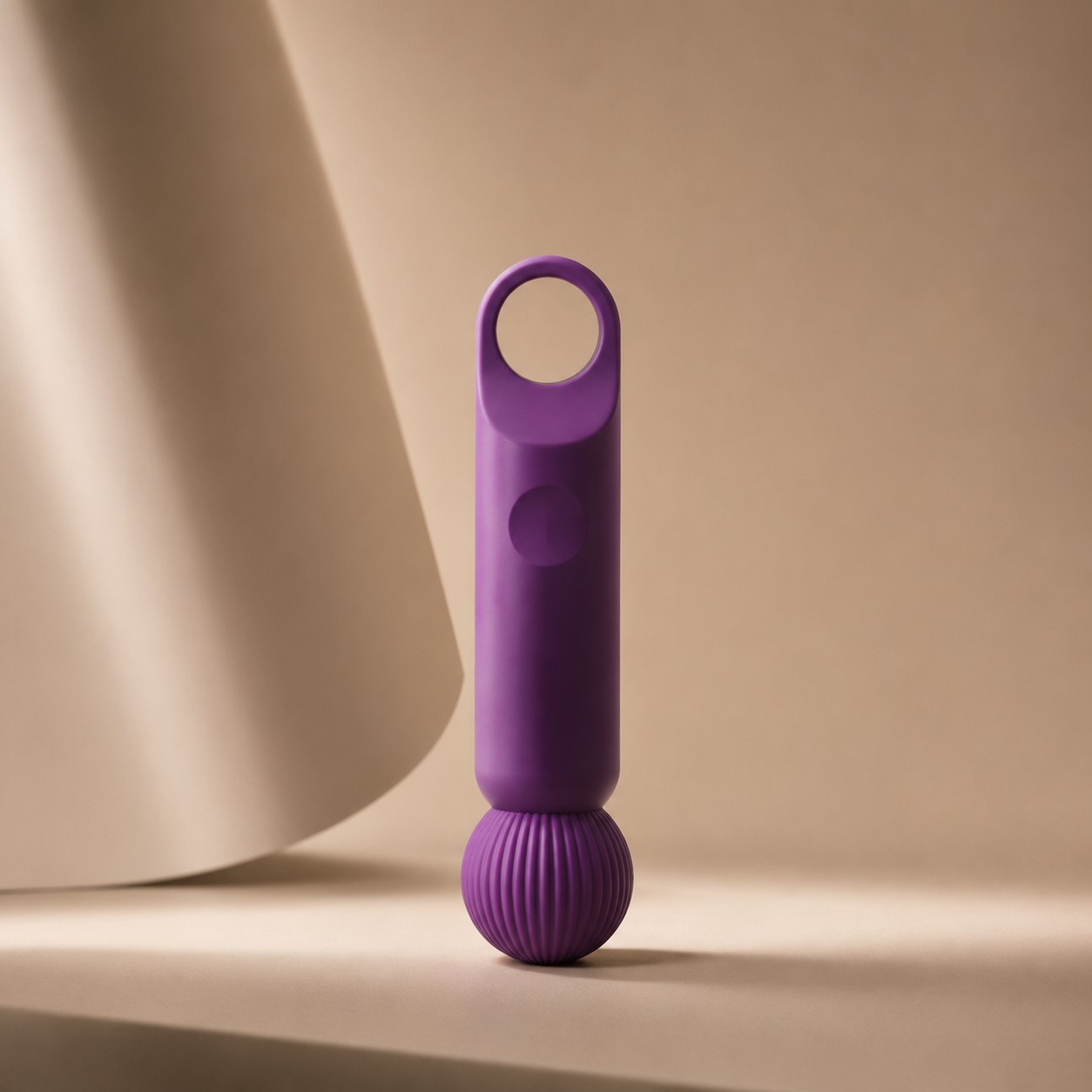
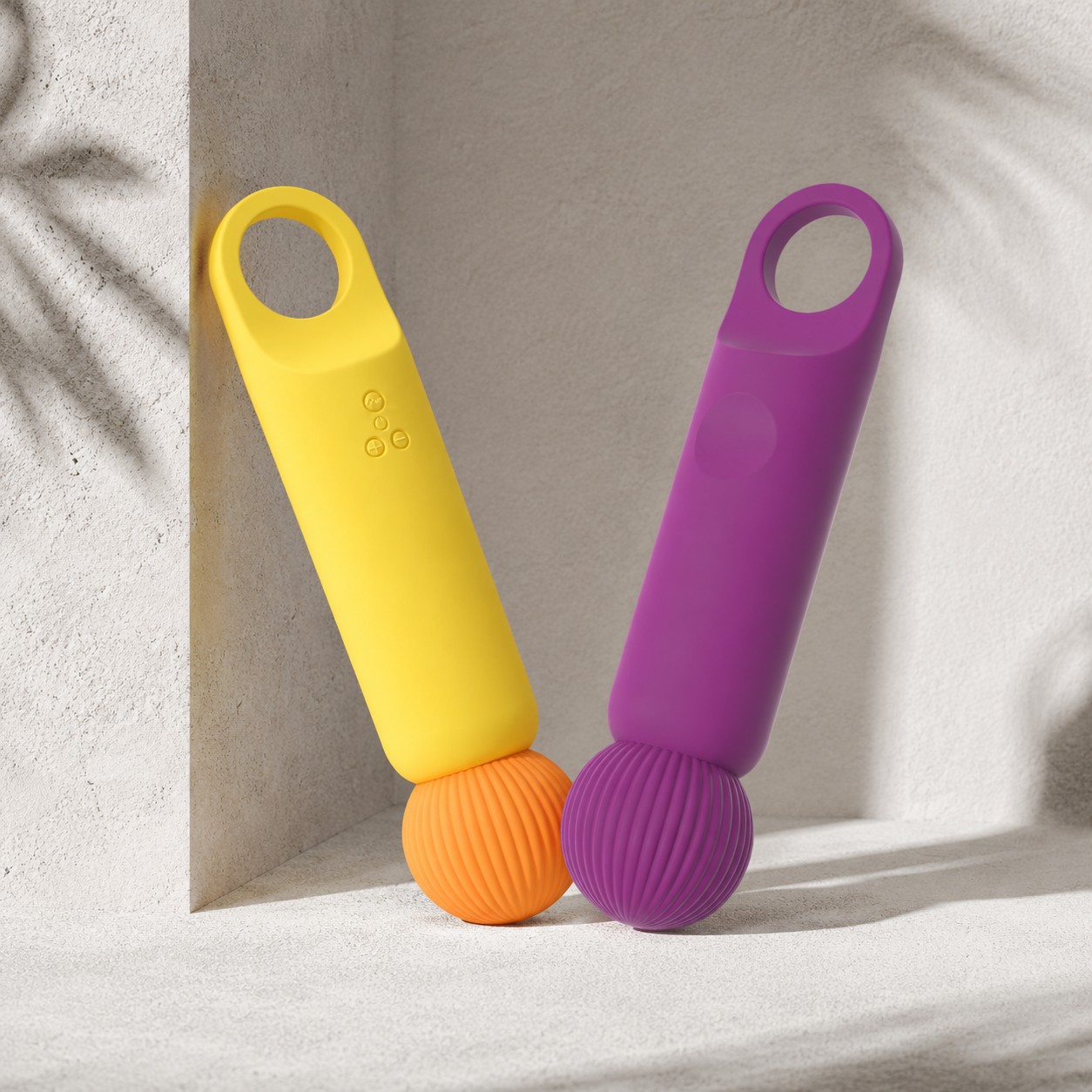
If you do decide to spend some money, start with one product whose controls, material, intended use, and care instructions you actually understand. Lola has a compact shape and one-button control according to its product page. It works externally too, so you don't have to start with insertion at all.
-
A product actually designed for what you want to do
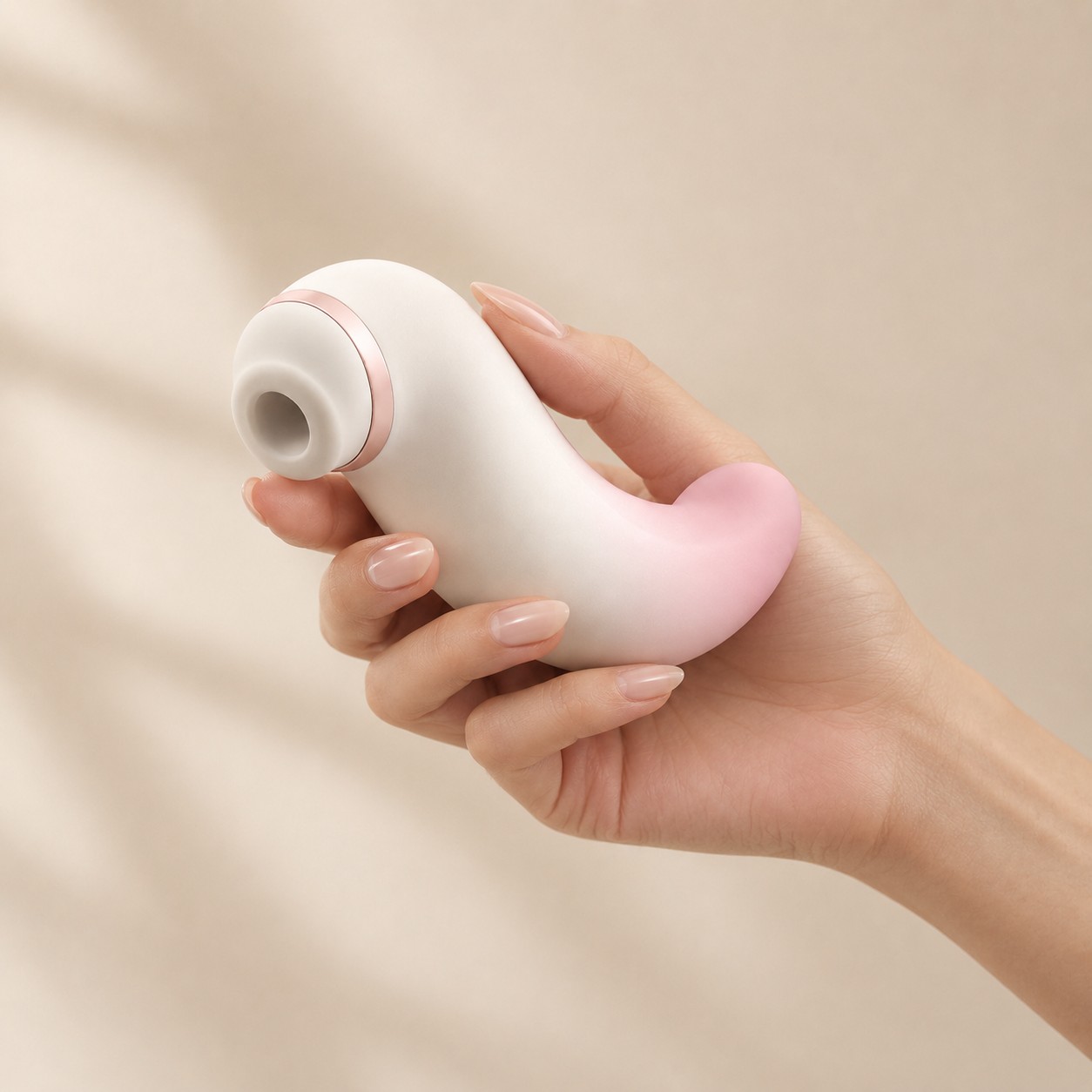
If you want anal stimulation, pick a toy explicitly made for anal use with a genuinely wide base or stopper—never a household substitute. If you want vaginal insertion, choose a purpose-designed insertable shape with clear material and care instructions. The Joybloom beginner collection organizes products by external, insertable, and blended sensations so you can compare what each one is actually for before buying. You can also use the Interactive Match Quiz to narrow options by intended use.
And hey, waiting and saving up for the right product is also totally valid. Curiosity doesn't come with a deadline.
The 30-Second Decision Test
Before anything touches your genitals, ask yourself these six questions:
- Was this designed for exactly this kind of contact?
- Do I know every material and coating that will touch my body?
- Is it intact, smooth, stable, and nothing can come off?
- If it's for anal use, does it have a proper wide base that stays outside?
- Can I stop and remove it right now if I need to?
- Do I have the manufacturer's cleaning and lubricant instructions?
If any answer is “no,” “probably,” or “I think so,” stick with external, hands-based play instead. Your body is worth the wait.
The Takeaway
DIY sex toys seem like a bargain because the object is already lying around your house. But the safety questions that actually matter—material, structural strength, retrieval, cleaning, intended use—are exactly the ones a household object can't answer.
Don't insert food, bottles, regular glass, craft projects, household tools, or motorized devices repurposed from another job. A condom might help with hygiene, but it can't fix a bad shape or prevent something from breaking.
The cheapest safe option is almost always your own clean hands, external touch, and some compatible lube. If you want a different sensation, pick a purpose-designed product whose use and care you can verify. Pleasure doesn't have to be expensive, but your body shouldn't be the test lab.