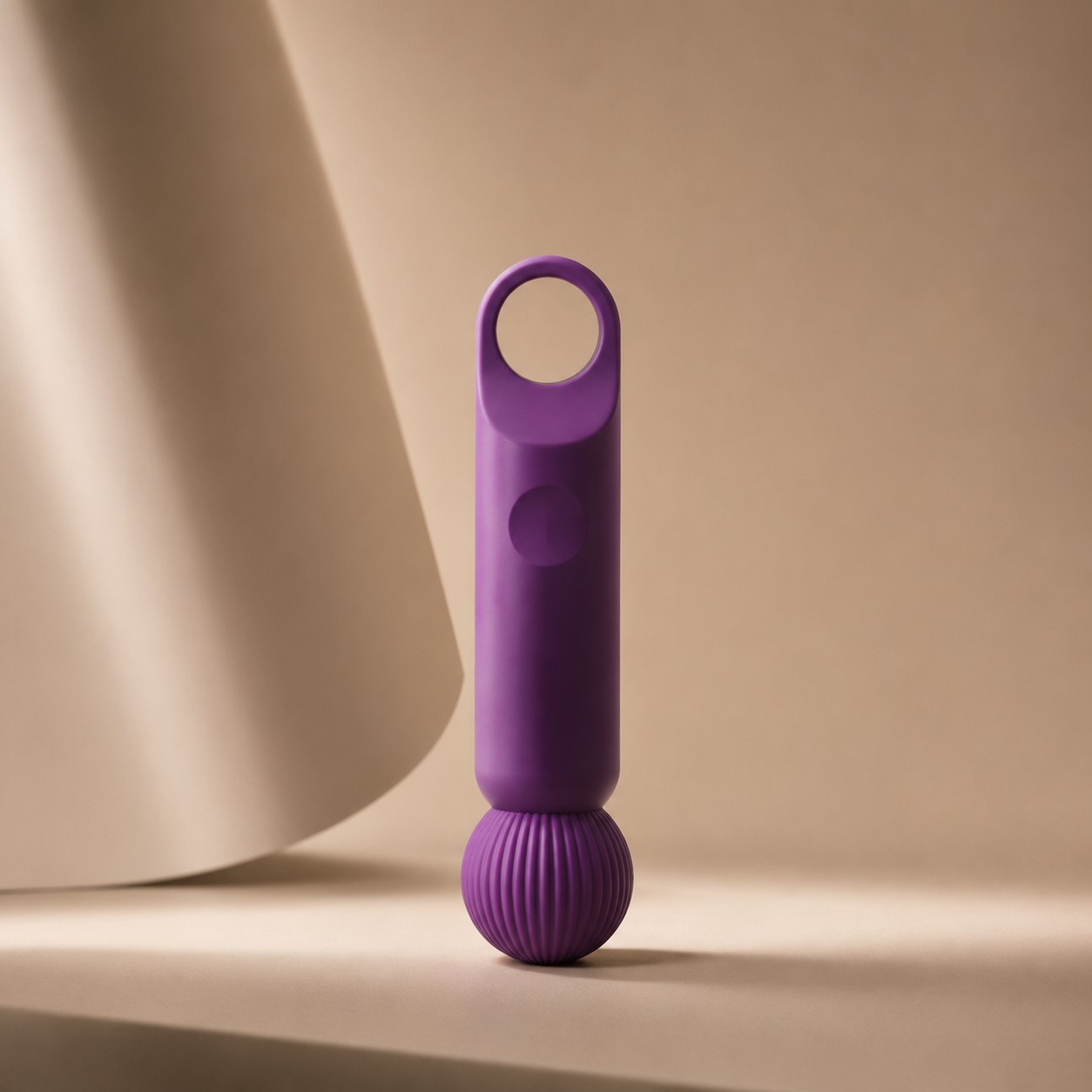
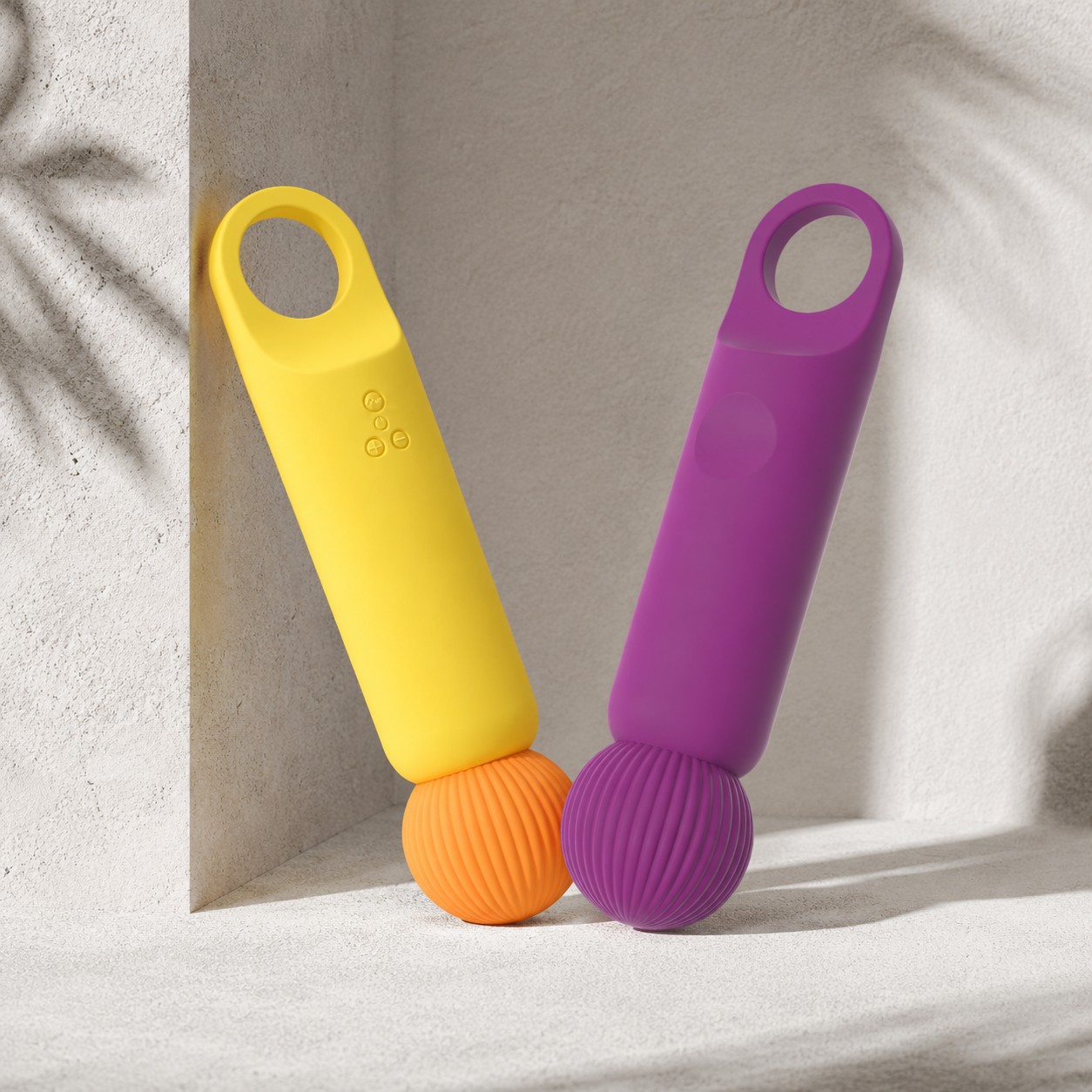
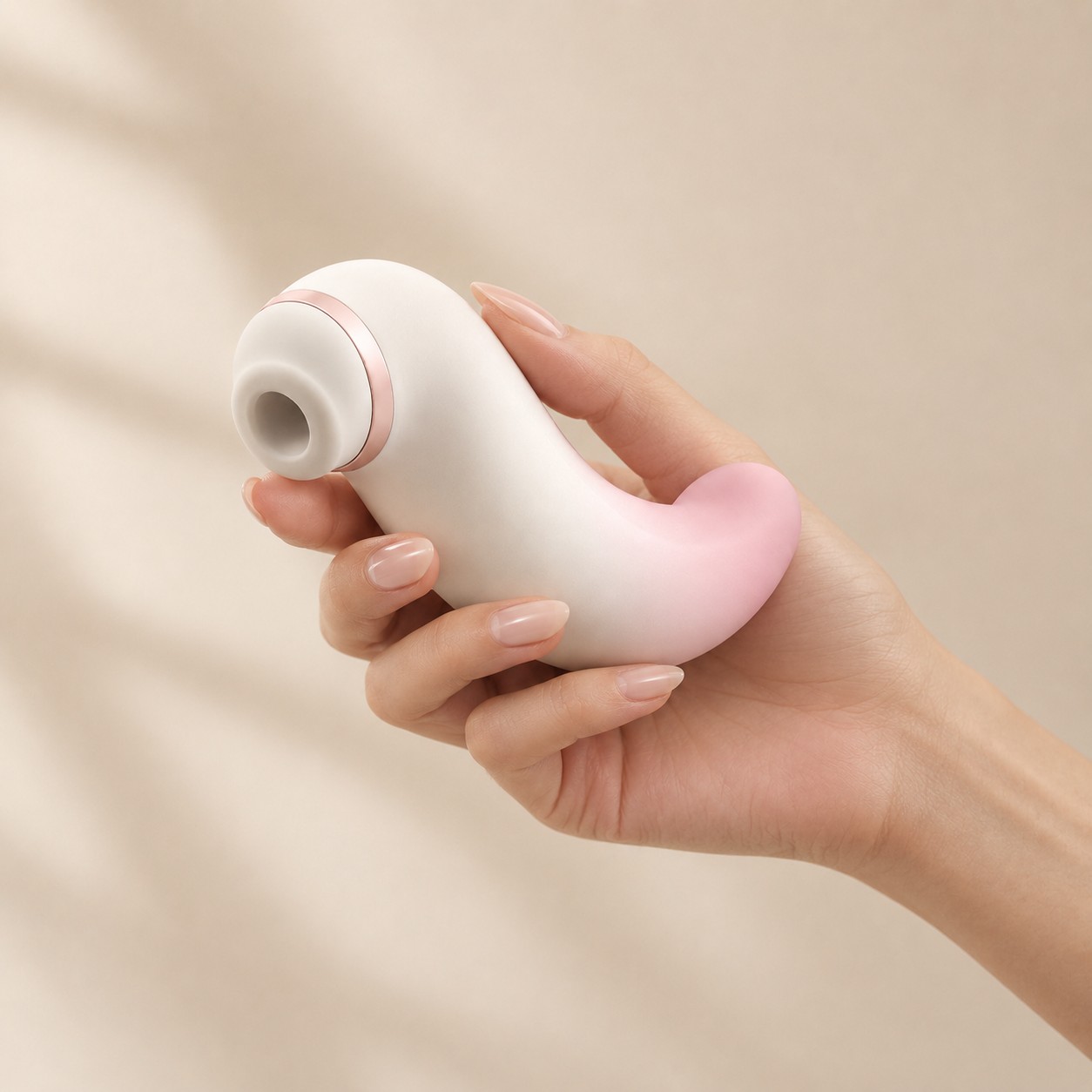
A pleasure product may look lovely sitting on your nightstand. It might feel soft in your hand, smooth to the touch, and beautifully made.
Here is the question most of us don't ask until later. What is actually touching my body?
For intimate wellness, material is the part that matters the most. A toy is not a decoration. It touches sensitive skin. It reaches intimate areas. It mixes with lubricant and with everything that regular use and cleaning bring. So the surface should be more than pretty. It should be stable, smooth, nonporous, and clearly named.
That is where words like "food-grade silicone," "medical-grade silicone," "TPE," and "TPR" start showing up. Some brands use them with care. Some use them as a soft glow that makes a product feel safer without saying much at all.
We want to make the material question easier. You don't need a chemistry degree to pick a vibrator, a wand, or a product for partner play. You need to know which materials are easier to trust, which deserve a second look, and why we at The Joybloom reach for food-grade silicone across our intimate line.
The Short Answer: Why Food-Grade Silicone Matters
Food-grade silicone generally refers to silicone formulated for repeated contact with food under relevant food-contact rules. In the U.S., FDA food-contact regulations include rules for repeated-use rubber articles, including silicone basic polymer, and set limits around extractables under specific test conditions. [eCFR]
For sex toys, food-grade silicone is valued because it is typically:
- Nonporous
- Flexible but stable
- Smooth against the body
- Easier to clean than many soft plastics
- Resistant to breaking down with normal care
- Less dependent on plasticizers for softness
- Suitable for repeated contact when properly manufactured and cleaned
One thing to keep clear: food-grade does not mean the product is edible. It means the material holds a higher bar for contact safety than vague labels like "soft touch," "skin-like," or "jelly." That bar matters most on your most sensitive skin.
Food Grade vs Medical Grade Silicone
“Medical-grade silicone” can sound like the safest possible choice. In actual use, the meaning depends on testing, documentation and intended application.
Medical-device biocompatibility is evaluated through a risk-based process that considers the finished device, its body contact type and its use conditions, not just a raw material label. The FDA’s ISO 10993-1 guidance explains biocompatibility evaluation in the context of medical devices and intended contact. [FDA]
That matters because most pleasure products are not implants, surgical tools or regulated long-term medical devices.
For everyday intimate wellness products, the more useful consumer question is not “Does this sound medical?” but:
Is the material clearly disclosed, stable, nonporous, body-safe and easy to clean?
Here is a practical comparison.
|
Material Term |
What It Usually Means |
What to Look For |
|
Food-grade silicone |
Silicone formulated for repeated food-contact applications under relevant standards |
Clear silicone disclosure, smooth surface, low odor, cleaning instructions |
|
Medical-grade silicone |
Silicone used in medical-device contexts with additional testing depending on intended use |
Specific documentation, not just a marketing phrase |
|
TPE |
Thermoplastic elastomer, often soft and stretchy |
More caution for repeated intimate use, especially if porous or unclear |
|
TPR |
Thermoplastic rubber, another soft elastomer category |
Similar caution around porosity, additives and cleaning |
|
Jelly rubber / PVC blends |
Often very soft, inexpensive and less transparent |
Avoid when material details are vague or odor is strong |
The point is not that “medical-grade” is bad. It is that the phrase alone does not automatically make a consumer pleasure product better. A well-made food-grade silicone toy with transparent material information may be a more relevant and trustworthy choice than a vague “medical” claim with no explanation.
Why Silicone Is Different From TPE and TPR
Many low-cost toys feel soft because they use TPE or TPR. Those materials can fake a skin-like feel at a lower price, which is why they fill sleeves, strokers, budget picks.
Softness is not the same as long-term body confidence.
Next to silicone, TPE and TPR are harder to judge because they can be blends. The exact mix can change from one maker to the next, and you may never learn which oils, plasticizers, aids went in. The main practical worry is porosity. A porous surface holds tiny spaces that trap residue even when it looks clean, where nonporous silicone lets you wash more fully. For a reusable intimate product, that difference matters.
Some TPE and TPR items may still be fine, so follow the maker's steps closely. A compatible condom over the product helps. Keep it to one body area. Let it dry fully. Replace it if it turns sticky, torn, discolored, starts to smell. For a new product, food-grade silicone is the calmer choice..
What About Phthalates and Chemical Residue?
People worry about residue for good reason. Intimate products touch delicate areas, and this category has seen less steady oversight than many shoppers expect.
A 2023 exploratory study tested four commercially available sex toys and found microplastic or nanoplastic particles after abrasion testing, as well as phthalates in the tested samples. The authors clearly noted that the small sample was not representative of all sex toys, but the study highlighted the need for better risk assessment and material transparency in the category. [PubMed]
The study still tells us material quality is not a decorative detail. When a brand names the material, skips vague jelly talk, picks a stable nonporous surface, it hands you more control over your own routine. That is why we build on food-grade silicone instead of mystery blends.
What Makes a Sex Toy Body-Safe?
“Body-safe” should mean more than “it feels nice.”
For a reusable intimate product, look for these qualities.
1. Nonporous Surface
A nonporous surface is easier to clean and less likely to hold residue than porous soft plastic. This is one of the main reasons silicone is preferred for many intimate products.
2. Clear Material Disclosure
The product page should tell you what the main contact material is. “Silky soft,” “skin feel” or “premium touch” are textures, not material names.
Better wording looks like:
- Food-grade silicone
- Body-safe silicone
- Liquid silicone
- ABS plastic for non-insertive hard components
- Stainless steel or borosilicate glass, when applicable
3. Low-Odor Material
A strong chemical smell is not a perfect safety test, but it can be a warning sign, especially with cheap rubbery materials. High-quality silicone usually has little to no strong chemical odor after normal cleaning.
4. Smooth Finish
The surface should feel smooth, without sharp seams, sticky patches, cracks or rough edges. Any texture should be intentional and easy to clean.
5. Cleaning Instructions
A trustworthy product should explain how to clean and dry it. Many silicone toys can be washed with mild soap and water, but you should always follow the product’s specific care instructions.
6. Lubricant Compatibility
Water-based lubricant is usually the safest default for silicone toys. Some silicone-based lubricants may affect some silicone surfaces, so check the product instructions before combining them.
The Joybloom’s Lola, for example, lists food-grade liquid silicone as its material and advises using water-based or aloe-based lubricant while avoiding silicone- or oil-based options.

Why Food Grade Silicone Fits Intimate Wellness
Food-grade silicone is not only about safety language. It also supports a better user experience.
A good silicone surface can feel soft without becoming tacky. It can be flexible without feeling fragile. It can hold a smooth finish without needing the same type of plasticizer-heavy softness associated with some cheaper materials.
For intimate products, that balance is the whole point. You want a material that feels gentle on sensitive skin, holds its shape, bends for comfort, stays smooth to cut friction, lasts through cleaning, stays stable for the long run. This matters most for people who already feel anxious about allergies, irritation, unknown chemicals.
Every body is different, and sensitivity can still appear for many reasons. Lubricant, soap, fragrance, friction, a skin condition, an infection, hormones, medication can all play a part. Picking a named nonporous silicone product still removes one big source of doubt.
How to Reduce Irritation Risk
Material is step one. Habits are step two.
Before using any intimate product:
- Wash it before first use.
- Wash it after every use.
- Let it dry fully before storage.
- Store it away from lint, dust and direct heat.
- Use water-based lubricant unless the product says otherwise.
- Do not share products without cleaning and barrier protection.
- Do not move a toy from anal to vaginal use without proper cleaning or a fresh barrier.
Stop using the product if you notice pain, burning, swelling, rash, persistent numbness or unusual discharge.
If you have a history of allergies, pelvic pain, recurrent infections or vulvar skin sensitivity, speak with a qualified healthcare professional before using new intimate products.
A good material supports comfort. It does not replace medical care when symptoms are present.
How to Read a Product Page Like a Smarter Buyer
Before buying a pleasure product, scan the page for specific information.
A trustworthy product page should answer:
- What is the body-contact material?
- Is it silicone, TPE, TPR, PVC or another material?
- Is the material described clearly or only with texture words?
- Is the product waterproof or water-resistant?
- How should it be cleaned?
- Which lubricant types are compatible?
- Is the surface smooth and easy to inspect?
- Does the brand explain safety without exaggerated medical promises?
Be cautious with pages that rely only on phrases like:
“Real feel”
“Skin-like material”
“Luxury soft rubber”
“Premium jelly”
“Medical-style”
“Safe material” without naming the material
Those words may describe a feeling or a position. They don't tell you what touches your body.
Why The Joybloom Chooses Food Grade Silicone
At The Joybloom, material choice is part of the product experience, not a hidden technical detail.
Every pleasure product we make uses food-grade silicone because it matches what intimate wellness should feel like: smooth, stable, body-conscious, easy to care for.
This choice supports the brand’s broader design philosophy:
- Comfort before pressure
- Clarity before exaggerated claims
- Body-safe materials before trend-driven textures
- Simple care before confusing instructions
- Pleasure products that feel approachable, not intimidating
For beginners, this matters even more. Your first toy should not make you worry about chemical residue, sticky surfaces or whether the material can be cleaned properly.
If you are choosing your first product, start with Joybloom’s sex toys for beginners. The collection organizes products by sensation, placement and control so you can compare the experience before getting lost in features.
Food Grade Silicone Does Not Mean “No Rules”
Even good silicone needs care. Don't boil, bleach, disinfect a product unless the maker says it's safe. Vibrators hold motors, ports, inner parts, so the cleaning steps matter. Avoid pressing silicone toys against unknown soft plastics for long, since some materials can react and change the surface.
And remember, body-safe doesn't mean right for every body at every moment. If something burns, stings, numbs, feels off, stop. The finest material in the world ranks below your own body's signal.
Questions You May Ask
Are food grade silicone sex toys safe?
Food-grade silicone is widely preferred for intimate products because it is stable, nonporous, flexible and easier to clean than many soft plastic materials. Safety still depends on manufacturing quality, product design, cleaning habits and individual sensitivity.
Is food grade silicone better than medical grade silicone for sex toys?
Not exactly. Medical-grade silicone is important in medical-device contexts, but the phrase alone does not automatically make a consumer sex toy safer. For pleasure products, clear material disclosure, nonporous silicone, good manufacturing and proper care are often more relevant than a vague “medical-grade” claim.
Is TPE safe for sex toys?
TPE is a broad material category. Some TPE products may be made with body-safe formulations, but TPE is often softer, more porous and harder to clean thoroughly than silicone. For repeated intimate use, food-grade silicone is usually a more reassuring choice.
Is TPR the same as silicone?
No. TPR is a thermoplastic rubber material, while silicone is a different polymer material. TPR can feel soft and flexible, but it does not offer the same material confidence as high-quality nonporous silicone.
How can I tell if a toy is silicone?
Read the product page and packaging first. A flame test is sometimes discussed online, but it is not a responsible method for consumers because it can damage the product and may produce fumes. Choose brands that clearly disclose their materials.
Can silicone sex toys cause allergies?
True silicone allergy appears uncommon, but irritation can still happen from friction, lubricant, soap, fragrance, infection, skin conditions or other ingredients. Stop use if discomfort occurs and seek medical advice for persistent symptoms.
Can I use silicone lubricant with silicone toys?
Water-based lubricant is usually the safest default for silicone toys. Some silicone-based lubricants may affect certain silicone surfaces, so check the product’s care instructions before using them together.
Why do cheap sex toys smell strong?
A strong chemical smell may come from certain soft plastics, additives or manufacturing residue. Smell alone cannot prove whether a product is unsafe, but it is a reasonable reason to be cautious, especially if the material is not clearly disclosed.
The Takeaway
The safest-feeling sex toy is not always the one with the most dramatic claim.
It is the one that tells you what it is made from, feels smooth against the body, cleans easily and does not hide behind vague material language.
Food-grade silicone matters because it gives intimate wellness a clearer foundation: stable material, nonporous texture and everyday body confidence.
Medical-grade language may sound impressive, but for most pleasure products, the better question is simpler:
Would I trust this material against my most sensitive skin again and again?
With food-grade silicone, transparent design and proper care, that answer becomes easier.