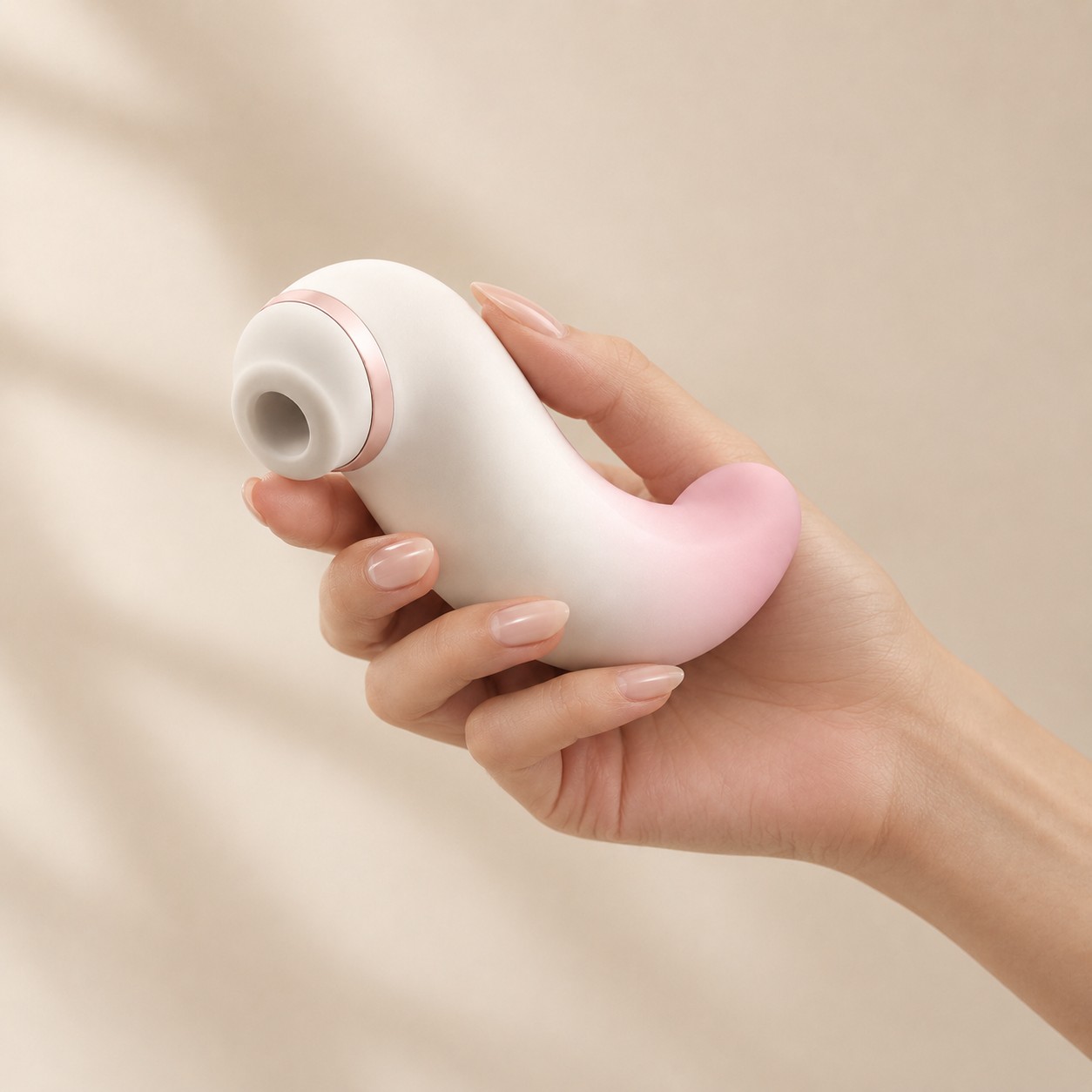
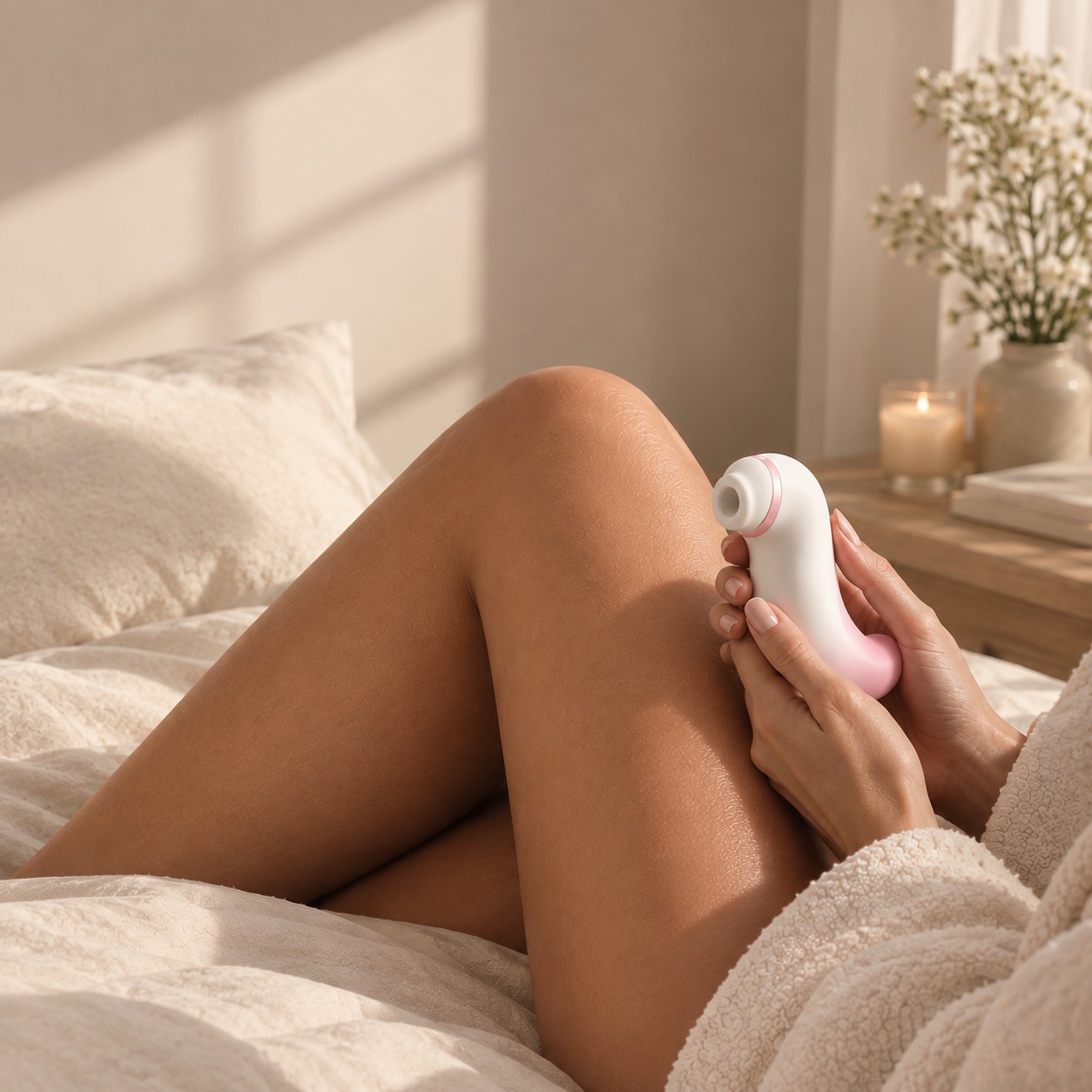
Laptop closed. Lights off. Body exhausted, but the mind is still replaying the day.
For many of us with full calendars, the hard part is not finding time to sleep. It is convincing the nervous system that the day has actually ended.
That tension is what brought a growing number of people to a personal question: does orgasm help you sleep?
Before I started writing about this intersection, I treated it as something private, slightly embarrassing, definitely not a research topic. The studies are thinner than I expected. What exists points in a useful direction without promising a cure.
A pressure-free 15-minute pleasure ritual can support the transition into sleep, but only when it feels calming, comfortable, genuinely wanted. That last part matters more than the science.
Does Orgasm Help You Sleep? The Short Answer
Possibly, for some people.
A 2023 diary study found that partnered sexual activity involving orgasm was associated with shorter sleep latency, meaning the time needed to fall asleep, and better perceived sleep quality. Sexual activity without orgasm showed a smaller effect. [Journal of Sleep Research]
A 2025 pilot study used portable sleep monitoring with seven cohabiting couples. Both solo masturbation and partnered sex were followed by less wakefulness after falling asleep, along with a shift toward deeper sleep stages.
That same study only included 14 healthy adults. It did not find meaningful differences in total sleep time, how long it took to fall asleep or how participants rated their own sleep. The researchers were clear that the sample is too small to draw clinical conclusions. [Sleep Health]
In other words, early evidence is promising, but it does not prove that orgasm treats insomnia.
What Happens in the Body After Orgasm?
After orgasm, the body enters what researchers call the resolution phase. Breathing slows. Heart rate begins to settle. Muscles gradually release tension. That familiar feeling of “coming down” after pleasure is connected to several biological processes.
Oxytocin and the Stress Response
Oxytocin is sometimes called the “bonding hormone,” although its biological role is more complicated than that nickname suggests.
Research has found that oxytocin levels can increase during sexual activity, with higher levels observed around orgasm compared with baseline. [PubMed]
Scientists have also studied oxytocin’s relationship with stress responses, including possible effects on anxiety and cortisol regulation. [PubMed review]
That does not mean every orgasm automatically lowers stress hormones. Bodies respond differently. What it may help explain is why some people experience a sense of comfort, safety, and emotional ease after sexual pleasure.
Prolactin and Sexual Satiety
Prolactin is another hormone that changes after orgasm. A controlled study found that partnered orgasm produced a noticeable increase in prolactin levels in both women and men, with levels remaining elevated for about an hour afterward. [Psychoneuroendocrinology]
Researchers believe this response may contribute to sexual satiety—the natural shift from arousal into relaxation.
It is not a sleeping pill. But it may be one reason some people feel ready to rest after orgasm.
Endorphins and the Feeling of Release
Endorphins are natural chemicals involved in pleasure, reward, and pain regulation.
Research suggests that the body’s opioid system plays a role in sexual pleasure and orgasm. [PubMed]
These changes may contribute to the feeling of release that many people describe afterward. Still, science has not shown that orgasm-related endorphin changes directly treat insomnia.
The relationship between pleasure and sleep is more personal than a single hormone explanation.
Why Pleasure May Help a Busy Mind Slow Down
For many people, trouble sleeping starts long before the lights go out.
It starts with unfinished emails. A phone that keeps lighting up. A mental checklist that somehow gets longer the moment your head touches the pillow. Sleep requires the nervous system to shift from “handling the day” into “resting mode.”
A calming pleasure routine may help create that transition by giving your attention somewhere else to go: away from tomorrow’s worries and back toward your own body.
Slow breathing, gentle touch, and focusing on physical sensations can become a signal that the day is ending. For some people, orgasm may deepen that feeling of release. For others, the relaxing part may simply be slowing down, feeling present, and taking a few quiet minutes without pressure. That distinction matters.
If pleasure becomes another goal to achieve — another thing to “get right” before sleep — it can create the opposite effect.
A Pressure-Free 15-Minute Bedtime Pleasure Ritual
The 15-minute timeframe is not a medical prescription. There is no scientifically proven amount of time that guarantees better sleep. Think of it as a simple evening ritual: long enough to create a transition, but short enough to fit into a busy schedule.
Minutes 0–3: Reduce Stimulation
Dim the lights. Put your phone somewhere you cannot automatically reach for it.
Take a few slower breaths and notice where you are holding tension. Maybe it is your jaw after a stressful day. Maybe your shoulders are still lifted. Maybe your body simply has not realized it is safe to slow down yet.
Do not begin by expecting arousal. Begin by arriving.
Minutes 3–12: Explore Without Chasing an Outcome
Start with whatever helps you feel connected to your body. That might mean gentle touch, exploring different sensations, or using a pleasure product that makes the experience feel simple and comfortable.
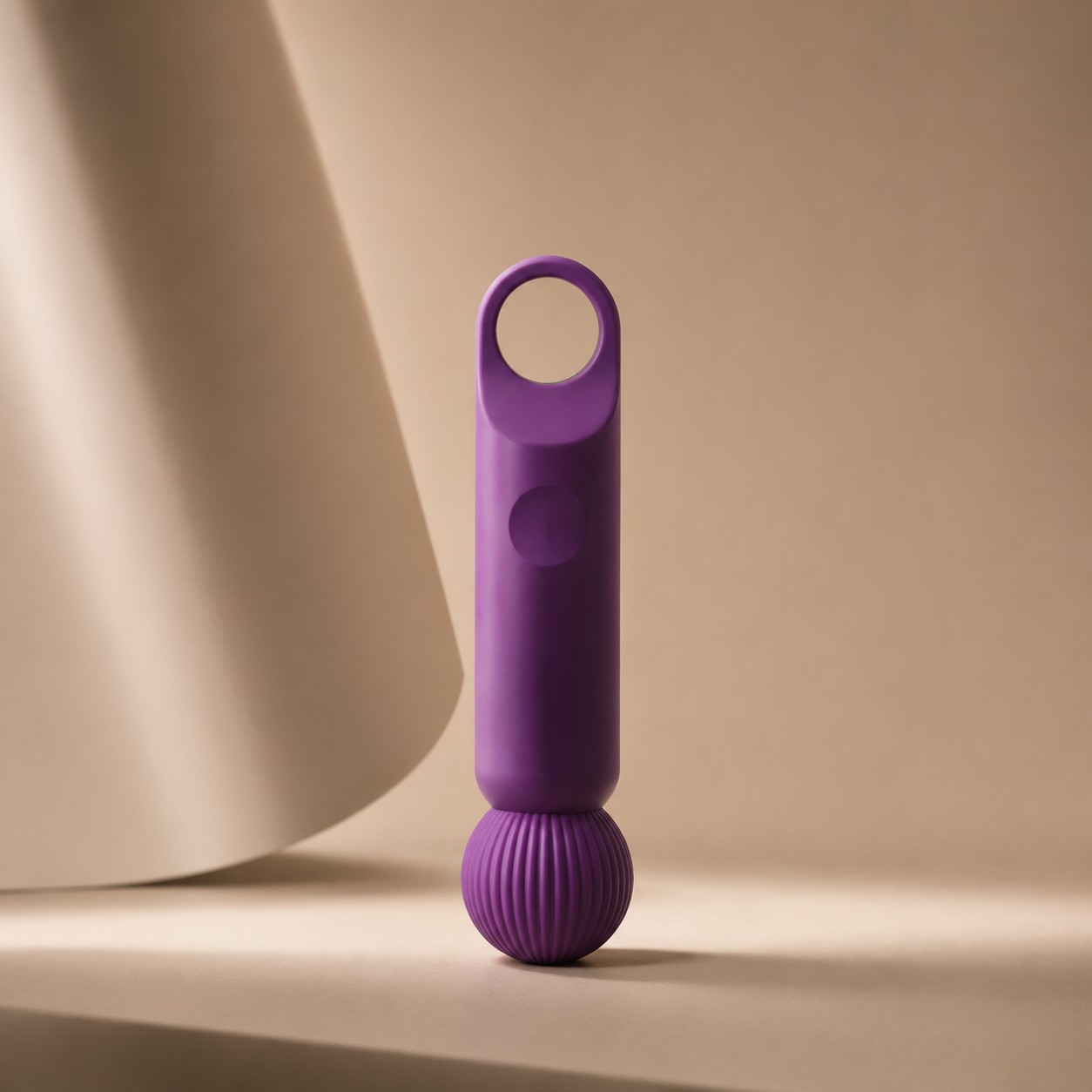
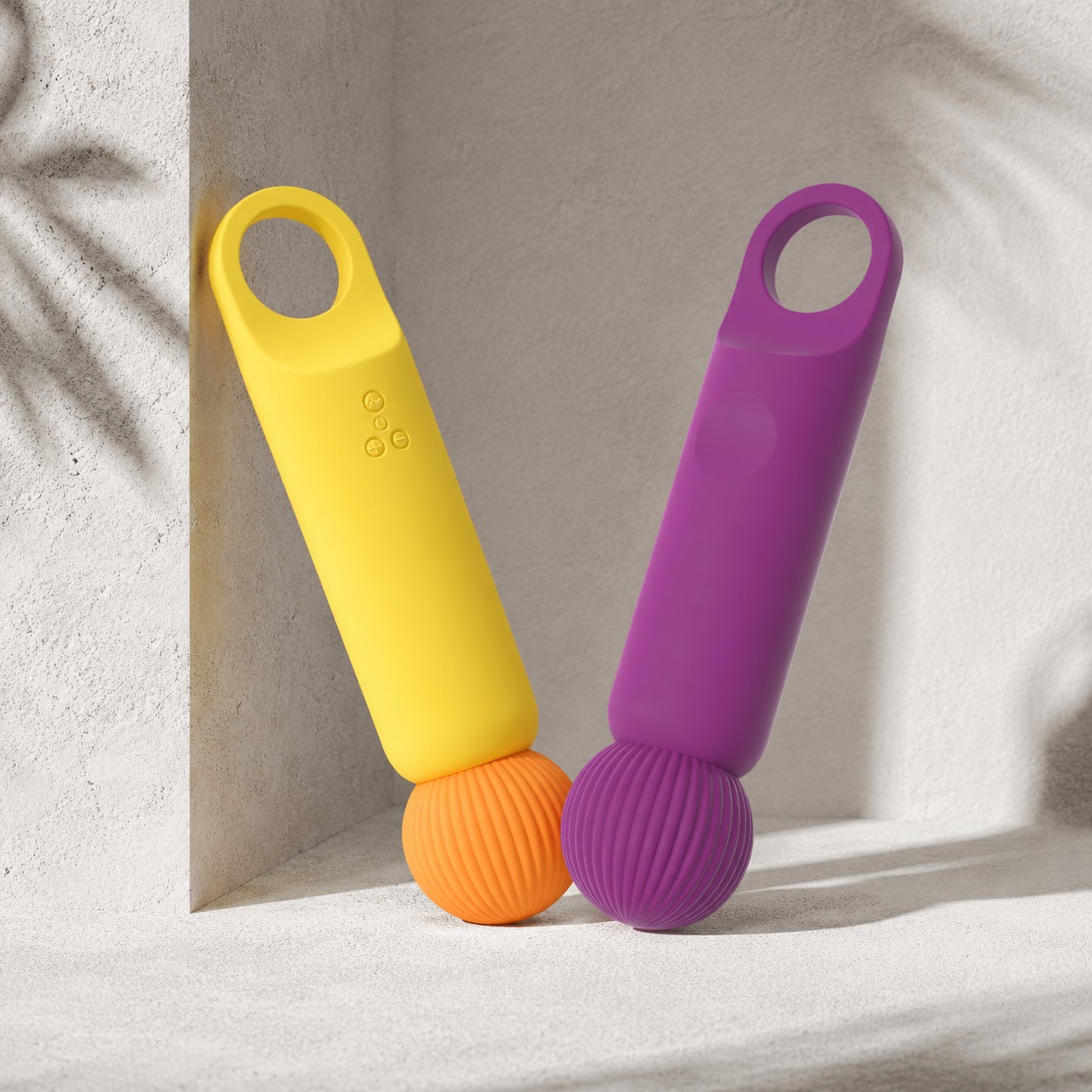
For a simple, screen-free routine, The Joybloom Lola Mini Wand offers one-button control and ten vibration patterns in a compact design. There is no need to open an app or bring more blue light into bed.
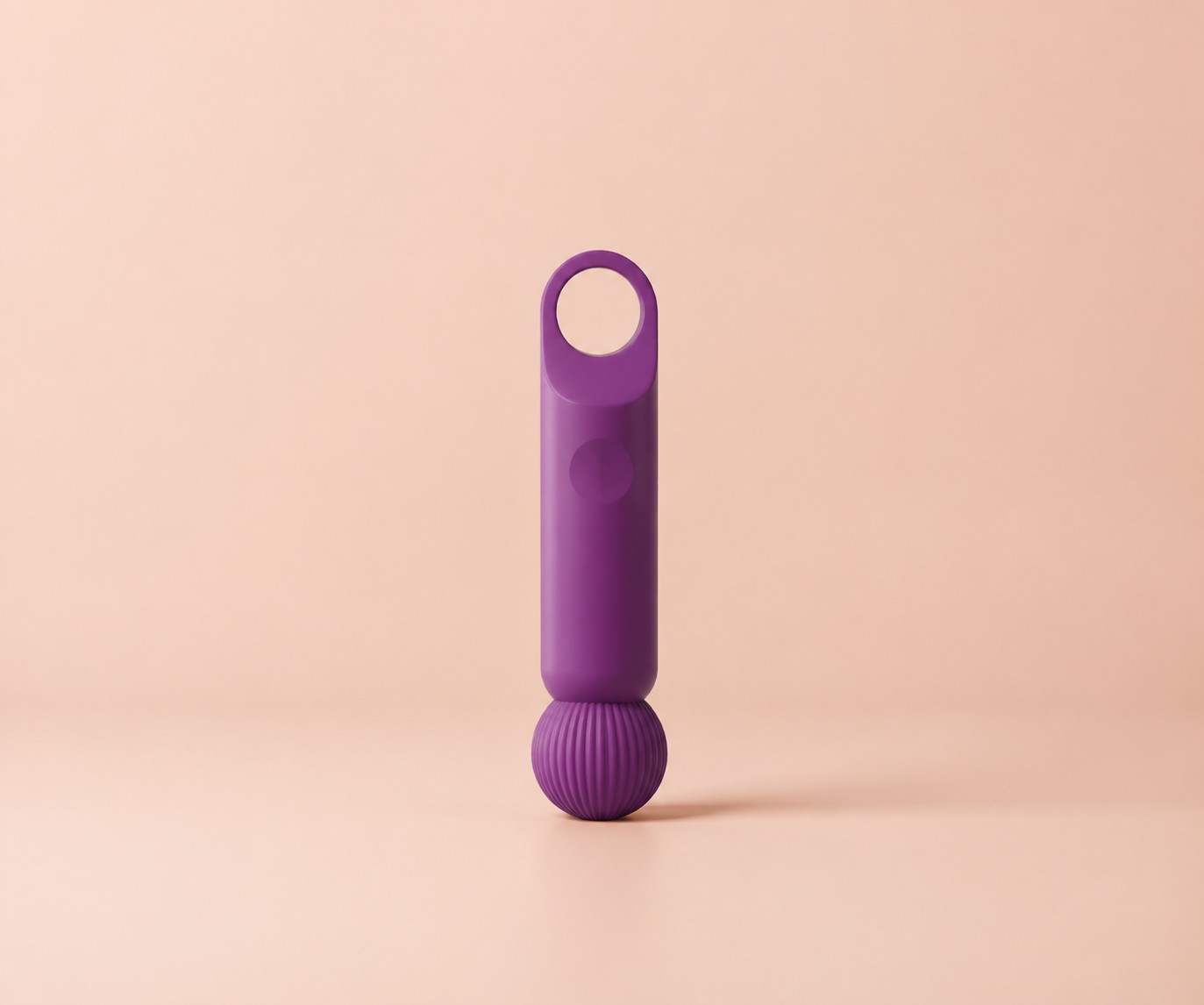
Begin with a comfortable setting and use Lola externally around the vulva or clitoris. Let your body guide changes in pressure and rhythm.
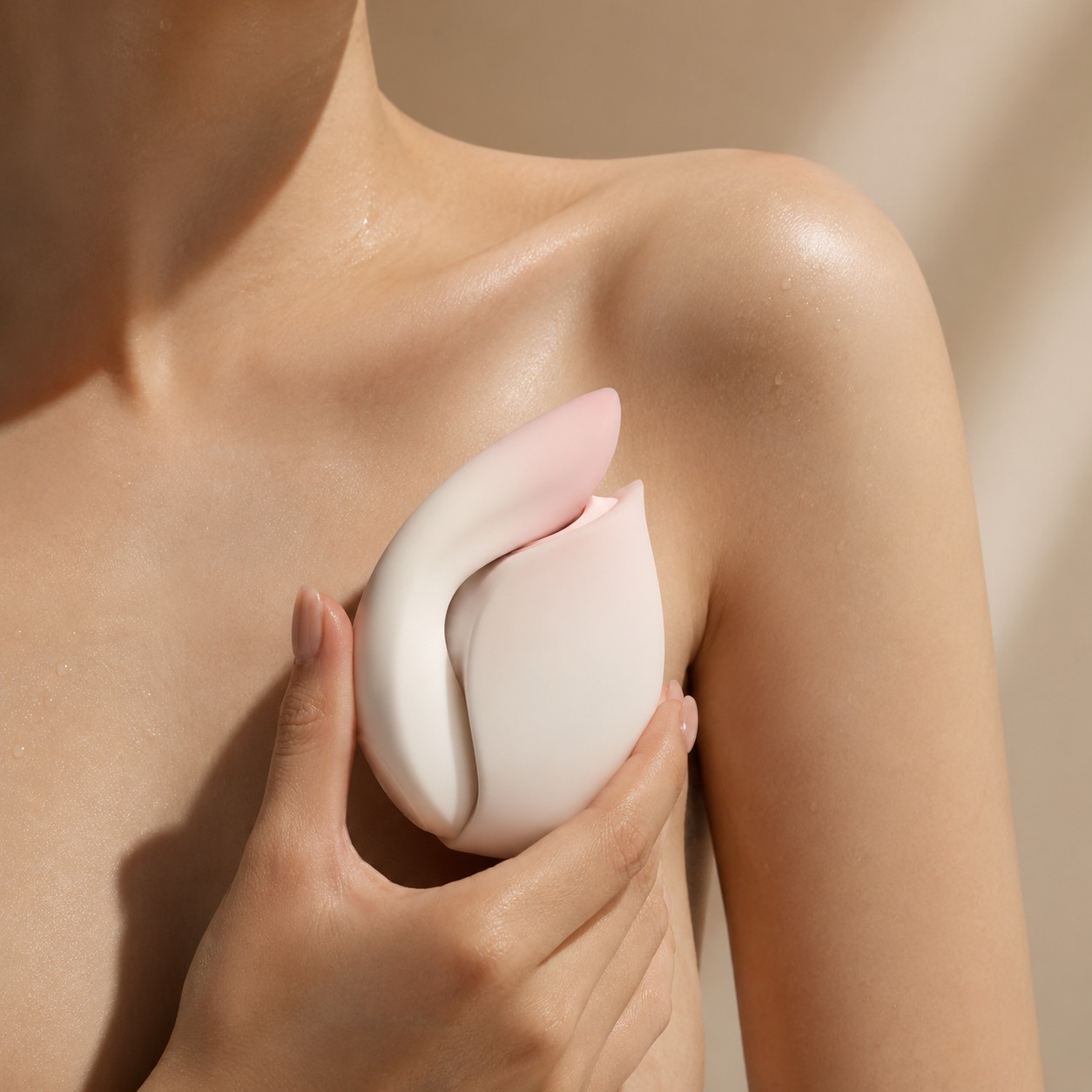
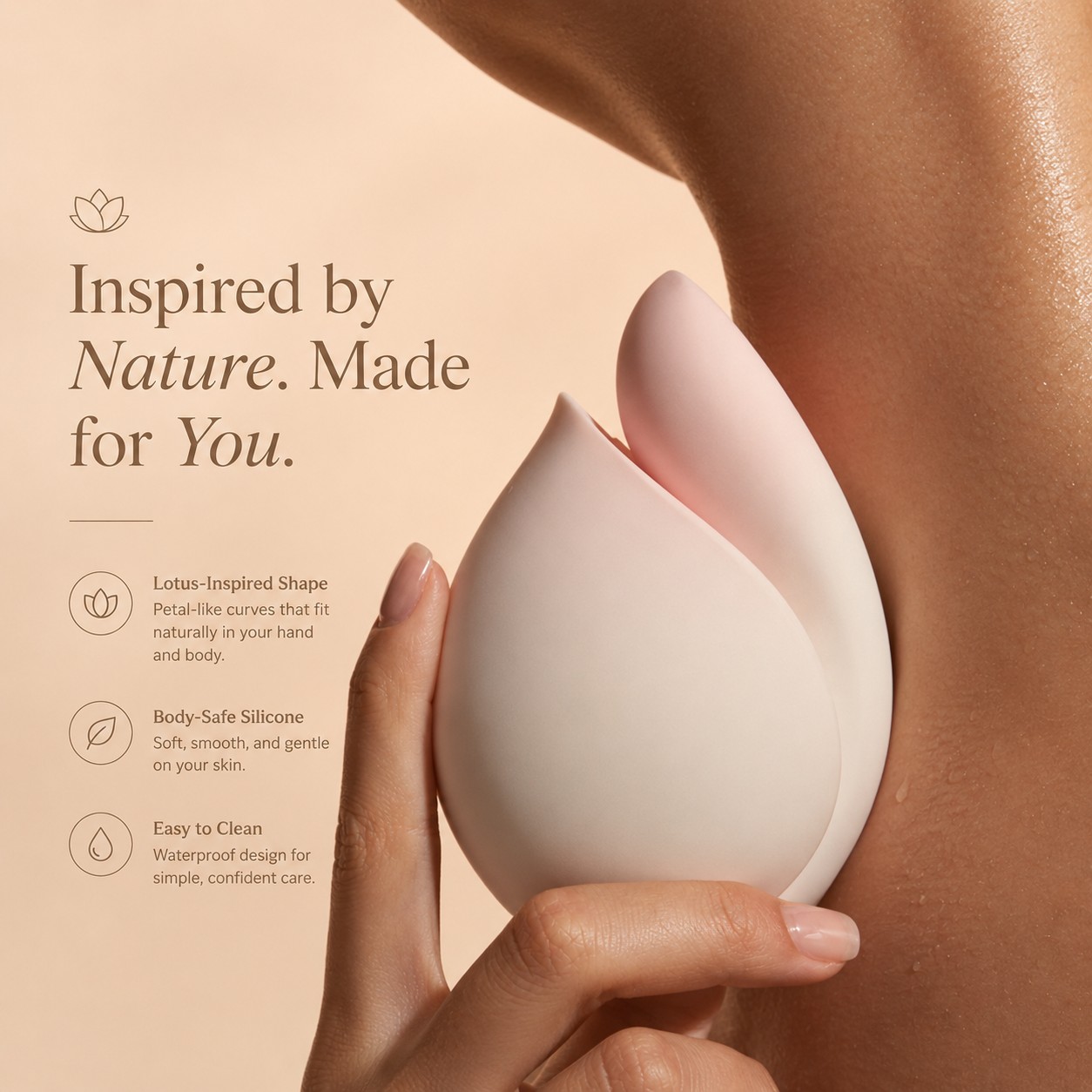
Those who prefer broader, less targeted sensations may choose the Sola Wand Vibrator. Its wider head can be used externally on the shoulders, inner thighs, vulva or other sensitive areas as part of a whole-body wind-down.

Neither product is designed to treat insomnia. They are tools for making personal self-care feel easier, more intentional, and more comfortable.
Minutes 12–15: Protect the Transition
Afterward, keep the transition gentle. Clean and store your product according to the instructions. Keep the lights low. Avoid opening social media or checking messages again.
Take a few slow breaths and notice how your body feels compared with fifteen minutes earlier.
If sleepiness arrives, let it. You do not need to add anything else.
Partnered Sex Versus Masturbation for Sleep
Both partnered intimacy and solo pleasure may support relaxation, but they create different experiences.
Partnered sex may include additional elements such as affection, emotional closeness, and physical connection. A 2023 diary study found the strongest association with improved sleep outcomes after partnered sexual activity involving orgasm.
Solo pleasure offers something different: control. You decide the timing, pace, and environment. A 2019 survey of 778 adults found that respondents associated both partnered orgasm and masturbation-related orgasm with better perceived sleep outcomes. However, because the results were based on self-reported experiences, they show personal perception rather than clinical proof. [Frontiers in Public Health]
Neither option is inherently better. The more useful choice is the one that feels safe, voluntary and relaxing for you.
When This Routine May Not Help
Pleasure is personal. Some people feel sleepy after orgasm. Others feel energized. Some may experience emotional discomfort afterward.
A bedtime pleasure routine may not be helpful when:
- Sexual stimulation feels pressured
- Arousal increases alertness
- Pain or dryness interferes with pleasure
- A product causes discomfort or numbness
- Sexual experiences are connected to trauma
- The routine delays bedtime rather than supporting it
Stop if the experience creates stress, frustration, or discomfort. Sleep should never depend on achieving orgasm every night.
Orgasm Is Not a Substitute for Insomnia Treatment
Occasional sleeplessness and chronic insomnia are not the same.
Persistent difficulty falling asleep, staying asleep, or feeling rested during the day may be connected to factors such as anxiety, depression, chronic pain, medication, menopause, sleep apnea, or other health conditions.
The American College of Physicians recommends cognitive behavioral therapy for insomnia, or CBT-I, as the first-line treatment for adults with chronic insomnia. CBT-I may include stimulus control, sleep restriction, cognitive strategies, and sleep-habit education.
Speak with a healthcare professional if sleep problems:
- Occur at least three nights per week
- Continue for several months
- Affect concentration, mood or work
- Cause dangerous daytime sleepiness
- Include loud snoring, gasping or breathing pauses
- Continue despite improving your bedtime habits
A pleasure ritual can complement healthy sleep practices. It should not delay diagnosis or professional treatment.
Frequently Asked Questions
Does masturbation help you sleep?
It may help some people relax before bed. A small 2025 study found changes in sleep efficiency and nighttime wakefulness after solo masturbation, but larger studies are needed before drawing broader conclusions.
Do you need to orgasm for the sleep benefits?
Not necessarily. Slow touch, breathing and reduced screen exposure may be relaxing even without orgasm. Some observational research has found stronger sleep associations when orgasm occurs, but climax should not become a requirement.
Does orgasm lower cortisol?
Sexual activity may influence stress-related hormones, including oxytocin and cortisol responses. However, research has not shown that every orgasm creates a meaningful or lasting reduction in cortisol.
Can a vibrator help with sleep?
A vibrator may make solo pleasure easier or help redirect attention toward physical sensation. It does not directly induce sleep or treat insomnia.
Is 15 minutes the ideal amount of time?
No specific duration has been clinically established. Fifteen minutes is simply long enough to create a transition without turning the routine into another demanding evening activity.
Can orgasm cure chronic insomnia?
No. Orgasm may support relaxation, but chronic insomnia is a medical sleep condition that deserves appropriate evaluation and treatment.
The Takeaway
So, does orgasm help you sleep?
It may help some people shift from mental overactivity into physical relaxation. Early studies suggest possible improvements in sleep onset, sleep efficiency or nighttime wakefulness, but the evidence remains limited and individual responses vary.
Oxytocin, prolactin and endogenous opioids offer plausible explanations for post-orgasm relaxation. They do not make orgasm a guaranteed hormonal cure for high cortisol or insomnia.
The most valuable part of a bedtime ritual may not be the orgasm itself.
It may be the permission to stop performing. To stop responding. To spend a few minutes simply being present with yourself.
Sometimes, that is where rest begins.