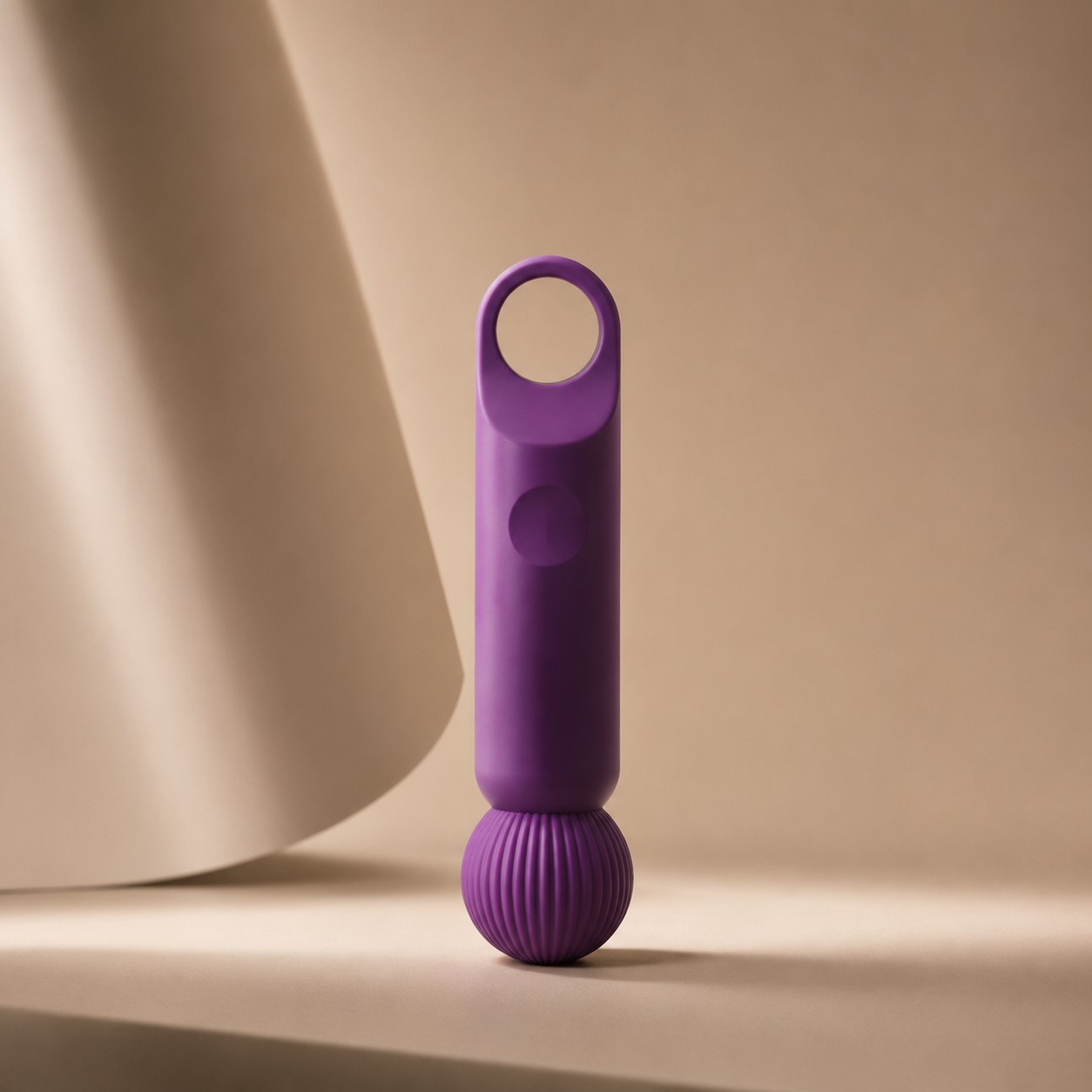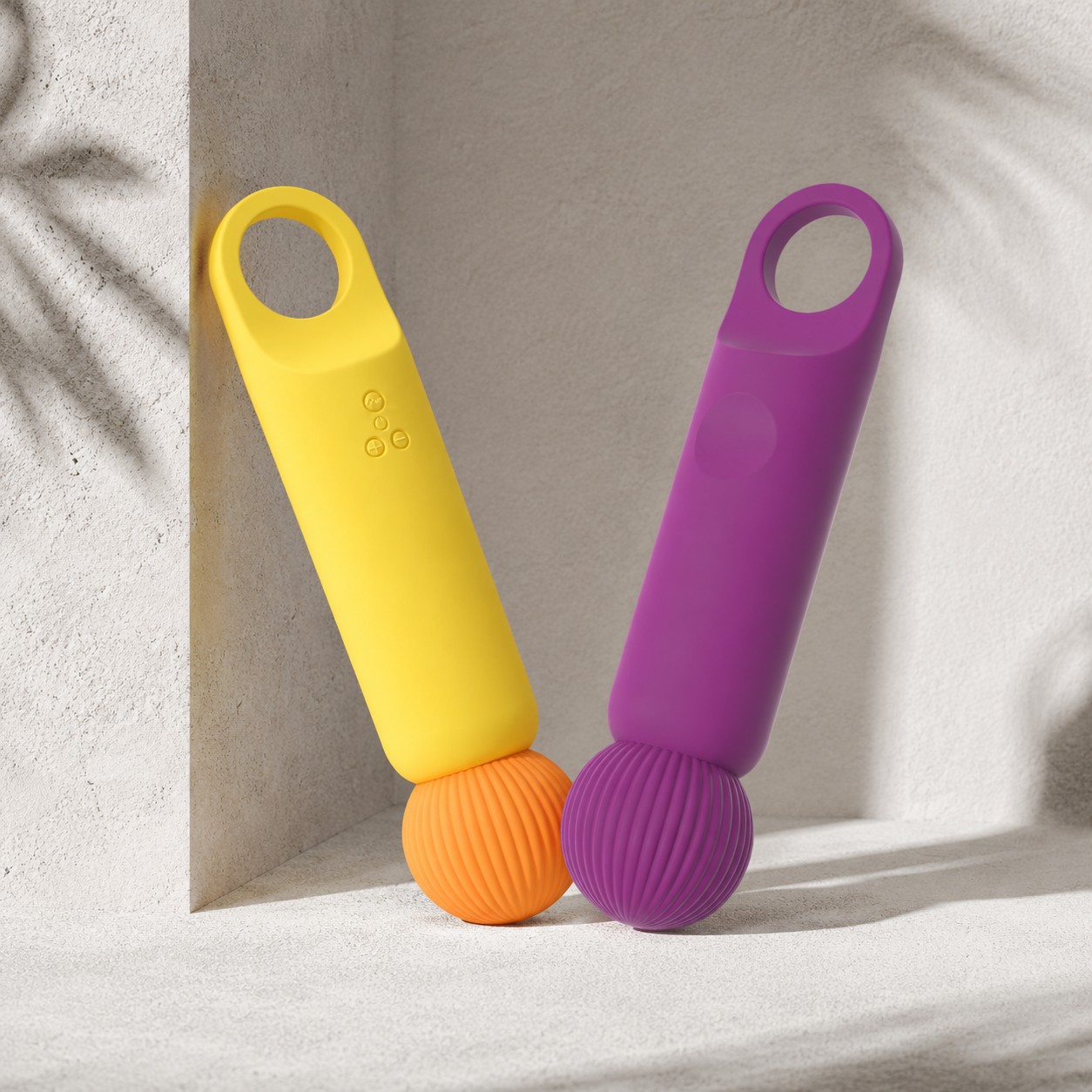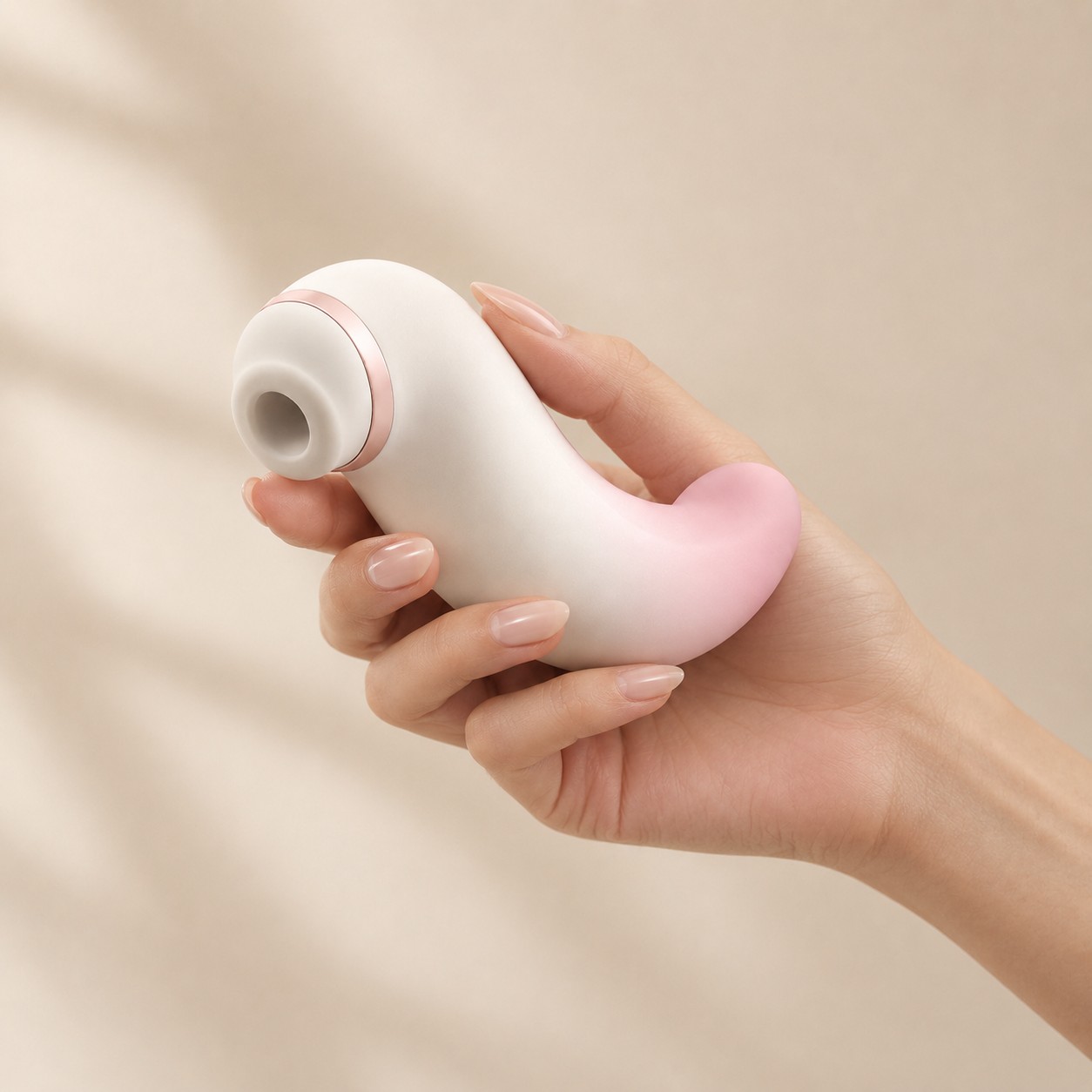
Using a sex toy for the first time doesn't have to be complicated. You don't need to master any technique. You don't need to impress anyone. You really just need one thing: to stay in control.
That means picking a toy actually designed for the body part you want to use it on. Reading the instructions (yes, really). Checking it over before you start. Learning the controls away from your body first. And beginning on the lowest setting.
Use a compatible lubricant if it helps. And if another person is involved, talk through what you're both comfortable with before anything starts—what the toy is for, who's in control, and what "pause" and "stop" look like.
You never have to tolerate pain. You never have to chase an orgasm. You don't even have to try every setting. A good first experience is one you can adjust—or end—whenever you want, no pressure required.
Pick a Toy for the Body Part—and for How Much Control You Want
Start with placement and control, not power. The easiest first toy is almost always the one you can adjust or stop quickly.
|
What it's for |
First-time priority |
Non-negotiable safety check |
|
External vulva or body stimulation |
Easy-to-reach controls and a comfortable grip |
Smooth, intact contact surface |
|
Vaginal insertion |
A manageable size, tapered shape, and secure handle or base |
Designed and sold for vaginal insertion |
|
Anal stimulation |
A beginner-friendly shape and full control during removal |
Made for anal use with a wide, flared base or reliable external stopper |
|
Penis sleeve or stroker |
Comfortable opening, lots of lube, easy to get off |
No sharp seams, tears, or parts that can trap skin |
|
Penis ring |
Flexible fit and easy to remove right away |
Follow the product's fit and timing rules; remove immediately for pain, numbness, coldness, or color change |
|
Wearable or remote-controlled toy |
A reachable off switch and clear agreement about who's in control |
The person wearing it can pause or stop it at any time, no questions asked |
If you want a broader comparison by placement and control, Joybloom's sex toys for beginners guide can help you narrow things down.
Quick reality check: more modes are not automatically better. For a first time, having straightforward, predictable controls usually matters more than how intense it can get.
And one hard rule: don't use a random household object for insertion. Just because something looks smooth doesn't mean the coating is safe for intimate tissue, the seam will hold, or you'll be able to get it back out. Stick with products actually made for what you want to do.
Read the Instructions and Check It Over First
I know, I know. Nobody likes reading instructions. But product instructions beat any generic advice because they're specific to your toy. They tell you how to charge it (or install batteries), which lubes are safe to use with it, how to clean it, whether it's waterproof, and how long you should use it for.
Before every use, run through this quick list:
- Check the surface under good light. Don't use it if you see a crack, chip, tear, rough seam, leaking battery, loose part, a weird smell that won't go away, or a sticky surface that shouldn't be sticky.
- Make sure the charging port or battery compartment is closed the way the instructions say.
- Turn it on away from your body. Figure out how to turn intensity up and down, change patterns, and switch it off—without looking.
- Check the water-resistance rating. "Water-resistant" does not mean you can submerge it, use it in the bath, or run it under the tap.
- If it has an app or remote, make sure the person wearing it can still turn it off locally if the connection dies or the controller gets lost.
If you can't figure out what it's made of, what it's for, how to clean it, or how to safely remove it, pause until you can. No toy is worth guessing with.
Before Partner Play: Talk About Consent Specifically First
Consenting to sex isn't automatically consenting to using a toy. Consenting to external vibration isn't consenting to insertion. And handing someone the controller doesn't mean you've given up the right to change your mind.
Planned Parenthood describes consent as freely given, reversible, informed, enthusiastic, and specific. In practical terms, that means agreeing on:
- which toy and which body parts are on the table;
- whether it stays external or insertion is okay too;
- who's holding the toy or the remote;
- what words or gestures mean "slower," "pause," and "stop";
- whether you're using a condom or other barrier;
- whether the toy can move between people or between different body openings.
A simple way to bring it up might sound like: "Want to try this externally on the lowest setting? You can hold it, and we can stop whenever." Silence, freezing, uncertainty, or just not saying no is not an enthusiastic yes.
If you want a fuller guide to the conversation, our article on how to introduce a sex toy to your partner has more ideas.
A Simple First-Use Sequence
The steps below work for most external and insertable toys, but always check the manufacturer's directions first—they know their product best.
- Get everything ready
Wash your hands. Clean the toy according to the instructions before first use, even if it came sealed. Put lube, a clean towel, any barriers you're using, and the toy's cap or charger within reach. Give yourself enough privacy that you won't feel rushed.
- Test the controls in your hand first
Turn the toy on and hold it in your palm. Get a feel for the lowest setting, the order of the buttons, and where the off switch is. If it already feels uncomfortably strong against your hand, don't assume it'll feel better on more sensitive tissue. It won't.
- Start externally, on the lowest setting
Starting externally gives you more information and more control. If direct stimulation feels too intense, place the toy beside the sensitive area instead of right on it. You can also start through your underwear or a thin layer of fabric.
For non-vibrating toys, "lowest intensity" means the lightest pressure, smallest movement, or least stretch—not pushing through resistance.
- Change one thing at a time
Location, pressure, speed, pattern, depth—they all affect how something feels. Change only one, then wait long enough to notice the effect. If you change everything at once, you'll never know what actually felt good (or what caused discomfort).
- Check in with actual sensation, not a goal
Ask yourself: is this pleasant, neutral, too intense, irritating, or numb? Do I want more, less, a different spot, or to stop entirely? Orgasm is one possible outcome, not a test you have to pass or a requirement.
- End while you still feel in control
Turn the toy off before you put it down or remove an insertable one. Take it out slowly, clean it as directed, and let it dry fully before you put it away.
Apply Enough Lube—and Double-Check Compatibility
Lube reduces friction, which is great. But making things more slippery doesn't somehow make an unsafe shape or painful activity safe. Don't use lube to power through something that hurts.
Water-based lube is usually the most practical starting point because it works with most toys and barriers. That said, always check the labels on both products. Silicone lube can break down some silicone toys. Oil-based lube can weaken latex condoms. Formulas vary a lot, so don't just go by color, texture, or marketing.
For anal play, use plenty of lube and reapply as needed. The anus doesn't make its own lubrication, and friction or sudden movement can damage delicate tissue. And never, ever use a numbing product to mask pain. Pain is information you need so you can stop or adjust.
The Joybloom's lubricant compatibility checker can help you compare a toy, lube, and barrier before you use them together.
Stop using a lube or toy immediately if it causes burning, itching, swelling, a rash, or ongoing irritation. Wash it off if you can, and see a doctor if symptoms are severe or don't go away.
Extra Care With Insertable and Anal Toys
Insertion should never feel like a test of endurance. Use lube. Go slow. Stop if you feel resistance or pain. More pressure is never the answer when your body is saying no.
For anal use, only use a toy specifically designed for anal play with a wide, flared base or another reliable stopper that stays completely outside the body. The rectum can pull an object in beyond your reach. A narrow handle, a string, or a suction cup not designed as a stopper doesn't count. It's just not safe.
And don't move a toy from the anus to the vagina without cleaning it thoroughly first (and replacing the barrier if you're using one). This cuts down on bacteria getting passed between body parts.
If something does get stuck in your rectum, do not try to fish it out with another object. Go to urgent care or the ER. Doctors deal with this all the time—being honest about what happened and what the object is helps them treat you safely and quickly.
Sharing Toys: Use Barriers and Have a Plan
Sex toys can carry bodily fluids and pass infections when shared. Cleaning helps, but the right method depends on the toy's material and how it's made.
If you're sharing a toy:
- Check whether the product is actually designed for sharing and what the manufacturer says about cleaning it.
- Put a new compatible condom or barrier on the toy when appropriate.
- Replace the barrier before the toy touches a different person or a different body opening.
- Clean the toy according to the instructions after use.
A barrier reduces direct contact, but it can't fix a damaged surface or make every porous toy easy to sanitize. If you can't clean it reliably or cover it fully with a barrier, keep that toy for one person and one body area only.
Clean, Dry, and Store It the Right Way
There's no one cleaning method that works for every sex toy. Motors, charging ports, seams, surface materials, and water-resistance ratings all change what's safe.
Follow this order:
- Turn it off and unplug it.
- Take out the batteries if the instructions say to.
- Wash or wipe the surface using whatever method the manufacturer approves. Mild, unscented soap and water works for many products, but not all powered toys can get wet.
- Pay attention to grooves and the seams around removable parts, but don't pry open sealed components.
- Rinse if the instructions say to, then let it dry completely before charging or storing.
- Store it separately in a clean pouch or container, away from heat, dust, and direct sunlight.
Don't boil, bleach, dishwash, or submerge a toy unless the instructions specifically say you can. And always inspect it again before the next use—if the surface or how it works has changed, replace it.
Know When to Stop Immediately
Stop right away if you notice any of these:
- sharp, escalating, or tearing pain;
- burning, pinching, or skin getting caught;
- bleeding;
- ongoing numbness or loss of normal feeling;
- swelling, coldness, or color change in tissue inside a constriction ring;
- unusual heat, noise, smell, leaking, or loss of control from the device;
- an insertable toy moving past where you can reach it.
Remove the toy if you can do it gently. Get urgent medical care for severe pain, heavy or continuing bleeding, something stuck in the rectum or vagina, inability to pee, or a ring you can't remove and circulation seems affected. For ongoing irritation, discharge, odor, sores, or pain, see a healthcare provider or sexual health clinic.
Common First-Time Issues (and How to Fix Them)
|
What's happening |
Try this |
|
Vibration feels way too intense |
Move it beside the sensitive area, turn it down, or add a layer of fabric |
|
Sensation starts to feel numb |
Stop and let normal feeling come back; use less pressure or a different spot next time |
|
Insertion feels dry or uncomfortable |
Add more compatible lube, go smaller or shallower, slow down, or go back to external touch |
|
Can't find the off button fast enough |
End the session and re-learn the controls before you try again |
|
Remote-controlled setup feels weird or scary |
Give the person wearing it the controller, or keep their hand on a local off switch |
|
Too many patterns are distracting |
Pick one steady low setting and ignore the rest |
|
Feeling pressure to "finish" |
End the session; curiosity and learning about your body count as a complete experience |
If the same pain or numbness keeps coming back, stop experimenting around it and talk to a healthcare provider.
Your Number One First-Time Rule
Pick the option that's easiest to adjust, remove, clean, and stop. Read the actual instructions, keep consent clear and ongoing, start lower than you think you need to, and treat discomfort as a signal to respond—not a hurdle to power through.
The best first use isn't about proving how much intensity you can handle. It's about learning what sensations your body welcomes, and feeling comfortable enough to choose what happens next.