When people have kids, most of the discussions are mainly about diapers, lack of sleep, feeding times, and the healing process of the body—but after a few months/years, many couples may privately think about how their physical closeness might change.
When people think about this topic, they may ask what sex life will be changed after a birth.
For certain individuals, sex life may lack emotional connection for a period of time since they are focused on the baby too much. There are some people who are worried and anxious as they think their bodies are not ready for physical touch. But also, surprisingly, there are some people who have a greater sexual drive than they did before they gave birth.
It's the fact that physical intimacy after a birth is not an easy or direct experience, and this state is very common for most of the couples/individuals.
How Long Can You Have Sex After Birth?
One of the most common suggestions from healthcare specialists is to wait until the postpartum medical inspection is completed before resuming penetrative sex. For most females, this could happen around 6 weeks after delivery, whether the birth was vaginal or via C-section.
Medical experts explain that the body needs time to recover because:
- vaginal tears may still be recovering
- bleeding and discharge may continue
- the uterus and pelvic floor need time to heal
- infection risk is higher in the early postpartum period.
However, “6 weeks” is not a magic number. Some may feel ready earlier. Others may still need several months to feel comfortable during sex again.
That variation is completely normal.
Why Sex Can Feel Different Postpartum
Many women are surprised that postpartum sex may feel:
- dry
- tight
- emotionally overwhelming
- uncomfortable
- hurt
- or simply unfamiliar.
Hormonal changes after birth — especially while breastfeeding — can lower estrogen levels, leading to vaginal dryness and reduced natural lubrication.
Pelvic floor muscles may also feel weaker or strained after pregnancy and labor. According to the Mayo Clinic, pelvic floor recovery plays a major role in how intimacy feels after birth. Kegel exercises and pelvic floor therapy are strongly recommended during recovery.
Scar tissue from tearing or episiotomies can also make a female feel uncomfortable during penetrative sex in the early months postpartum.
Here’re our top picks!

The Emotional Part That Nobody Warns You About
Physical healing is only one part of the equation.
Sleep deprivation, hormonal shifts, body shape changes, breastfeeding, stress, and postpartum anxiety can all affect libido.
Some women feel emotionally disconnected from their bodies after childbirth. Others mention they feel touched out from caring for a newborn all day.
According to postpartum health experts, intimate life after birth becomes less about “getting back to normal” and more about learning a completely new way of closeness. And for many couples, it takes time to adjust.
What Real Women Say Online
One reason postpartum intimacy has been discussed online is because many women found that their experience is far more common than they thought.
In Reddit discussions, recurring themes include the following:
- fear of pain
- anxiety before the first time
- more lubricant needed
- emotional hesitation
- and frustration when recovery takes longer than expected.
One Reddit user wrote:
“We tried at 6 weeks and it was horrible.”
Another explained:
“By 6-7 months we were back to normal.”
Others emphasized that patience mattered more than rushing:
“Lots of lube, romance, foreplay, and candles worked for me.”
Interestingly, not every postpartum experience involves low libido.
One user shared that her sex drive actually increased a lot several months postpartum, explaining that communication with her partner became even more important after having a baby.
Why Lubrication Matters More After Pregnancy
Many postpartum healthcare guides specifically recommend using more lubricant after childbirth because vaginal dryness is extremely common, especially during breastfeeding.
Water-based lubricants are often preferred because they:
- reduce friction
- feel lighter
- work well with silicone sex toys
- and are typically easier on sensitive tissue.
Doing slowly and prioritizing comfort over performance usually creates a much better experience during postpartum recovery.
How Sex Toys Can Help During Postpartum Intimacy
Another topic is becoming more openly discussed is the role that sex toys can help during postpartum recovery and positive intimacy rebuilding.
For many women, going back into penetrative sex at once can feel physically or emotionally overwhelming. Gentle external stimulation may feel more comfortable and acceptable while reconnecting with the body gradually.
Some couples also use vibrators during postpartum intimacy because:
- external stimulation may feel more caring
- arousal can help improve natural lubrication
- toys may reduce pressure around “performance”
- and slower exploration can feel emotionally safer
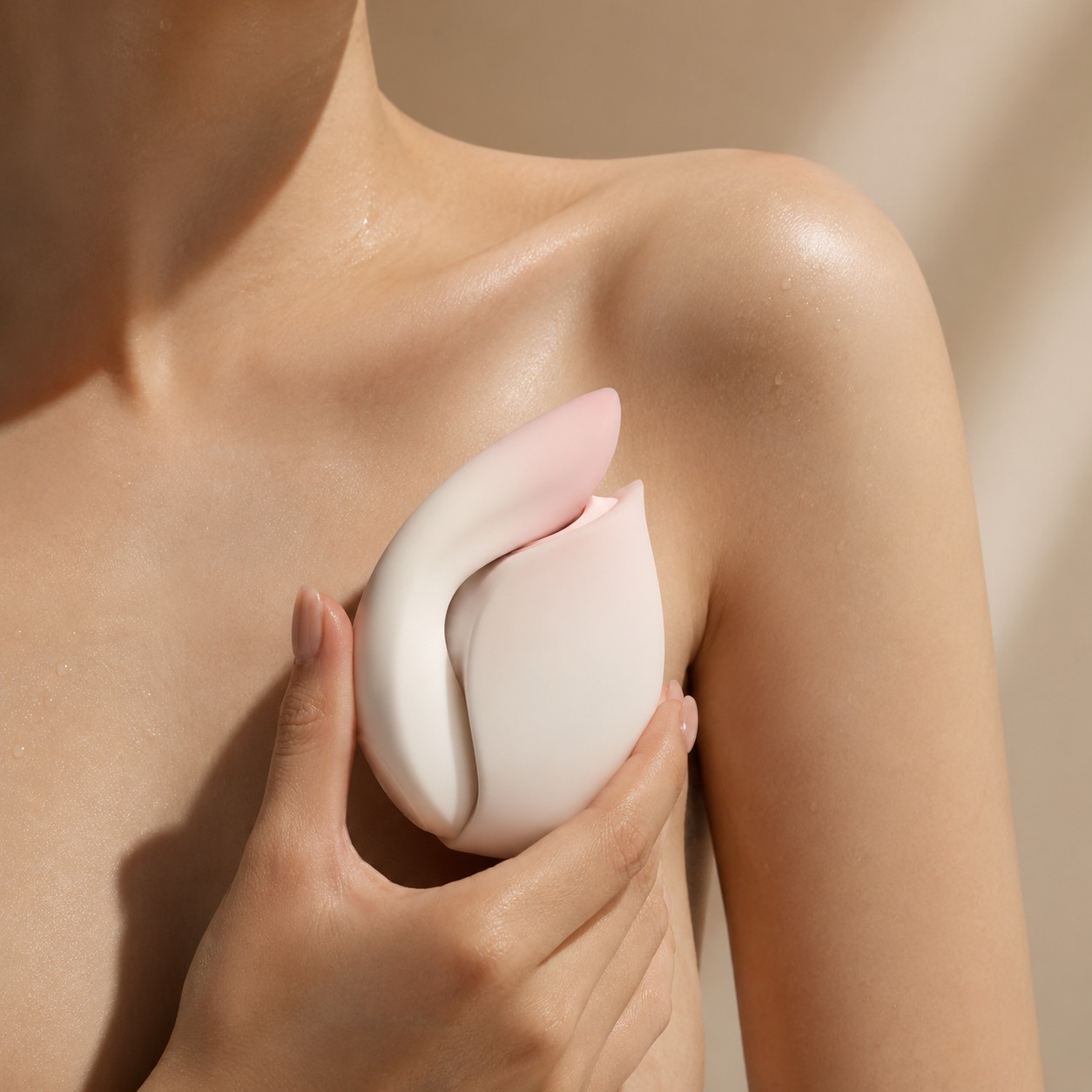
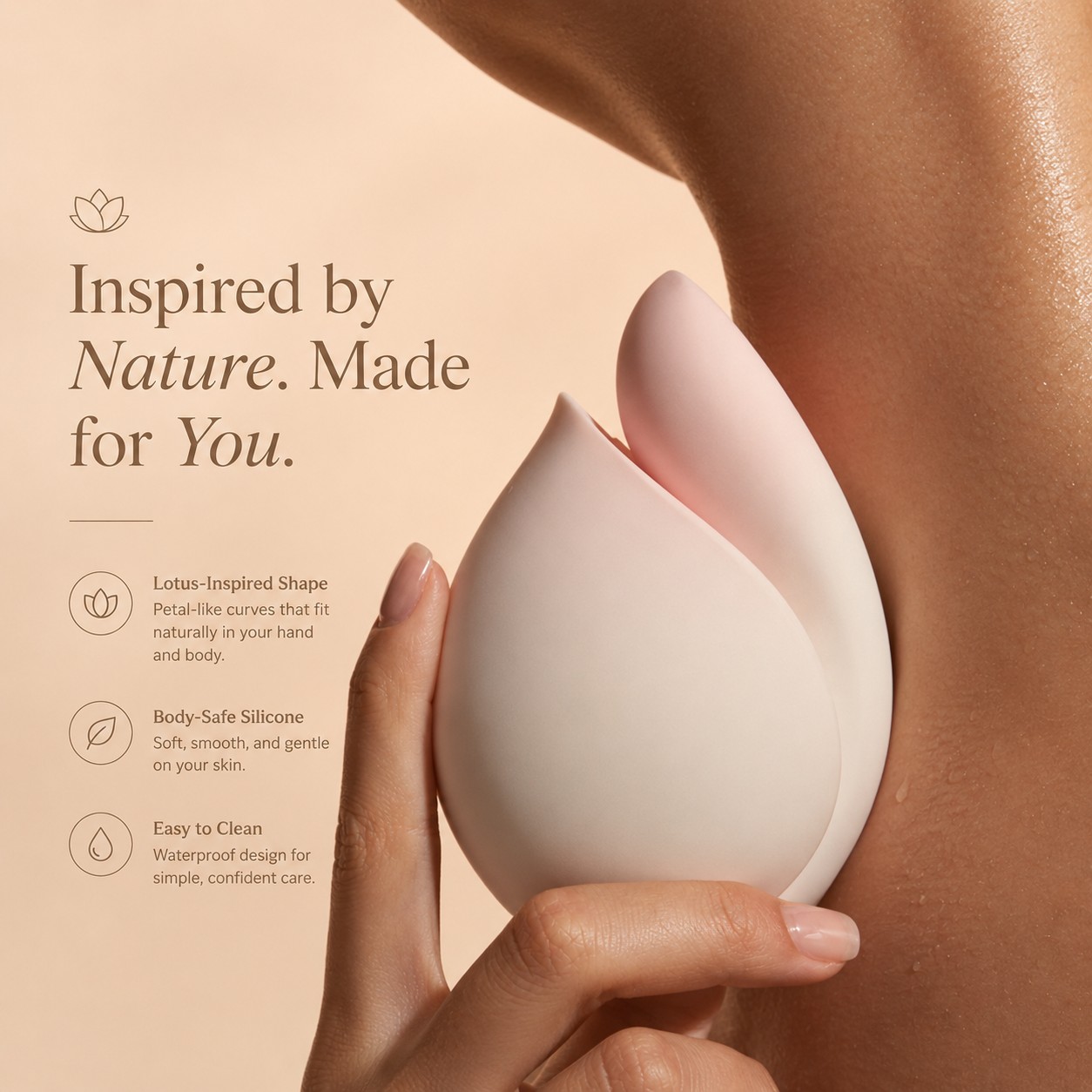
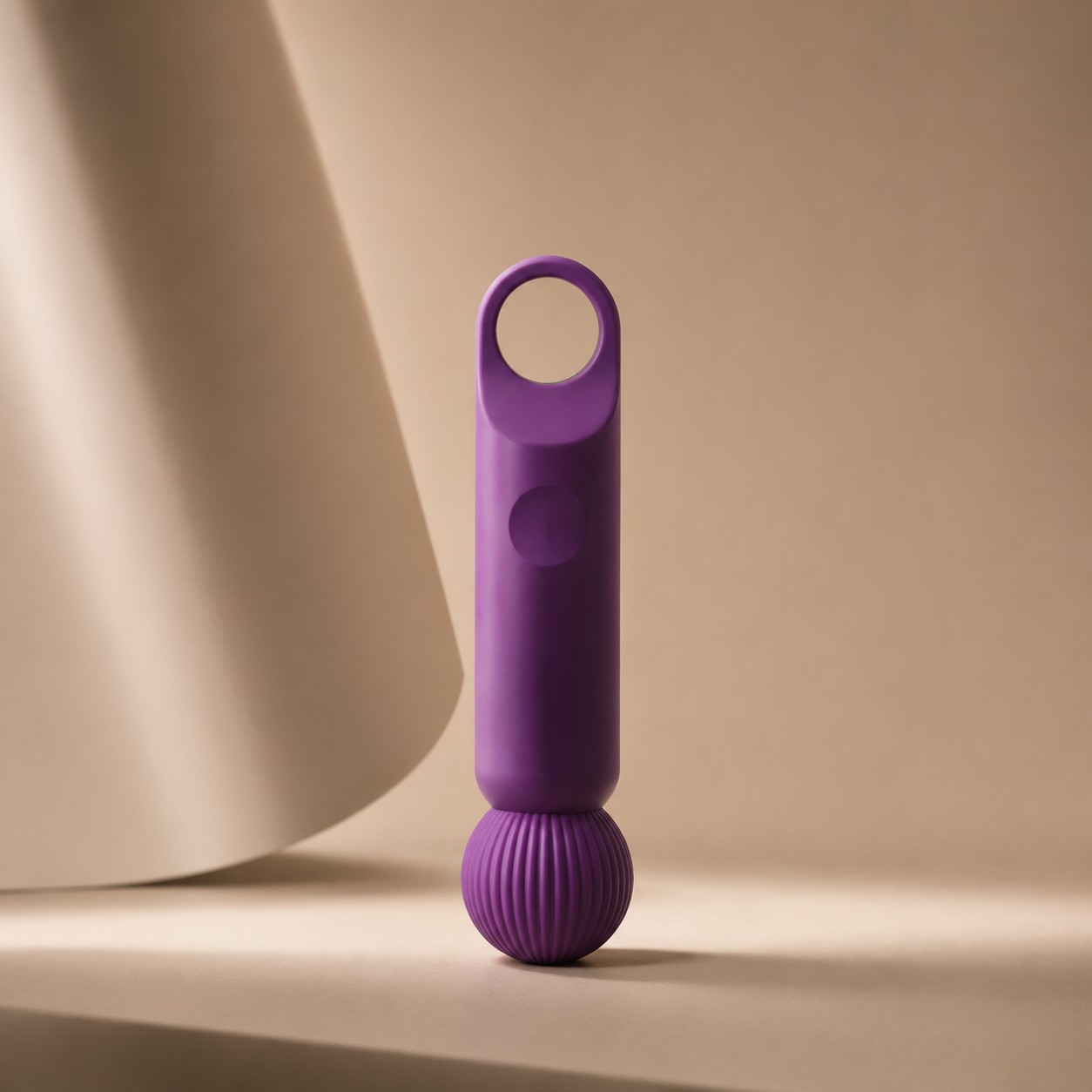
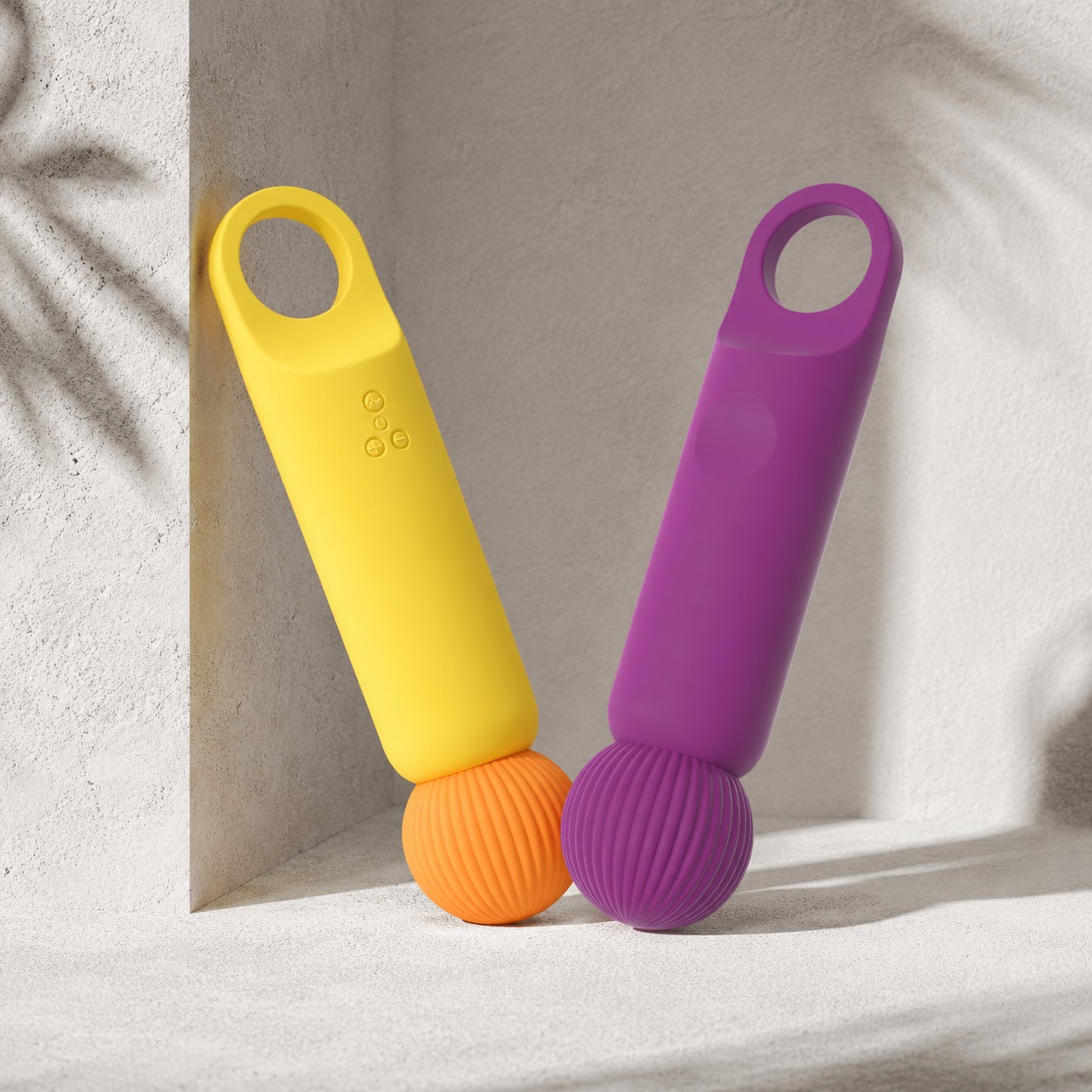
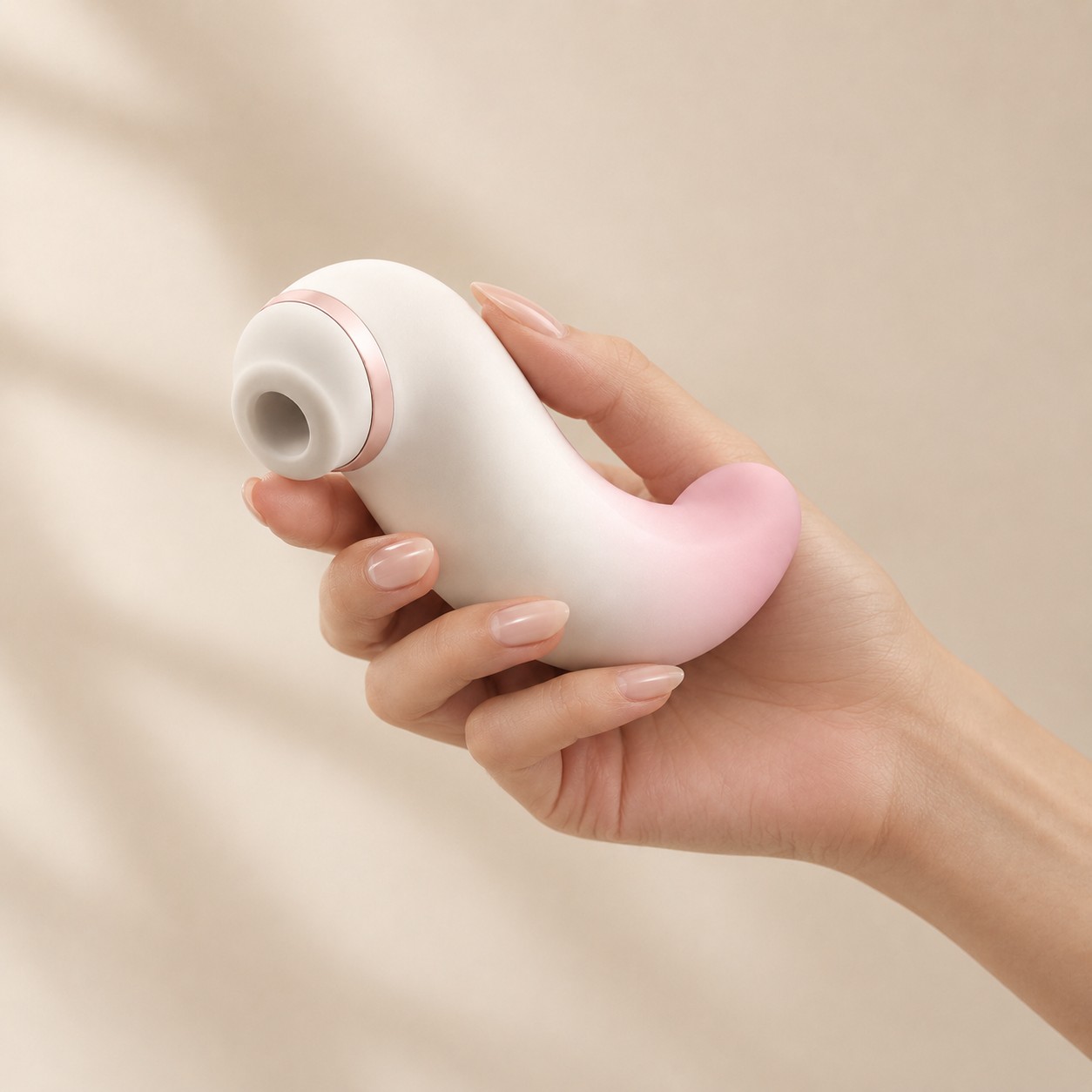
We, The Joybloom, as a modern wellness-focused brand, design products focused on softer stimulation, ergonomic comfort, and explorer-friendly control instead of overly aggressive intensity.
For example, thoughtful external toys and softer dual-stimulation products may feel less intimidating during postpartum recovery compared to stronger high-intensity devices.
Compact wearable products can also help couples rebuild intimacy gradually without immediately focusing on penetration.
Communication Becomes More Important Than Ever
The most important thing experts will repeat is postpartum intimacy should not be rushed.
Many sex educators encourage couples to:
- talk openly about discomfort
- be relaxed during intercourse
- prioritize emotional closeness
- and explore together slowly what feels comfortable.
Intimacy after birth may include:
- cuddling
- massage
- oral sex
- mutual touch
- masturbation
- or simply spending time together without setting too much expectations
For many couples, rebuilding emotional connection as the first step actually helps physical intimacy later.

Birth Control Still Matters Postpartum
A common misunderstanding is that pregnancy cannot happen again in a short period after childbirth.
However, medical experts warn that ovulation may return back to normal before the first postpartum period arrives.
Some research also suggests waiting at least 18 months between pregnancies may reduce certain health risks.
That’s why doctors often bring up the postpartum birth control conversations before people leaving the hospital after delivery.
The Bigger Picture
Postpartum intimacy is not about “bouncing back.”
It’s about:
- healing
- communication
- patience
- body awareness
- and rediscovering comfort at your own pace
- deeper understanding between couples
Some women feel ready in weeks after delivery. Others need months. Both situations are normal.
And perhaps the most important thing to remember is your postpartum sex life does not need to look exactly like it did before, as long as you are healthy, enjoyable, and fulfilling.