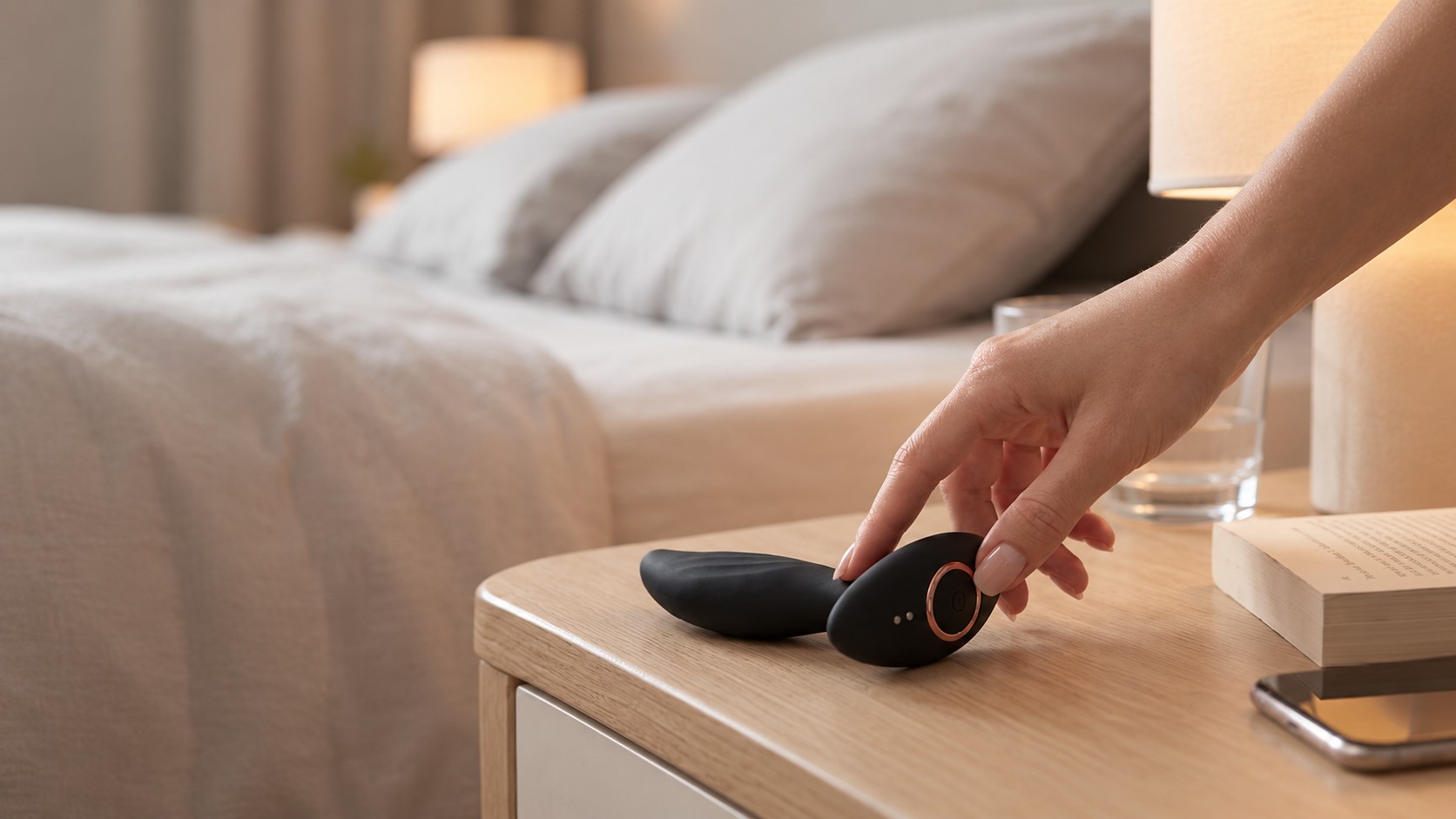
Most people who look up homemade sex toys start from curiosity.
You might not want to spend money yet, or feel shy about buying your first toy, or simply wonder whether something already in your room could feel similar.
That curiosity is completely normal.
But intimate products are different from everyday objects. They touch sensitive skin and mucous membranes, where small injuries, trapped bacteria or chemical residue matter far more than they would on your hand or arm.
So the safest answer is also the clearest one: Do not use random household objects for vaginal, anal or internal stimulation.
This article will not teach you to make an insertable DIY toy, because that advice carries real injury risk. Instead, it explains what makes many homemade options unsafe, what “body-safe” means and how to choose safer alternatives without pressure.
Why Homemade Sex Toys Can Be Risky
An object around the house was never designed for sex.
That sounds obvious, but it is easy to forget when an object looks smooth, rounded or “close enough.”
The problem is not only shape. It is the full safety profile:
- What is the object made from?
- Is the surface porous?
- Can it be cleaned thoroughly?
- Does it have seams, cracks or coatings?
- Could part of it break, splinter or detach?
- Is it wide enough at the base for anal use?
- Could it create suction or become stuck?
- Is it compatible with lubricant and body fluids?
- Was it ever tested for intimate contact?
A real pleasure product is built around those questions. A household object rarely is.
This matters because emergency departments do see these injuries. Emergency-department studies have documented genital foreign-body injuries and retained rectal foreign bodies, including cases with sex toys and other consumer products.
Most curiosity does not end in an emergency, but preventable risk is worth taking seriously.
The Biggest DIY Mistake: Internal Use
The riskiest DIY sex toy ideas usually involve inserting objects that were never designed to enter the body.
That includes objects that are:
- Breakable
- Sharp-edged
- Porous
- Painted
- Coated
- Battery-powered without waterproofing
- Too small to retrieve safely
- Not designed with a secure base
- Made from unknown plastic or rubber
For vaginal use, the main concerns are irritation, small tears, trapped bacteria, chemical exposure and pain.
For anal use, the risk is higher because the rectum can pull objects inward. Anything used anally needs a flared base or a design that prevents full insertion, or it can become retained and need medical removal.
One clinical report described retained rectal foreign bodies as an increasing, partly preventable condition, with some cases needing removal under anesthesia.
That is why “it looks smooth” is never enough on its own.
A safe design needs the right material, shape, base and cleaning method.
What About External DIY Ideas?
External touch is lower risk than internal use, but “lower risk” is not risk-free.
Hands, skin-safe massage, soft fabric over clothing and a partner’s hand are very different from a random vibrating device, hard object or heated household item.
Be especially cautious with anything that involves:
- Electricity near moisture
- Heat
- Strong suction
- Sharp vibration
- Adhesives
- Rough texture
- Unknown coatings
- Shared objects that cannot be cleaned
- Devices not meant to touch intimate areas
A personal massager, for example, may be made for shoulders and back muscles, not vulvar tissue, penile skin or perineal areas, and its surface, intensity and cleaning design may not suit intimate use.
If you are exploring externally, keep the safest principles in mind: clean hands, gentle pressure, no pain, no numbness, no broken skin and no pressure to continue.
Consent matters too. Planned Parenthood explains that consent is active, pressure-free and can be withdrawn at any time.
A safer experience is about communication as well as objects.
Materials to Avoid for DIY Sex Toys
The hardest part of judging a homemade toy is not knowing what it is made of.
Many household items are plastic, rubber, coated metal, painted wood, glass or mixed materials. Even if the surface feels smooth, you may not know what additives, dyes, adhesives or coatings are present.
Be cautious with:
Porous Materials
Porous materials trap moisture, residue and microbes in tiny spaces, so even after washing they may not be truly clean for repeated intimate use.
This includes many soft plastics, foams, sponges, rubbery blends and natural materials.
Painted or Coated Objects
Paint, glaze, varnish, metallic coatings and decorative finishes may not be safe for intimate contact. They can chip, peel or react with lubricant.
Breakable Glass or Hard Plastic
Glass sex toys are made from specific durable materials such as borosilicate glass. A random glass object is not the same thing. Thin or decorative glass can crack or shatter.
Food Items
Food may seem harmless because it is edible, but it is not designed for insertion. It can break, leave residue, irritate tissue or introduce bacteria.
Mystery Rubber or Jelly Materials
Soft, stretchy and rubbery materials can feel comfortable at first, but many are harder to evaluate. If the material is not clearly disclosed, it is difficult to know whether it contains plasticizers, fragrances or other additives.
A 2023 exploratory study tested several commercially available sex toys and found microplastic or nanoplastic particles after abrasion testing, as well as phthalates in the tested samples. The authors noted that the small sample was not representative of all sex toys, but it highlights why material transparency matters.
If this concern exists even in some commercial products, it is a stronger reason not to trust unknown household materials.
What Makes a Sex Toy Body-Safe?
A body-safe sex toy is not just “smooth.”
For intimate use, a better product should offer:
A clearly disclosed material
A nonporous surface
Body-safe silicone, glass, stainless steel or ABS plastic where appropriate
A shape designed for the intended body area
No sharp seams or rough edges
Waterproofing or water resistance when cleaning requires it
Lubricant compatibility guidance
A secure base for anal products
A design that can be stopped, removed or adjusted easily
For silicone toys, food-grade silicone is a strong consumer-friendly material choice because it is smooth, stable, flexible and nonporous when properly manufactured. FDA food-contact rules for repeated-use rubber articles include silicone basic polymer and define limits around extractables under specific test conditions.
That does not mean every silicone product is identical; brand transparency, manufacturing quality and care still matter.
Compared with random household objects or vague “soft rubber,” clearly disclosed silicone is a much better starting point.
The Safer Alternative: Start With a Simple Beginner Toy
If you searched for homemade sex toys because you are new, curious or nervous about buying a product, you do not need to jump into something complicated.
The safest beginner choice is usually simple, gentle and easy to control.
Look for:
External-use options
One-button control
A low starting intensity
A small, easy-to-hold shape
Food-grade silicone
Water-based lubricant compatibility
No app or account requirement
A product you can stop using immediately
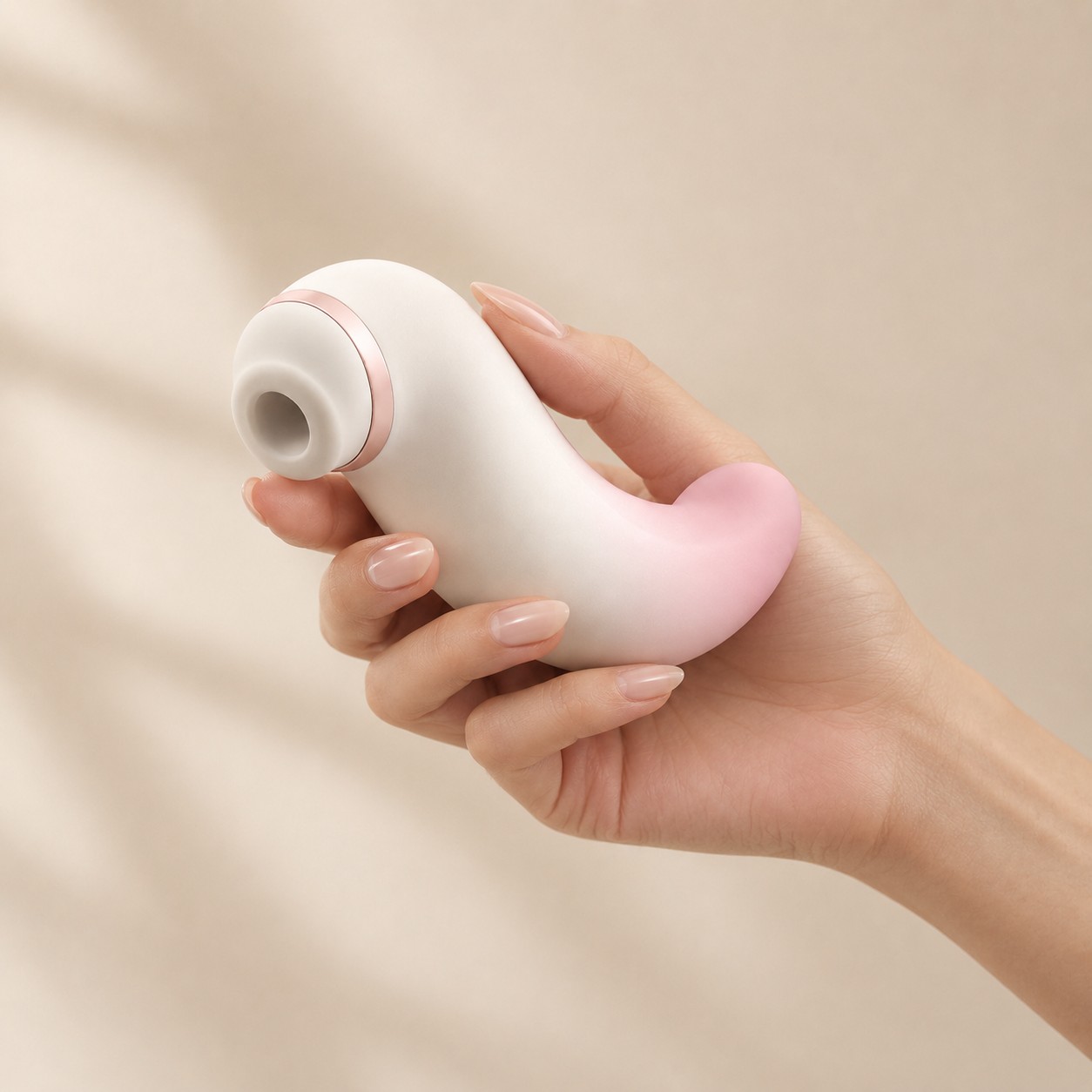
Joybloom’s sex toys for beginners collection is organized by sensation, placement and control, including external-first options, soft insertion choices and beginner-friendly designs. The collection also emphasizes simple controls, body-safe materials and the ability to start at a low setting.
That is a much safer path than improvising with an object that was never designed for intimate contact.
A Better First Option Than DIY: Lola
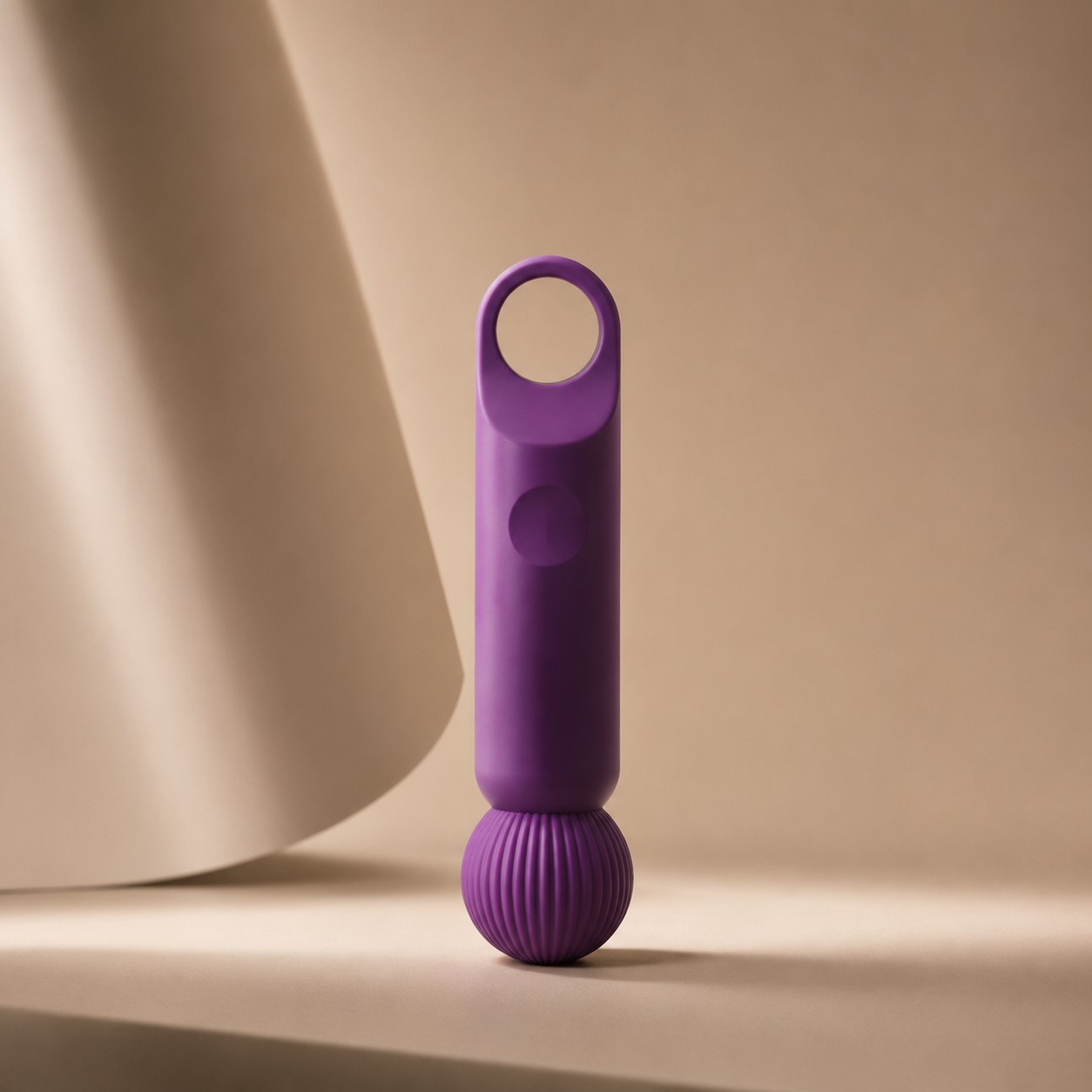
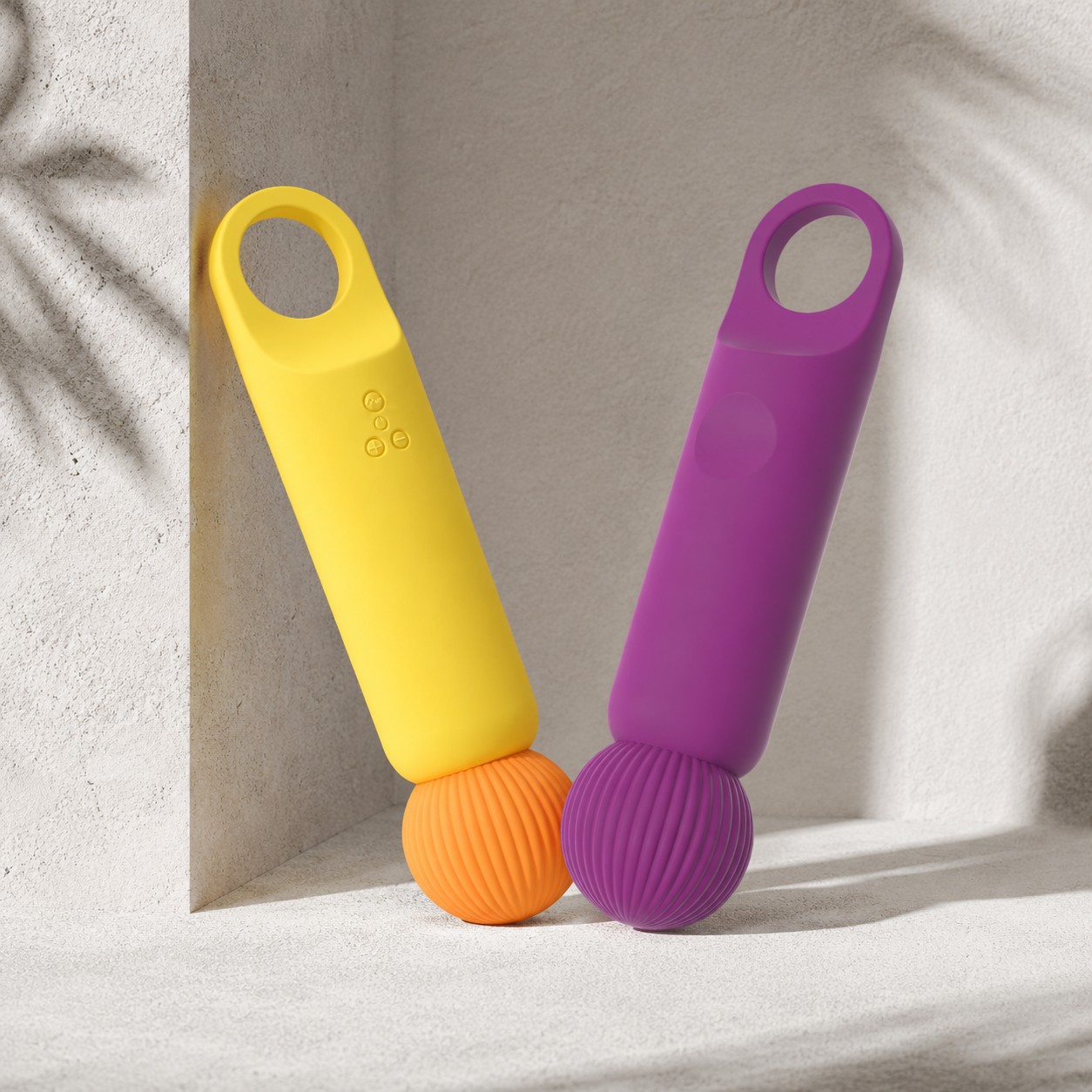
If you want a compact alternative to homemade experimentation, Lola by The Joybloom is a practical first step.
Lola is listed as a versatile internal and external vibrator with one-button control, 10 vibration patterns, up to 70 minutes of play and an IPX6 waterproof rating. Its product page also states that it is made from food-grade, phthalate-free silicone with a seamless, easy-to-clean surface.
For someone tempted by DIY, the real benefit is not just vibration.
It is control.
A purpose-built product gives you:
A known contact material
A smoother surface
A designed shape
Clear use and care guidance
Lower risk of breakage
A product that can be cleaned properly
A more predictable experience
DIY may feel cheaper now, but uncertainty carries a cost.
Do Not Skip Lubricant
Many people turn to DIY because they are trying to reduce friction or create a smoother sensation.
A safer answer may be lubricant, not a homemade object.
A water-based lubricant can help reduce unwanted friction during solo or partnered exploration. It is also a practical default for many silicone toys, although you should always check both the toy instructions and lubricant label.
Joybloom’s VelvetGlide Water Soluble Lubricant is a fragrance-free, water-based formula designed for smooth texture, easy cleanup and toy-friendly use.
Lubricant does not make an unsafe object safe. It cannot fix sharp edges, porous materials or the lack of a flared base.
With a body-safe product, it makes exploration smoother and more comfortable.
Red Flags: Stop Immediately
Whether you are using a real toy, your hands or a body-safe product, stop if you notice:
- Pain
- Burning
- Sharp pressure
- Bleeding
- Numbness
- Swelling
- Rash
- Persistent irritation
- A stuck or retained object
- Discharge or odor after use
- Fear or pressure to continue
ACOG recommends seeing an ob-gyn or another healthcare professional if sex is frequently or severely painful.
If an object is stuck internally, do not use tools to remove it. Do not wait because of embarrassment. Seek urgent medical care. Healthcare professionals have seen these situations before, and timely care reduces risk.
What If You Already Used a Household Object?
First, do not panic.
Check in with your body.
If there is no pain, bleeding, irritation or retained object, wash the area gently with water and avoid putting anything else inside the body. Do not douche or use harsh cleansers.
Monitor for symptoms over the next day or two.
Seek medical care if you notice pain, bleeding, unusual discharge, fever, swelling, burning, a cut, a bad odor or any object that cannot be removed easily.
For next time, treat the experience as information. Curiosity is normal. The better response is not shame. It is choosing safer tools.
How to Choose a Body-Safe Alternative
Before buying, ask these questions:
- Is the material clearly listed?
- Is it nonporous?
- Is it designed for the body area you want to explore?
- Does it have a secure base if used anally?
- Is the surface smooth and free of sharp seams?
- Does the product explain cleaning?
- Does the brand explain lubricant compatibility?
- Can you start at a low intensity?
- Can you stop or remove it easily?
- Does the product feel emotionally approachable?
A good first toy does not need to be extreme. It needs to be clear, safe, comfortable and easy to use.
That is why beginner-friendly silicone products are often better than trying to recreate a sensation with whatever is nearby.
Frequently Asked Questions
Are homemade sex toys safe?
Homemade sex toys are often risky, especially for internal use. Most household objects are not made from body-safe materials, may be porous or breakable and are not designed for safe cleaning or retrieval.
Can I make a DIY insertable sex toy?
It is not recommended. Insertable products need appropriate material, shape, surface finish, size and safety features. Random objects can cause irritation, injury, breakage or become stuck.
What materials should I avoid for DIY sex toys?
Avoid porous materials, food items, painted objects, coated surfaces, mystery rubber, jelly materials, thin glass, hard plastic with seams and anything sharp, fragile or difficult to clean.
What can I use instead of a homemade sex toy?
Choose a body-safe product made for intimate use. For beginners, compact silicone vibrators, external stimulators and water-based lubricant are safer alternatives than household objects.
Is silicone safer than TPE or TPR?
High-quality silicone is generally preferred for reusable intimate products because it is nonporous, stable and easier to clean. TPE and TPR can vary widely by formulation and may be more porous or harder to fully evaluate.
Can lubricant make a DIY object safe?
No. Lubricant can reduce friction, but it cannot fix unsafe material, sharp edges, porosity, breakage risk or the lack of a secure base.
What should I do if something gets stuck?
Seek urgent medical care. Do not try to remove a retained object with tools, and do not delay care because of embarrassment.
What is the safest first sex toy?
A safer first choice is usually a simple, body-safe silicone product with low intensity, easy controls and clear cleaning instructions. External vibrators are often a calmer starting point for beginners.
The Takeaway
Homemade sex toys often start with curiosity, but curiosity deserves better than guesswork.
The safest products are designed for the body from the start: clear materials, smooth surfaces, nonporous textures, easy cleaning and shapes that cut preventable risk.
Do not use random household objects internally. Do not rely on lubricant to make unsafe materials safe. Do not ignore pain, bleeding or anything stuck.
If you want to explore, choose a tool made for that purpose.
Start simple. Start body-safe. Start with something you can understand, clean, control and stop using at any time.
Your body is not where you run trial-and-error experiments.
It deserves a better alternative.