If you are picking out your first sex toy, here is what nobody tells you. Start with the sensation and the placement you actually want. A non-vibrating dildo gives you manual control over pressure and movement, and people usually pick it for insertion. A vibrator adds motorized sensation, and depending on the design, you can use it externally, internally, or both.
Neither is automatically better for a beginner. A compact external vibrator might be simpler if you do not want insertion. A smaller, non-vibrating dildo might be a better fit if you want to explore internal pressure at your own speed.
And the names can overlap. A vibrating dildo is an insertable toy that also vibrates, so read the actual functions and intended use instead of deciding from the label alone.
Dildo vs. Vibrator at a Glance
|
What matters |
Non-vibrating dildo |
Vibrator |
|
Main sensation |
Pressure and movement that you or a partner provide |
Vibration, sometimes combined with pressure and movement |
|
Placement |
Usually designed for insertion; some shapes also allow external touch |
Depends on the design: external, insertable, or both |
|
Control |
Adjust by changing your hand movement, angle, and pressure |
Adjust placement and pressure; motor speed or pattern adds another control |
|
Power and sound |
No charging or motor noise |
Usually needs a battery or charge; motor sound varies |
|
First-use question |
Does its size, shape, and grip feel manageable? |
Can you reach the off switch and start at a comfortable low setting? |
|
Partner use |
Agree on placement, depth, and who guides movement |
Agree on placement, intensity, and who controls the buttons or remote |
This is a comparison of product types, not a test of specific models. Shape, material, dimensions, and care instructions still determine whether a particular toy works for you.
Which Sensation Actually Sounds Better to You?
Go with a non-vibrating dildo if you want to explore the feel of an insertable shape without adding motorized buzz into the mix. You control the pressure and the pace with your hand, and you stop immediately by stopping the movement. That level of control can be really appealing if you are new and prefer one sensation at a time.
The trade-off? Insertion takes more preparation, the right lube, and real attention to size and comfort. A dildo is a bad choice if you do not even want insertion but you are buying it because it looks like the familiar option.
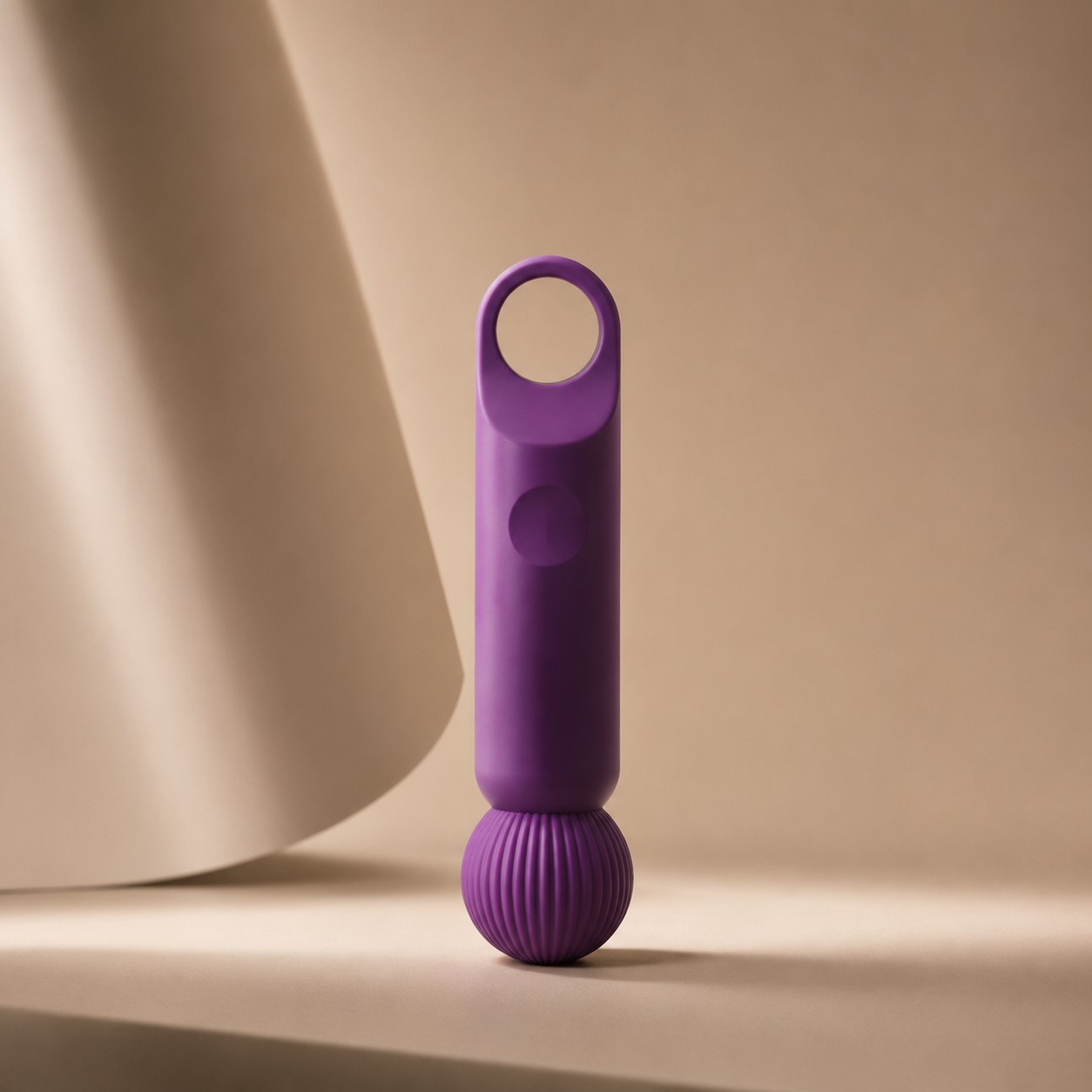
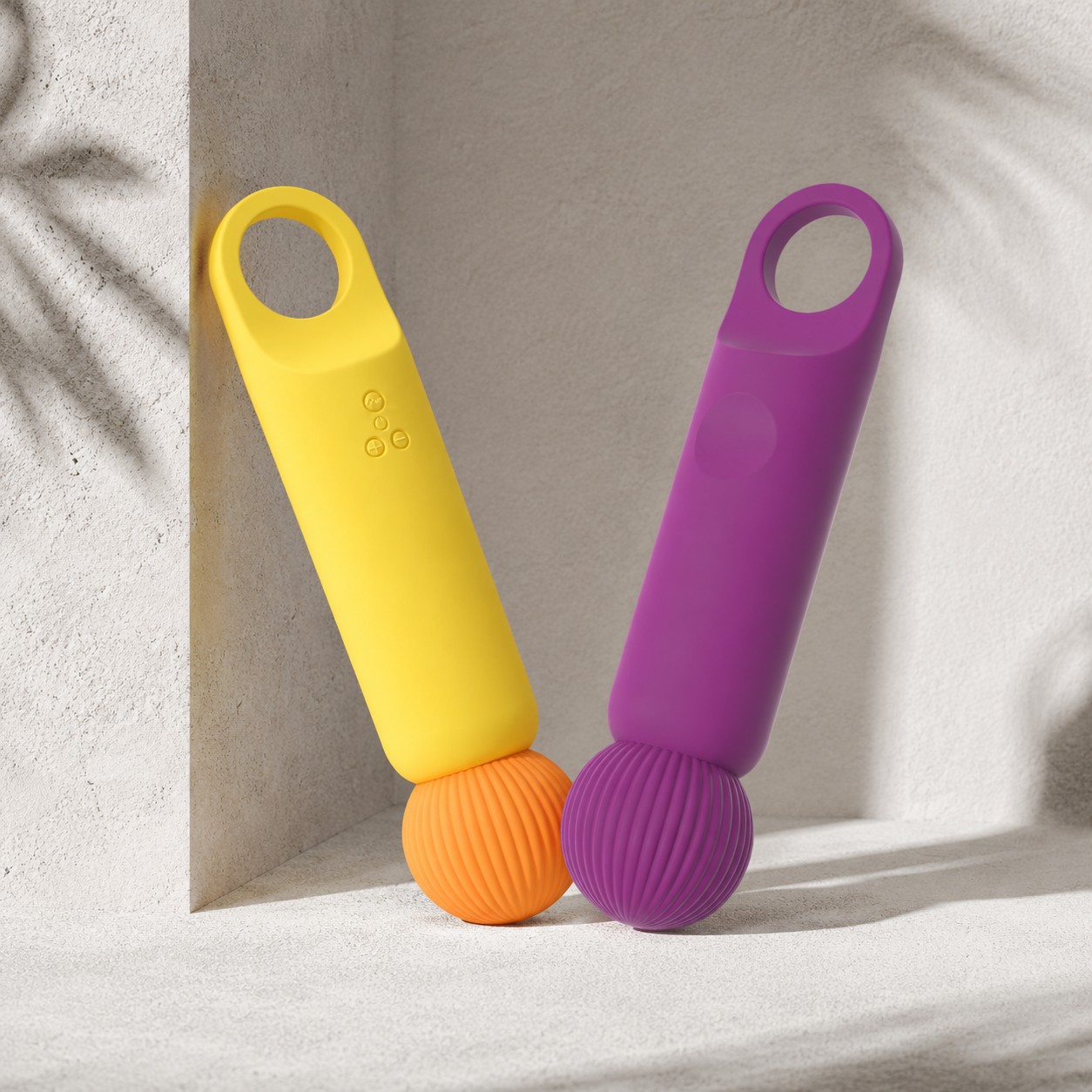
Go with a vibrator if you are curious about that buzzing or pulsing feeling, especially on the outside of your body. A small external model lets you move it away or turn it off without committing to insertion. The downside? Some motors or lowest settings can still feel too intense. Check the controls and start with light contact. More settings do not equal a better experience.
If you want both internal pressure and vibration, an insertable vibrator combines them. That versatility only matters if the shape and controls actually work for you.
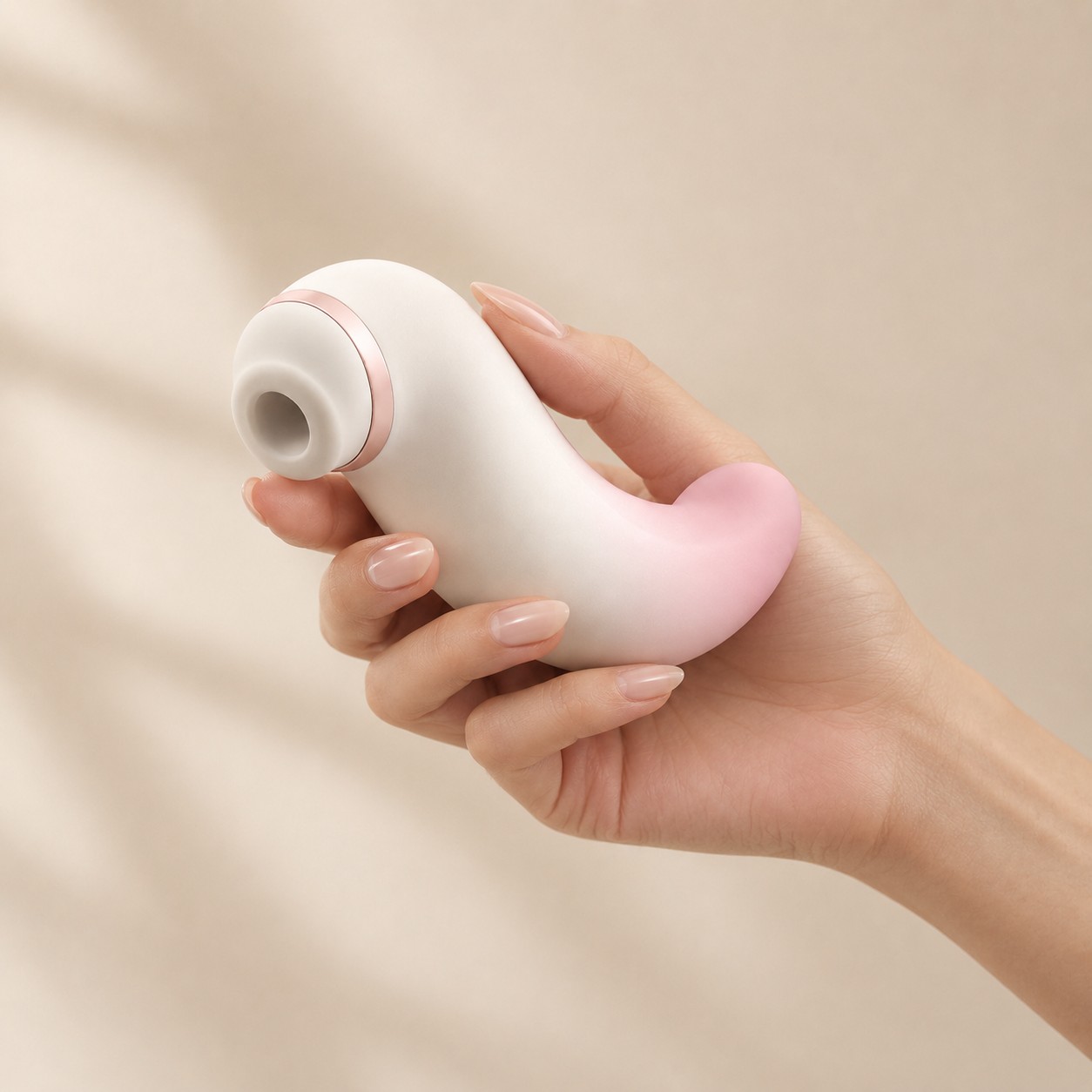
The Joybloom describes Envy as a compact, flexible vibrating dildo for external touch and vaginal exploration. Since it vibrates, it lives in that overlapping category, not the purely non-vibrating one.

Do You Want External or Internal Use First?
This question usually matters more than what the product is called. You can explore external touch with a vibrator designed for that placement, without assuming penetration is the next logical step. If you do want insertion, compare the actual insertable portion, the width, the shape, and how you will hold and remove the toy. Total length is not the same as insertable length.
Read the product instructions before using any toy internally. For anal use, pick a toy specifically designed for that purpose with a wide, flared base or another reliable external stopper. A regular vaginal dildo or vibrator does not suddenly become safe for anal use just because the handle looks easy to grip.
Planned Parenthood sex toy guidance explains why this distinction is so important. You can find it here.
If you are not even sure where you want sensation, wait to buy anything. Use your hand first to notice whether external contact or gentle pressure feels better. Your first purchase should answer a preference you actually have.
Which Is Easier to Control With a Partner?
Either type works with a partner as long as everyone agrees on the plan. With a dildo, the partner hand, pace, and pressure are front and center. With a vibrator, there is a motor setting the receiver might want to control directly. Neither arrangement should be assumed going in.
Before you use one together, decide where the toy can touch, who holds it, and what slower, pause, and stop actually mean. With an insertable toy, the receiving partner guides placement and depth. With a vibrator, turn it on away from the body first and let the receiver feel the lowest setting before deciding whether to keep going. Consent can change at any point.
If this conversation feels harder than choosing the product, Joybloom guide to introducing a toy to a partner gives you a starting script and a fuller process for making the decision together.
What Should You Actually Check Before You Buy?
Once you have settled on the sensation and the placement, narrow down the actual products with five checks:
- Intended use and shape. Is the toy explicitly designed for the body area you have in mind? Is the width and insertable portion stated clearly enough that you can actually judge it?
- Reachable controls. For a vibrator, can you find the low setting and turn it off without fumbling? For a non-vibrating dildo, can you keep a secure grip and remove it gently?
- Material and surface. Does the seller say what the contact material is, and is the surface intact, smooth, and cleanable? A vague silicone-like description is not enough for something you are putting inside your body.
- Lube and care. What does the manufacturer allow? Water-based lube is often a safe starting point, but check compatibility with the toy and any condom. Clean and dry it according to the instructions.
- Partner and storage needs. If you plan to share it, figure out barriers and cleaning before you use it. If easy storage matters, compare the actual size and charging needs.
Stop if insertion hurts or if vibration causes pain, irritation, or ongoing numbness. Lowering intensity, adding compatible lube, or changing placement can help with regular discomfort, but pain is a reason to pause, not push through.
Make Your First Choice About What You Actually Like
If you want external sensation and an easy way to change intensity, start by comparing compact vibrators. If you want manual control over internal pressure, compare smaller non-vibrating dildos designed for how you want to use them. If you want both, consider an insertable vibrator and make sure its size and controls still feel approachable.
The Joybloom interactive product match quiz can help narrow down their current products based on how you want to explore. Treat the result as a short list. Confirm the intended use, dimensions, lube compatibility, and care instructions on the actual product page before you buy. If it recommends a vibrating dildo when you specifically want no vibration, keep looking for a genuinely non-vibrating design.