The quietest vibrator is rarely the weakest one. A product can feel gentle and still sound sharp, or deliver deep vibration while staying discreet. Quiet comes from engineering, not from low power.
For anyone with roommates, family, thin walls or a light-sleeping partner, sound can decide whether self-care feels relaxing or stressful. A vibrator should not make you pause every few seconds to wonder who heard it.
What Does “Quiet” Mean in Decibels?
Sound is usually measured in decibels, often written as dB or dBA. The “A-weighted” scale is commonly used because it reflects how human hearing responds across different frequencies. OSHA describes A-weighted sound pressure level as a measurement used to rate noise in a way that relates to human hearing impact.
For everyday comparison, 40 dB is often described as a library-level sound. CDC materials list typical library sound levels around 40 dB, and WHO safe-listening guidance also uses 40 dB as a library example.
| Approximate level | Everyday reference | Privacy meaning |
|---|---|---|
| 30 dB | Whisper | Very discreet in many normal home settings |
| 40 dB | Library-level quiet | Often blends with soft household sound |
| 50 dB | Quiet residence or light room noise | May be noticeable in a silent room |
| 60 dB | Normal conversation range | More likely to be heard through thin walls or doors |
Context matters: a toy measured in open air may sound different under a blanket, against the body, in a tiled bathroom or on a wooden nightstand. Distance, room materials and pitch all affect what you hear.
The goal is not absolute silence. A moving motor will always create some sound. The goal is to keep that sound low, soft and less likely to cut through a quiet home.
How Quiet Vibrator Engineering Works
A small toy is not automatically a quiet toy. A poorly balanced motor can create a high-pitched buzz that travels through bedding or furniture. A larger product with better vibration control may sound lower, softer and less intrusive.
The ear is sensitive to certain frequencies, so a thin buzz can seem louder than a deeper rumble at a similar decibel level. Good engineering controls both the amount and the character of the sound.
Balance directs the energy
A stable motor keeps useful vibration near the contact point instead of shaking the whole shell and producing uneven buzzing or rattling.
A buffer limits vibration transfer
Motor suspension separates the vibration source from the casing so the body of the toy is less likely to behave like a small speaker.
Shape and support reduce resonance
Wall thickness, internal support, the motor chamber, button fit and surface curves all influence how much the shell amplifies sound.
Silicone can soften contact noise
Silicone does not silence a motor, but paired with sound internal construction it can soften surface feel and reduce some harsh contact noise.
What controlled sound avoids
- High-pitched buzzing and loose internal rattling
- Excess vibration across the full shell
- Button clicks and abrupt jumps between settings
- Resonance when the toy touches furniture
A quiet vibrator can still feel powerful. It needs to use vibration efficiently.
Contact Noise: The Sound People Forget
A vibrator makes sound in the air and through contact. Structure-borne sound happens when vibration enters another object and that object adds its own noise. A nightstand, bed frame, wall, bathtub, sink, hard floor or hollow storage box can turn a low-noise toy into something much more noticeable.
A useful vibrator noise test should therefore compare several conditions:
- Open-air sound at a fixed distance
- Sound while the toy is held in the hand
- Sound under a blanket and against soft fabric
- Sound when the toy touches a hard surface
A decibel claim is easier to interpret when the brand also states the distance, room conditions, setting, battery level and contact surface used for the measurement.
Why a small decibel change can matter
Decibels use a logarithmic scale. NIOSH explains that a sound 10 dB higher has ten times the sound intensity. That does not mean every listener will describe it as ten times as loud, but it explains why the gap between 38 dB and 48 dB can feel meaningful in a quiet bedroom.
A Joybloom Example: Lola
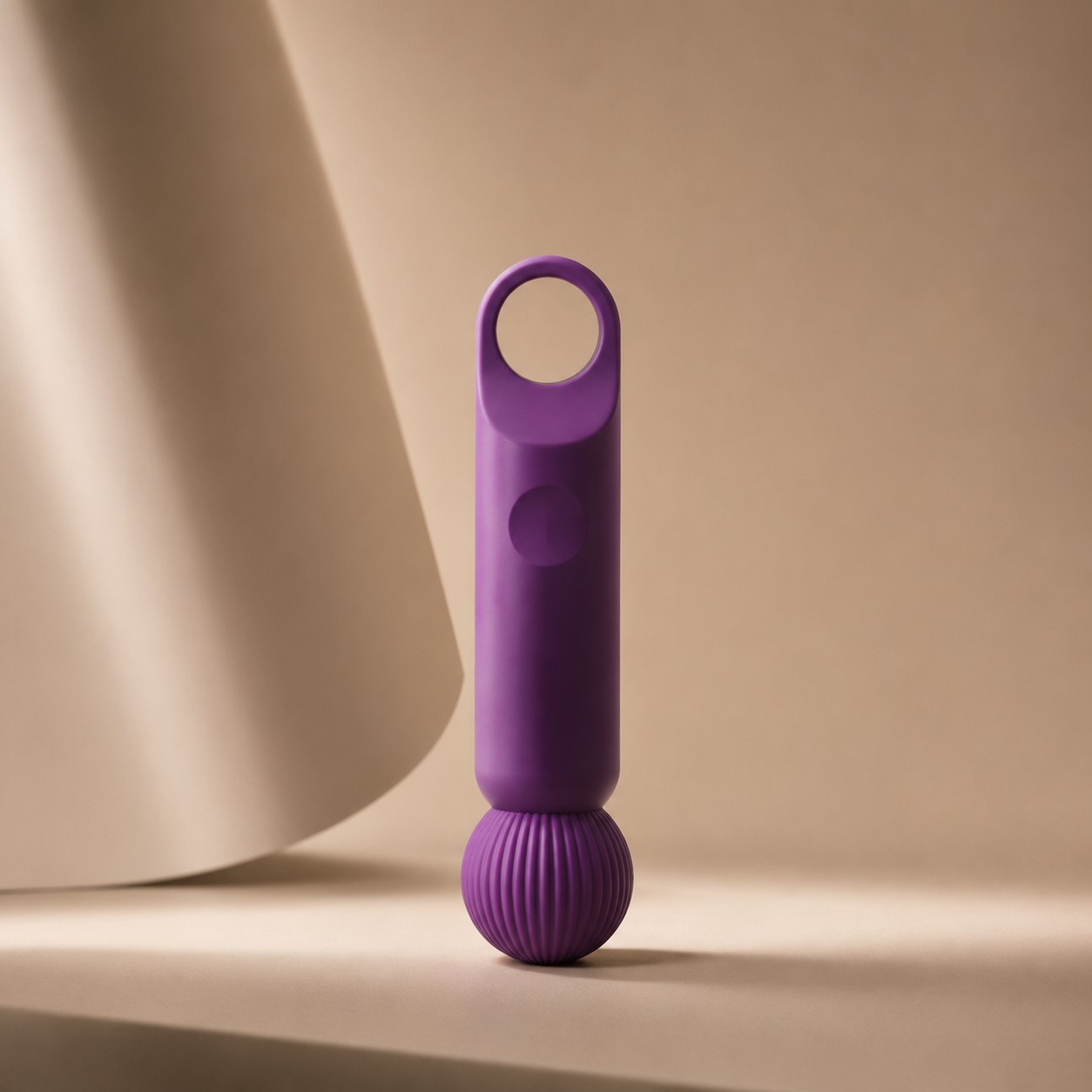
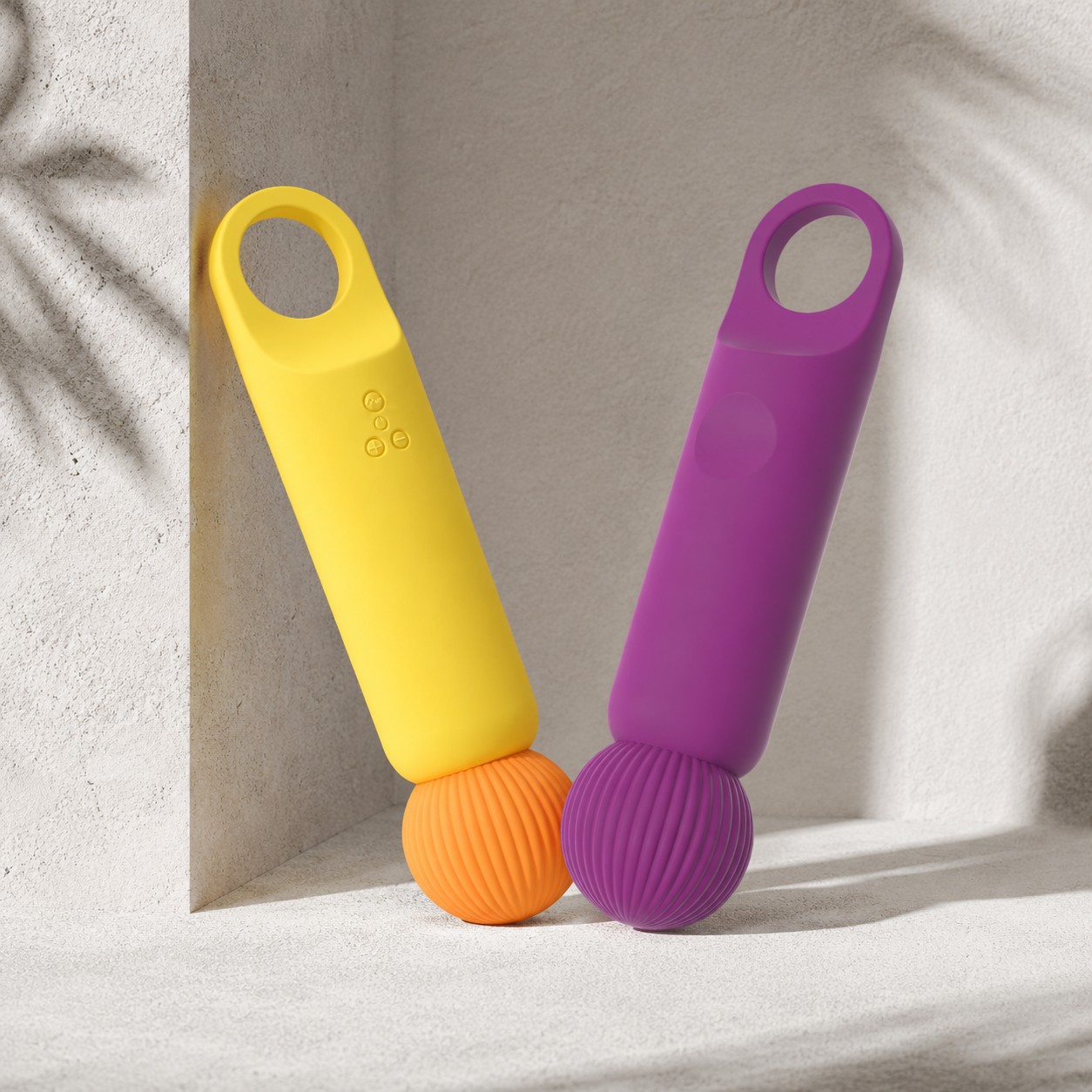
Joybloom designs around privacy, comfort and real use environments, as well as intensity. Lola offers one example of how those priorities can come together.
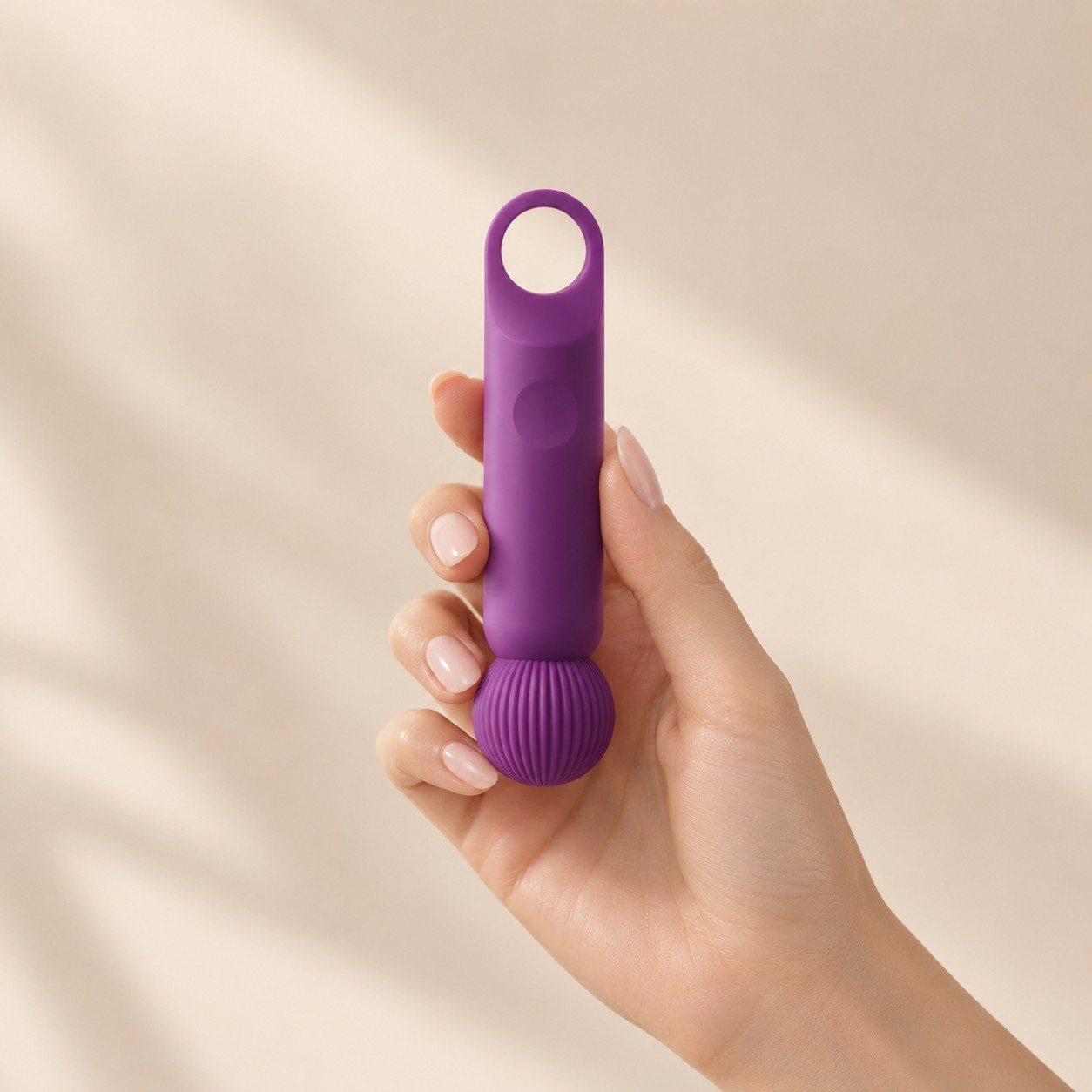
Lola
- Listed at under 38 dB
- 10 vibration patterns
- One-button control
- Up to 70 minutes of listed play time
- IPX6 water-resistant rating
Consider it if: you want compact size, simple controls and a low published noise figure.
Check first: a published figure does not guarantee privacy in every room; surfaces, distance and mode still matter. Follow the product instructions for cleaning and water exposure.
See Lola detailsWhat to Look for in a Quiet Vibrator
Do not rely on the word “silent.” No motorized vibrator is completely silent, and a useful product page should give you enough context to judge real-world discretion.
Published context
Look for a decibel figure or low-noise claim with a stated test method, distance or setting.
Sound character
A lower, steadier vibration may be less noticeable than a sharp buzz at a similar measured level.
Build quality
Check for a solid shell, fitted controls and an absence of loose rattling when gently handled.
Usability
A low starting setting, reachable controls and a shape you can keep away from furniture help in practice.
A practical claim is “low-noise” or “designed for discretion.” Treat “completely silent” with caution because walls, bedding, distance and room noise can change the result.
How to Make Any Vibrator Sound Quieter
- Start low. Begin with the lowest setting and choose a steady pattern before trying sharper pulses.
- Hold the toy. Do not leave it vibrating on a wooden table, bed frame or another hard surface.
- Add a soft barrier. Put fabric between the toy and any nearby hard object.
- Use the room. Close the door and, if helpful, add ordinary background sound.
- Check for changes. New rattling or buzzing can signal wear or damage; stop using the toy and follow the maker's guidance.
- Clean and store it correctly. Follow the product's care instructions so seams, buttons and charging points stay in good condition.
Soft furnishings absorb sound, while a tiled room can make the same device seem louder. Privacy depends on the product and the environment together.
Quiet Does Not Mean Weak
A vibrator can feel strong because it transfers vibration efficiently, not simply because its motor produces more raw force. When energy stays near the contact area instead of spreading through the entire shell, the result can be more useful sensation with less rattling and harsh buzz.
Sound can also affect comfort. If you share your home, worrying about being heard may make it hard to relax. Quiet engineering respects that practical need: privacy is part of ease of use.
Common Questions About Vibrator Noise
What decibel level is considered quiet for a vibrator?
A figure around 40 dB or below is often easier to consider discreet, especially with soft background sound. Actual privacy still depends on the measurement method, distance, walls, bedding, setting and contact surface.
Is 40 dB really quiet?
It is commonly compared with a library-level sound, but pitch and room conditions affect how noticeable it seems.
Are “silent” vibrators actually silent?
No motorized vibrator is completely silent. “Low-noise” or “designed for discretion” is more accurate.
Why does a vibrator sound louder on a bed frame?
Vibration travels into the hard structure, which can amplify the contact noise. Holding the toy or placing soft fabric between it and the frame can reduce this effect.
Does silicone make a vibrator quieter?
Silicone alone does not silence a motor. With good internal engineering, it can soften surface feel and reduce some contact harshness.
Can a powerful vibrator still be quiet?
Yes. Motor balance, suspension and shell design can focus useful vibration while reducing wasted movement and buzz.
How can I compare vibrator noise at home?
Start at the lowest setting and hold the toy away from hard surfaces. If another consenting adult is available, compare what can be heard outside the closed room. A phone sound-meter app can show relative differences, but it is not a substitute for calibrated testing.
The Takeaway
Quiet is more than a decibel number. Motor balance, suspension, shell structure, sound pitch, contact noise and the room all affect whether a vibrator feels discreet.
Use published noise figures as one comparison point, then check the test context, construction and controls. The right choice supports privacy without asking you to give up useful sensation.