After a day of bouncing between tabs, messages, and video calls, you might struggle with anything that is not on a screen. Even when you are resting, your eyes keep finding something to check. A dimmer room can be a real shift. Fewer visible distractions and a chance to actually pay attention to pressure, texture, and movement.
But here is the thing. Darkness does not reliably make your sense of touch sharper. Research makes a clear distinction between noticing a sensation, detecting a faint stimulus, and accurately telling two stimuli apart. Closing your eyes affects these differently. The real goal is to figure out whether less visual input helps you stay present with touch, not to produce some measurable sensory upgrade.
Why Attention Changes What You Notice
Touch starts with signals from your body, but what you actually experience also depends on how your brain processes those signals. Attention is what selects which information matters in any given moment. You can feel the chair under you while reading a message, yet you only really notice how firm it is when you deliberately pay attention.
In a human fMRI study about attention and touch, researchers gave people both visual and tactile stimulation while they focused on one or the other. When people attended to touch, there was more activity in primary and secondary somatosensory areas, the parts of the brain that process bodily sensation, compared to when touch was unattended.
That finding supports the idea that attention plays a role in how we process touch. But a bigger brain imaging signal does not, on its own, mean stronger pleasure or a specific boost in sensitivity.
For someone who spends all day following visual information, turning off a screen removes one huge source of competing input. Deliberately paying attention to touch is the next step. The idea that this combination makes ordinary sensation easier to notice is a practical inference, not a proven fix for sensory overload.
Does Closing Your Eyes Actually Make Touch More Sensitive?
It depends on what you are measuring. Detecting a very light touch is different from figuring out which finger was touched, identifying a vibration pattern, or finding a touch pleasurable.
A 2022 study on short-term visual deprivation put 64 volunteers in either a blindfolded darkness group or a control group. After 110 minutes, the researchers found no improvement in the tested measures of tactile spatial acuity, temperature sensation, or heartbeat perception.
Another study published in eNeuro compared how well people performed on a tactile frequency discrimination task with their eyes open versus closed. People were less accurate and slower when their eyes were closed.
This was a lab task using electrical stimulation, not a test of intimate touch, but it shows why eyes closed equals better touch is just too broad a claim.
You might still enjoy touch more in low light, and that is totally valid. Enjoyment, attention, and lab discrimination scores measure completely different things. A comfortable subjective experience is useful information about your preference. It is not evidence that your nerves have somehow become twice as sensitive.
What About the Brain Using Visual Areas for Touch?
Your brain can change how it uses sensory networks. This is called cross-modal plasticity, basically changes in how information from one sense gets processed in networks normally associated with another.
In a 2008 experiment on visual deprivation and tactile training, sighted adults went through five days of continuous blindfolding along with intensive tactile practice. Researchers saw the visual cortex getting recruited during touch, and the blindfolded group performed better on a Braille discrimination task.
Five days of controlled deprivation and training is not the same as turning down a lamp by your bed. That experiment does not prove that a few minutes of darkness reroutes a fixed amount of visual brain power to your sense of touch. It also does not mean you should go around recommending prolonged blindfolding at home.
For everyday practice, selective attention is the more useful concept. You choose to notice a sensation while cutting down on distractions that make that choice harder.
Try This Five-Minute Low-Light Touch Practice
This is an informal attention exercise, not a neurological test or a therapy that has been validated. Start with ordinary, non-intimate touch so you can explore the setting without another goal hanging over you.
First minute: Set up while you can still see clearly
Sit or lie somewhere supportive. Put your phone out of reach and silence notifications. Turn off a screen or dim one lamp, keeping enough light to see your surroundings. You do not need total darkness and you definitely do not need a blindfold.
Pick one familiar sensation. A towel resting across your palm, your hand on your forearm, or your feet against a soft rug. Skip hot objects, sharp textures, and anything that needs you to watch it visually.
Second minute: Notice with your eyes open
Keep the contact gentle and steady. Name one quality without judging it. Smooth, textured, warm, cool, light, or firm. Notice where the contact starts and where it ends.
If a work thought pops up, acknowledge it briefly and come back to the same sensation. You can do this return several times. You do not need to empty your mind for this to work.
Third minute: Turn down the visual input
Look at a plain part of the room or close your eyes for a moment if that feels okay. Keep the material, the location, and the pressure exactly the same. Ask yourself whether the sensation is easier to follow, unchanged, or less comfortable.
Open your eyes whenever you want. Being able to choose the setting is part of the practice.
Fourth minute: Explore one small change
Change one thing. Move the towel a little, lighten the pressure of your hand, or shift your attention from texture to the edge of where the contact is. Do not just press harder because the first sensation felt subtle.
Notice what changed and what stayed the same. You are gathering information, not trying to make every touch feel intense.
Fifth minute: Choose what to keep
Go back to normal lighting. Think about which part helped the most. Putting the phone away, softer light, closing your eyes, or just paying attention to one sensation. Keep the smallest change that made the experience more comfortable and easier to follow.
If you try this comparison another day, test the lighting conditions in the opposite order. Practice, expectation, tiredness, and mood all influence what you notice. A personal comparison cannot perfectly isolate lighting as the only factor.
Bringing the Same Approach Into Intimacy
If you enjoy the ordinary touch exercise, you can use the same attention cues during consensual adult intimacy. Notice contact, change one variable at a time, and respond to what your body is telling you. Start with a familiar activity and a lighting level that feels safe.
With a partner, decide on the lighting together. An example invitation might go like this. Would you like to lower the lamp and try the same gentle touch? We can turn it back up whenever either of us wants. Agree before you change the activity or add a blindfold. Reduced visibility does not replace ongoing communication.
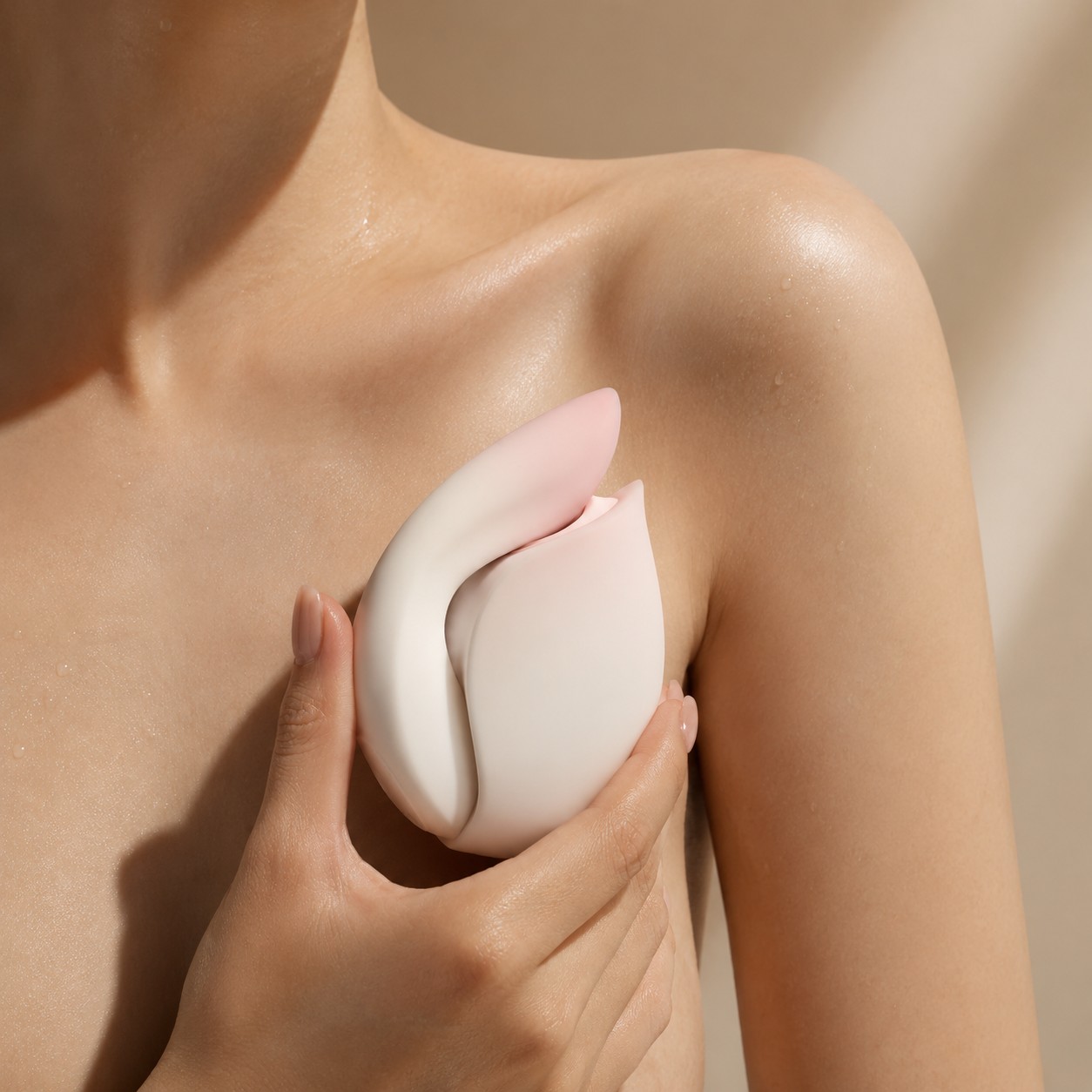
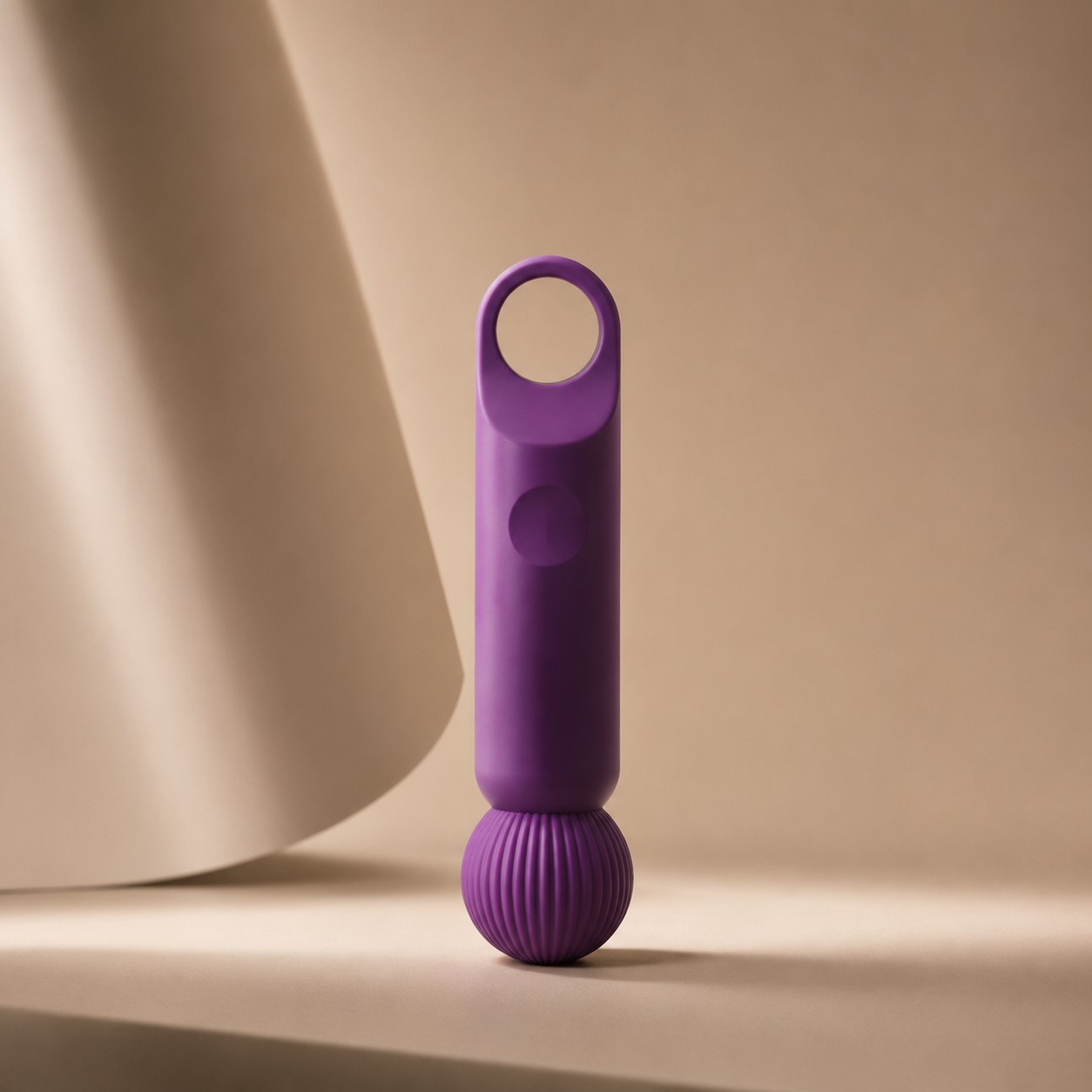
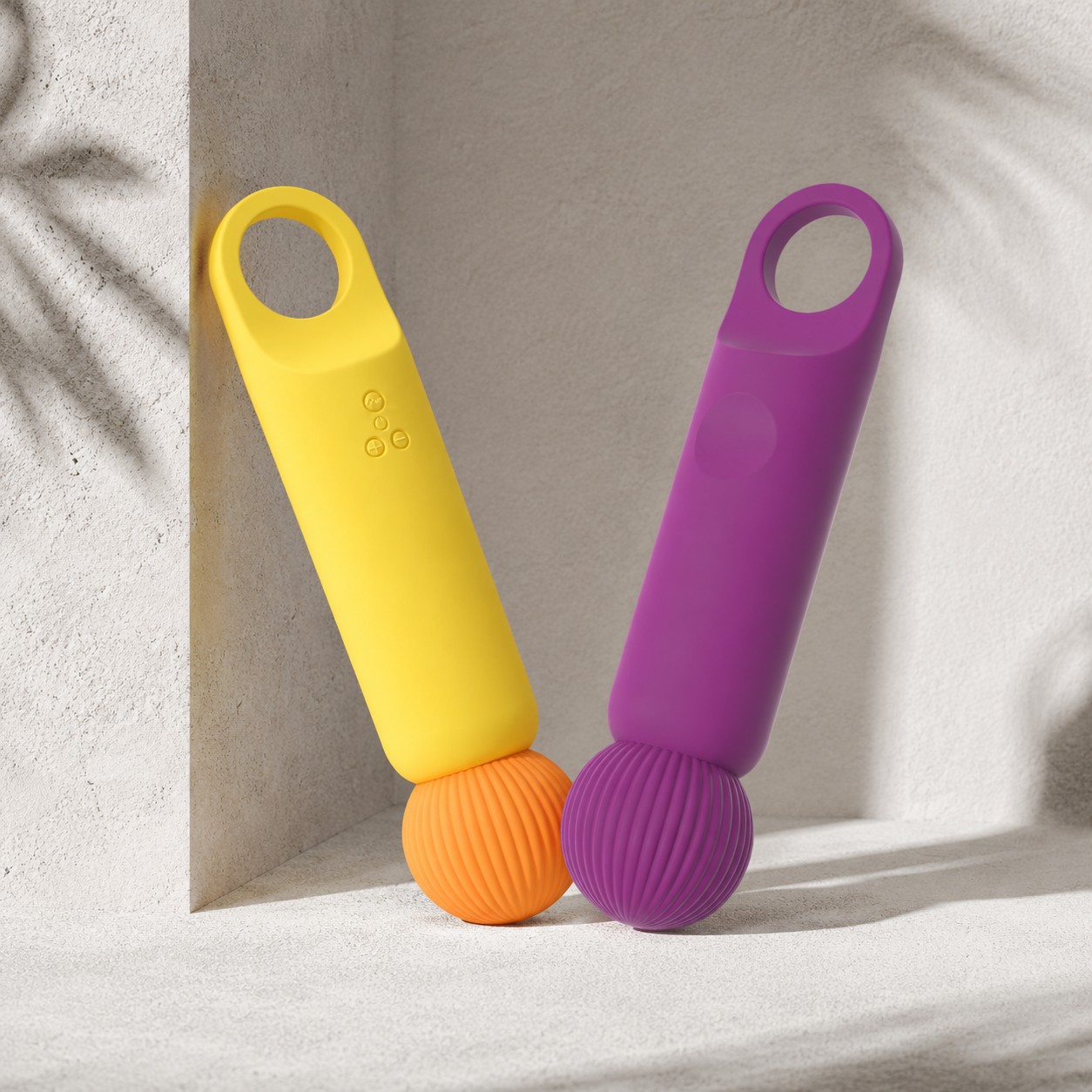
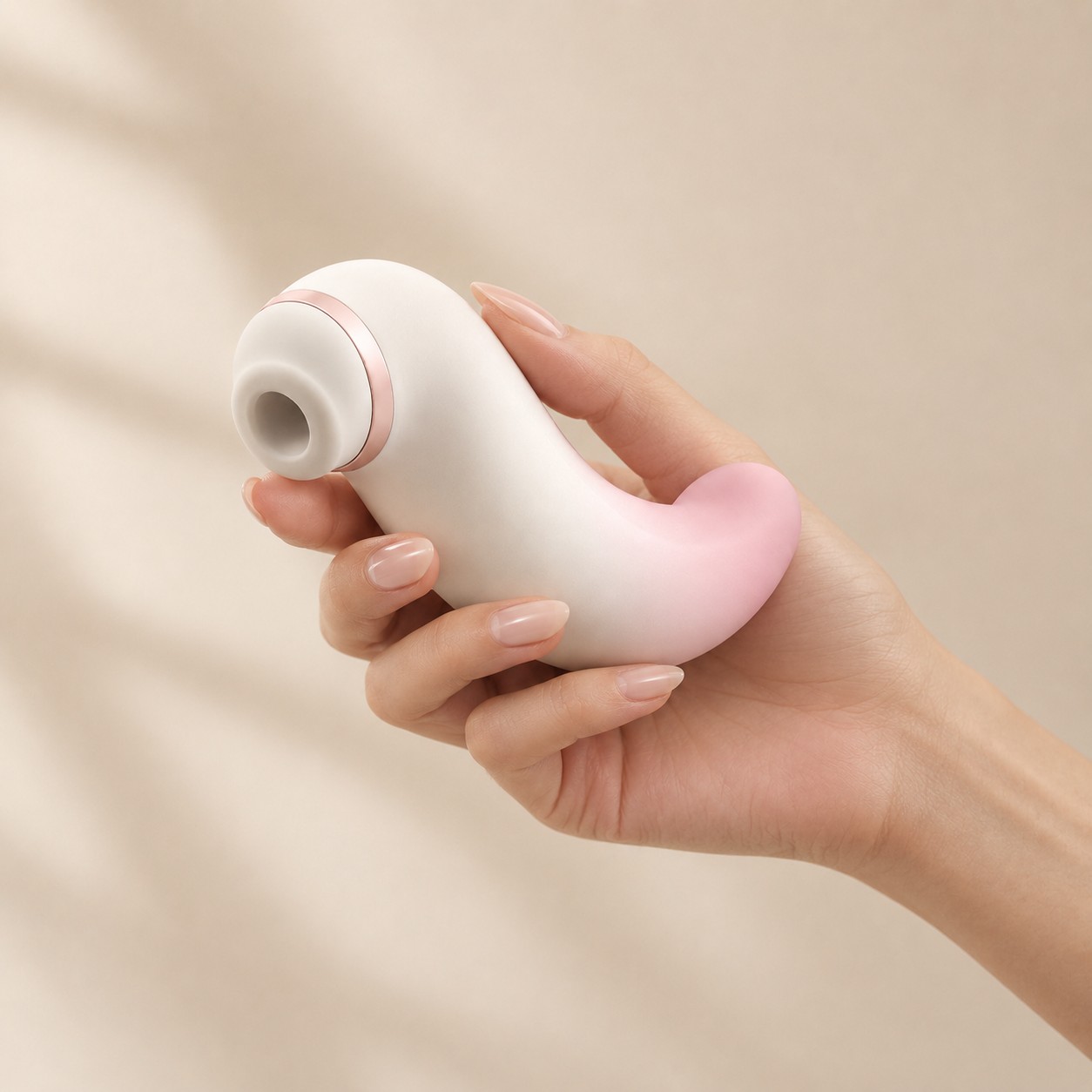
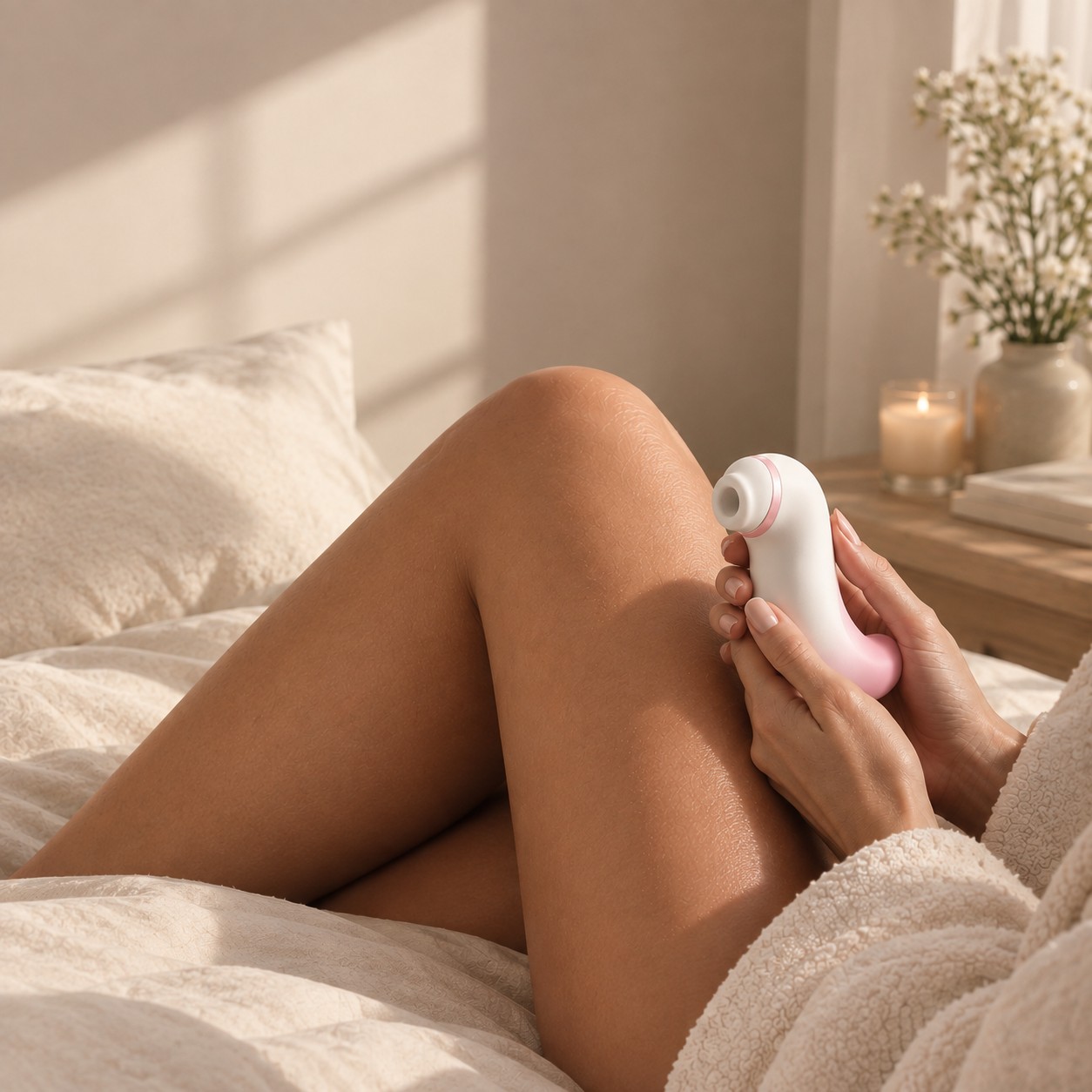
If a toy is involved, learn the controls and inspect it in good light first. Keep the off switch within reach and start at a familiar low setting.
For help comparing placement and controls, The Joybloom beginner toy guide is a good next step. A toy is optional. Dim lighting does not change its care instructions or intended use.
When More Light Is Actually the Better Choice
Some people find closed eyes restful. Others feel less safe or get more distracted by their own thoughts. If reduced visibility makes you anxious, disoriented, or disconnected from your surroundings, open your eyes and turn the light back up. A quiet, uncluttered room can still help you focus.
Use good lighting when you are moving around, checking a product, adjusting unfamiliar controls, or doing anything that needs visual guidance. Stop any contact that causes pain, burning, or numbness. Persistent or unexplained loss of sensation warrants advice from a qualified healthcare professional, not more experiments with darkness or stronger stimulation.
Pick the lighting that lets you feel comfortable, communicate clearly, and notice what is actually happening. Softer light might help you give touch more of your attention. Your own response determines whether it belongs in your routine.