I want you to do something for me. Pause for two seconds. Notice your shoulders.
Are they up by your ears? Yeah, mine too sometimes.
Your shoulders stay raised long after a difficult meeting. Your jaw is tight, but you notice it only when dinner is over.
Those sensations can be part of an ordinary stress response. They do not prove that a specific memory is stored in a particular muscle.
Somatic healing is a broad label for approaches that include bodily sensation, movement, breath, or touch when working with stress and emotion.
A more precise question is what a particular practice helps you notice and choose.
For everyday tension, a short, optional body check in can help you recognize discomfort and change your position or pace. For trauma symptoms, body focused methods are sometimes used in professional care, but pleasure or massage alone has not been shown to release hidden trauma.
Why can stress feel physical?
The body responds to demands before you have time to put the experience into words.
The American Psychological Association describes muscle tension as a common reaction to stress. Breathing, heart rate, digestion, and sleep can also change when stress continues.
That connection runs both ways in daily life. You may notice a clenched hand before you can name frustration, or realize you are anxious only after you sit down and feel your breathing.
These sensations are information, not a diagnosis. A stiff neck may reflect a long workday, posture, a medical issue, stress, or several things at once.
You cannot read a precise emotional history from the location of tension.
This is one useful meaning of somatic: paying attention to bodily signals alongside thoughts and circumstances. It leaves room to respond to the actual signal, resting your arms, changing your chair, taking a break, or asking for help.
What a trauma expert actually says about body awareness
Let us talk about the research, because there is actual research.
Psychiatrist and trauma researcher Bessel van der Kolk and colleagues have studied how attention to bodily sensations might support emotional regulation. In a randomized trial of trauma informed yoga, 64 women with chronic, treatment resistant PTSD were assigned to ten weeks of guided yoga or a women's health education program.
The authors proposed that learning to notice and tolerate physical sensations could help people manage emotions. Their intervention included instructor guidance, choices about movement, and ongoing mental health care.
That study matters because it tested a defined program in a defined group. It does not show that any pleasant sensation heals trauma, that every tight muscle contains a traumatic memory, or that a self directed exercise can replace therapy.
Somatic Experiencing is also the name of a particular body focused psychotherapy. An early randomized trial reported promising PTSD results, but its authors called for more research.
The U.S. National Center for PTSD says trauma focused talk therapies have the strongest recommendation for PTSD, while evidence for many complementary body and mind approaches is still developing.
If you are reading because your body feels tense after work, you do not need to assume you have PTSD. If you do have trauma related symptoms, you deserve care that can adapt to your history and preferences.
Can pleasure release stored trauma?
Okay, let‘s talk about the big claim you see everywhere online.
A warm bath, gentle massage, comfortable movement, or wanted sexual pleasure may feel good and help some people settle for a while.
Enjoyment is worthwhile on its own. I will say that twice because it is important. Enjoyment is worthwhile on its own.
But.
Science has not established a mechanism by which deeper pleasure extracts a hidden memory from tissue or reliably resolves trauma.
The phrase the body keeps the score can capture a person's lived sense that experiences affect how they feel physically. It is a metaphor, not a map showing that a shoulder holds one event and a hip holds another.
Be cautious of any practice that promises to locate and release trauma through a particular pressure point, intense sensation, or orgasm. Choice matters more than intensity. A touch you can pause, change, or decline may give you useful information about comfort.
If a sensation feels overwhelming, detached, painful, or frightening, you can stop. There is no therapeutic requirement to push through it.
Try a four minute check in for everyday tension
This short exercise is a way to notice what is happening now. It is not a trauma processing protocol.
Keep your eyes open if that helps you feel oriented, and skip any step that feels unhelpful.
- Look around. Name three ordinary objects you can see. Feel your feet against the floor or your back against a supportive chair. You are establishing where you are right now.
- Notice one area. Choose your jaw, shoulders, hands, or feet. Ask whether it feels tense, relaxed, warm, cool, or difficult to describe. You do not have to search for a hidden emotion.
- Make one small adjustment. Unclench your hands, shift your posture, or let your shoulders drop a little. Breathe at a comfortable pace. Do not force deep breaths if they make you dizzy or uneasy.
- Check the result. Did the sensation change, stay the same, or become less comfortable? Any answer is useful. If you feel more unsettled, stop focusing inward and return your attention to the room.
If you prefer a longer, pressure free exploration of present moment sensation, Joybloom's sexual self care guide offers a separate path for wanted pleasure. It is a personal choice, not a trauma treatment.
Make Space for Your Own Pleasure
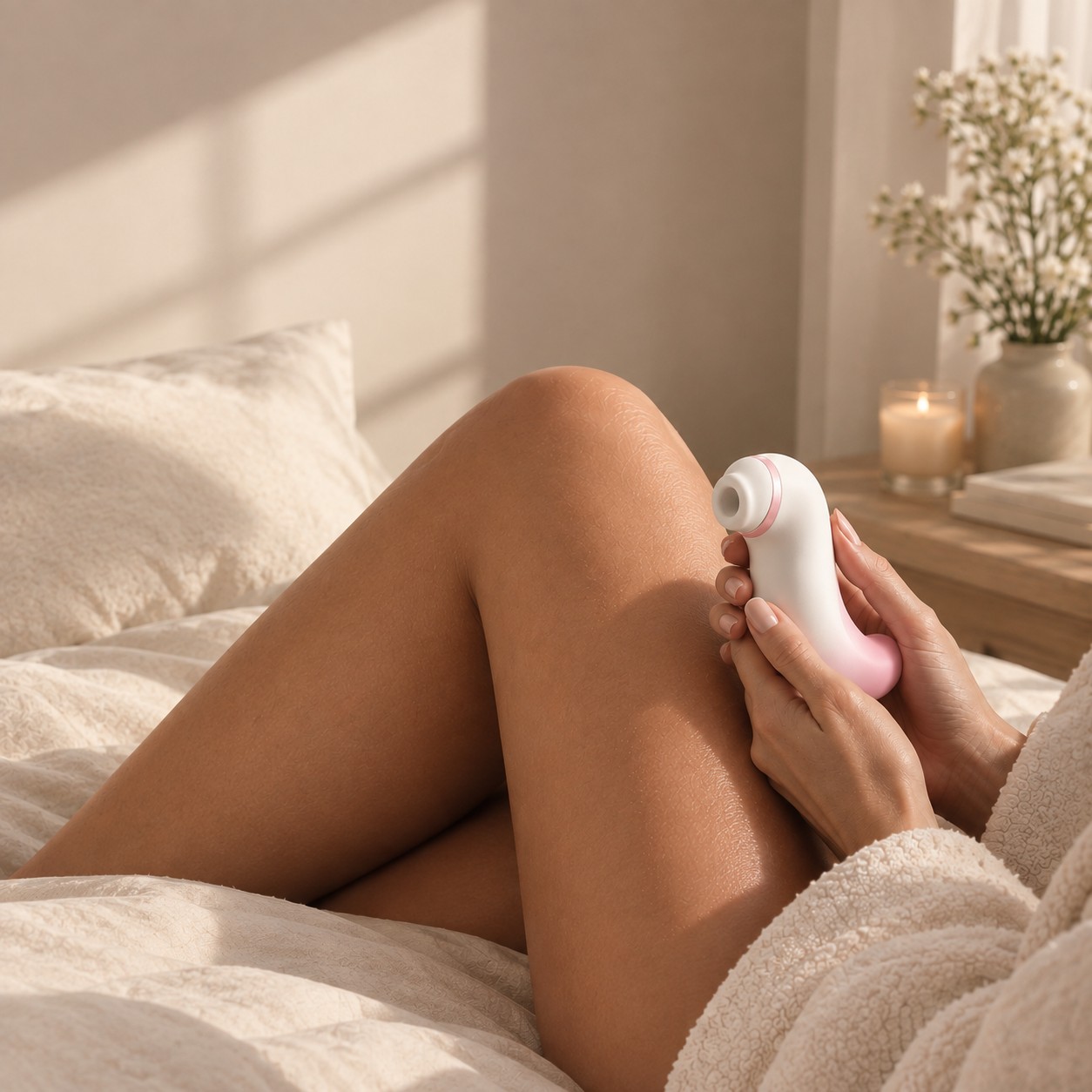
Getting to know your body doesn't have to be about fixing anything. Sometimes, it starts with giving yourself permission to slow down, notice what feels good, what your body welcomes, and explore without pressure.

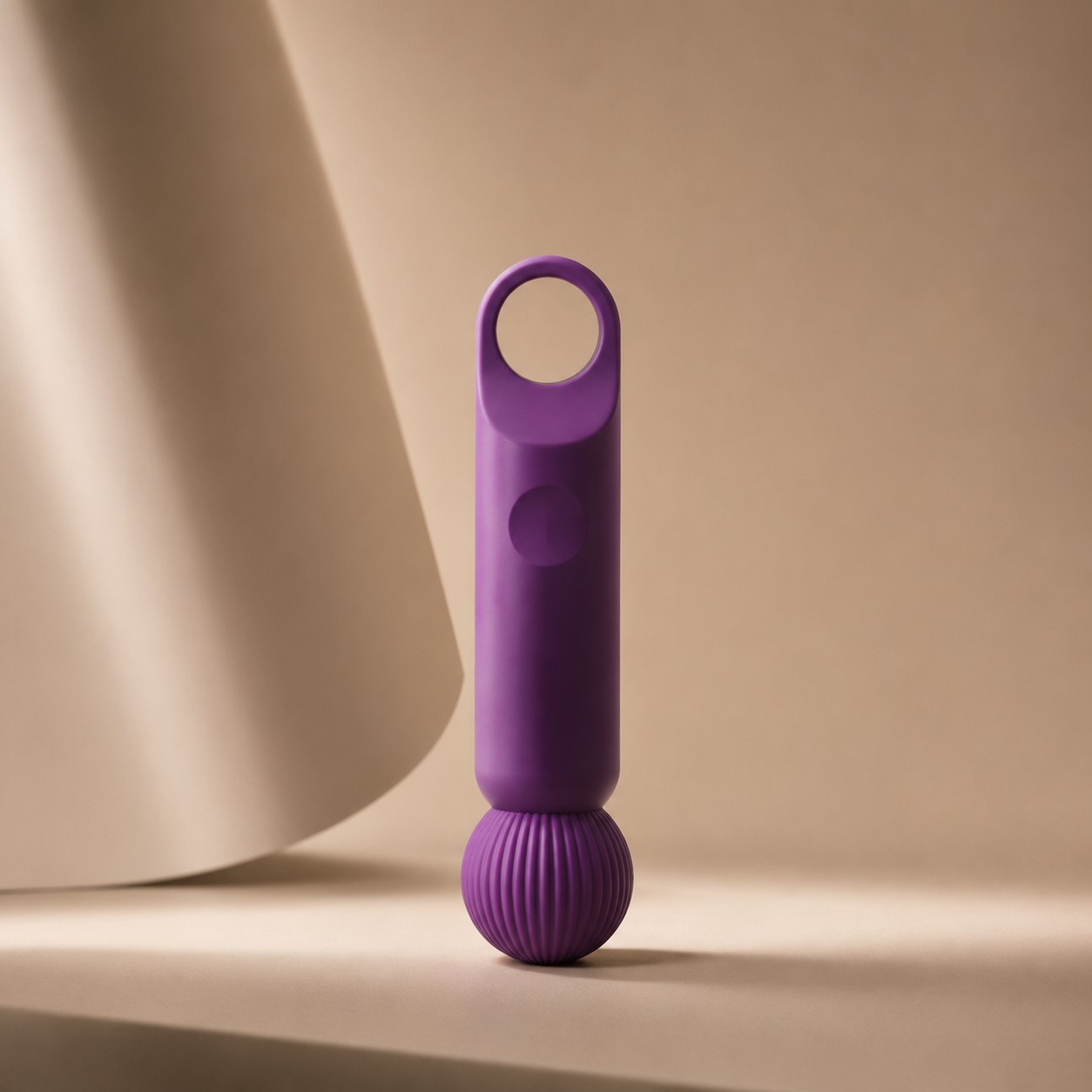
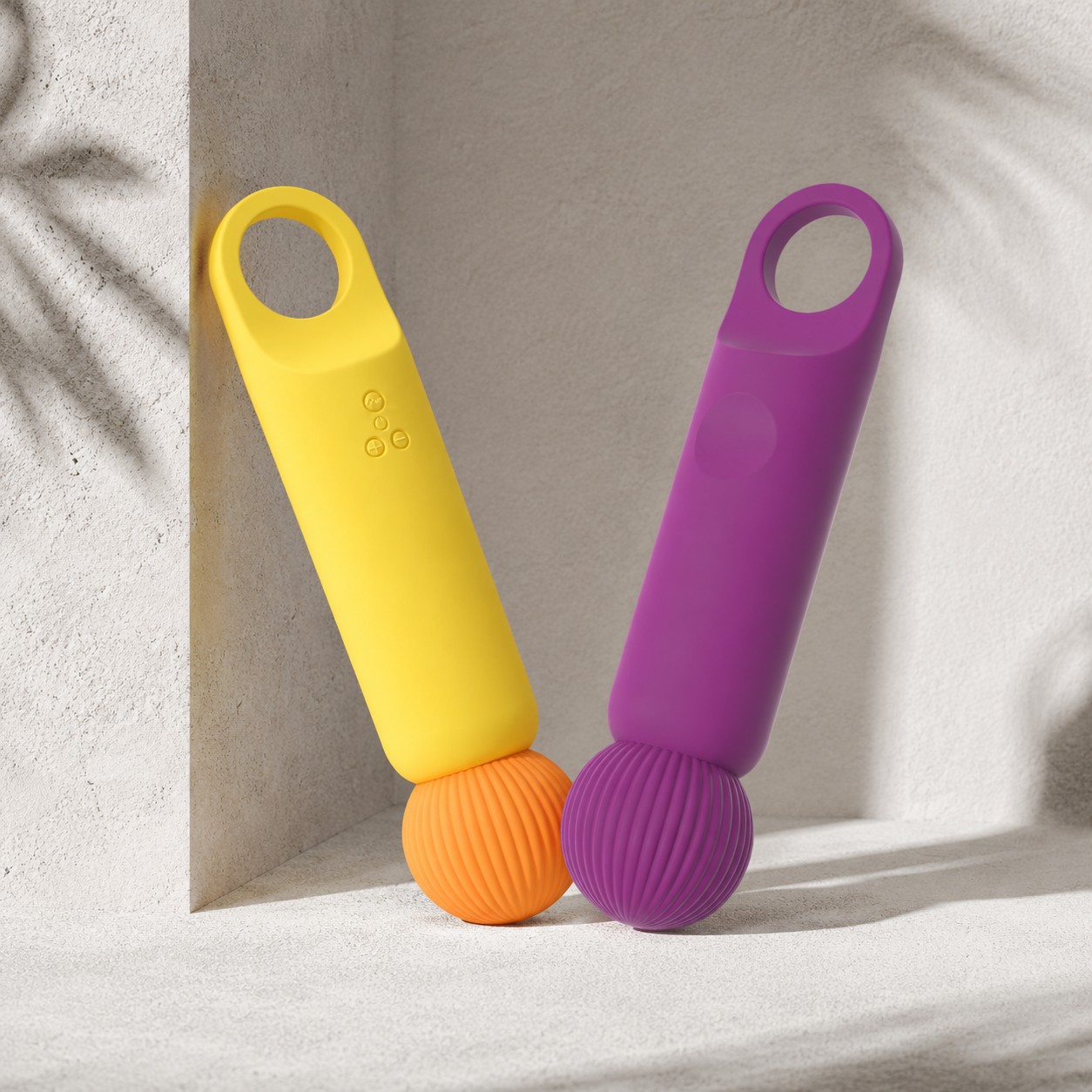
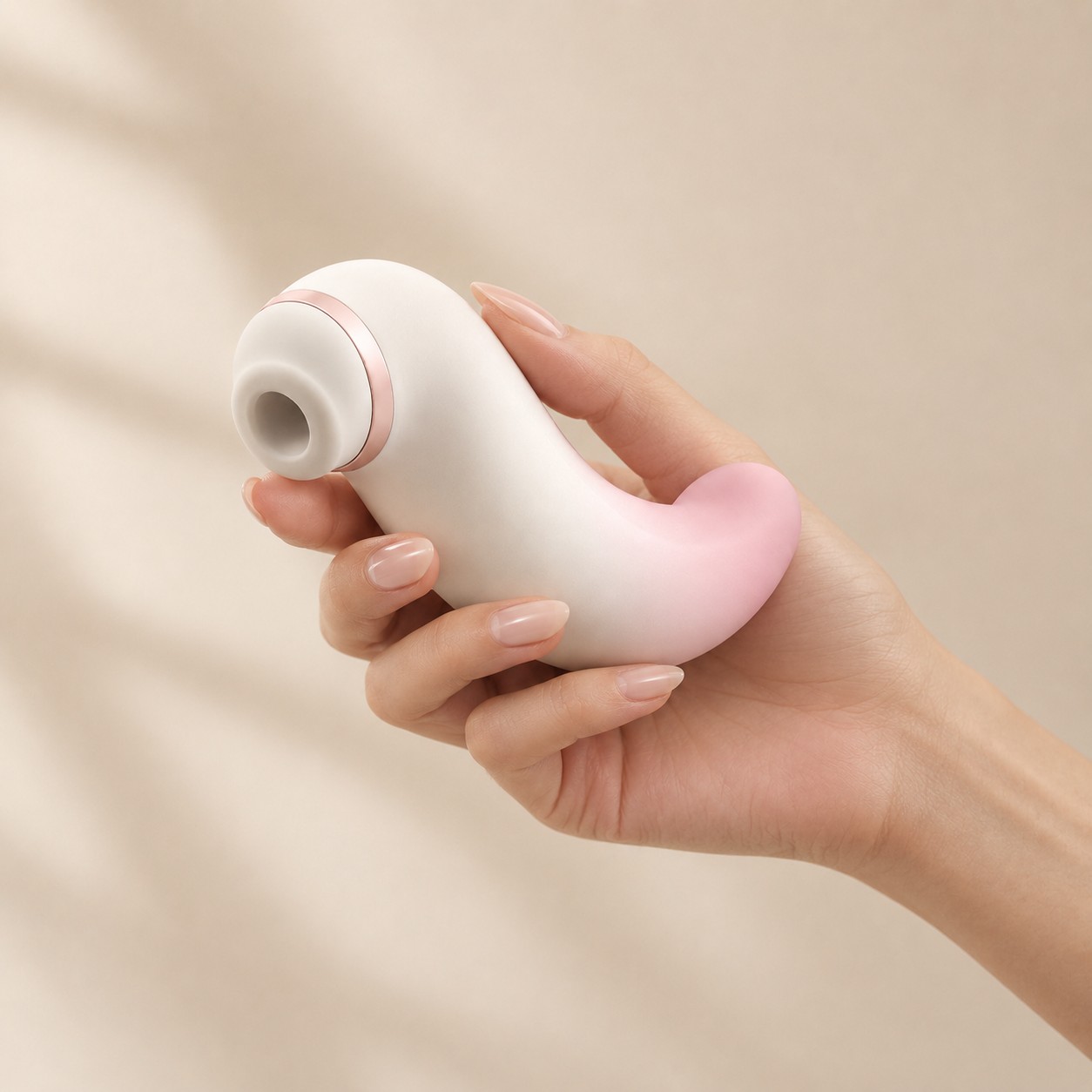
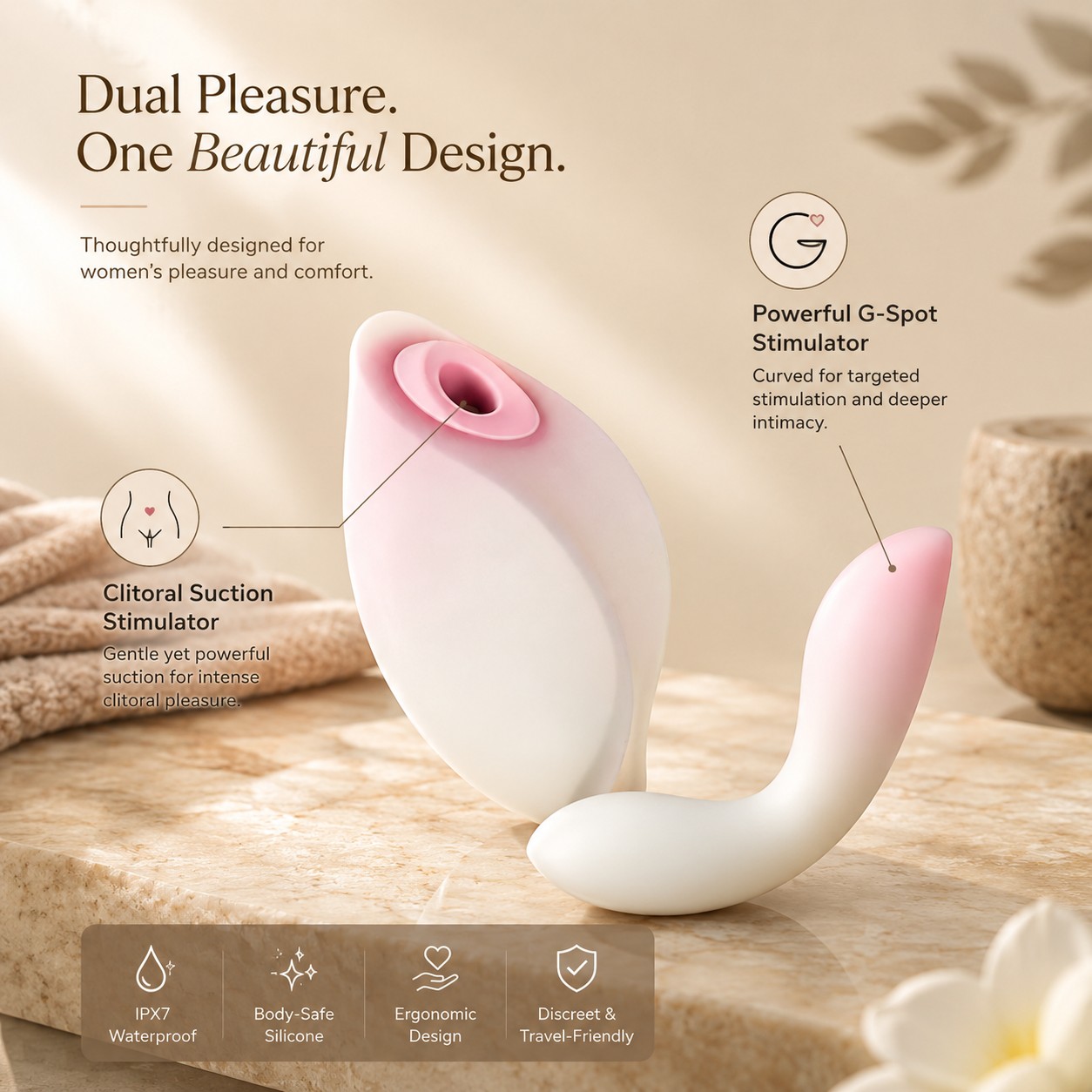
Luna Bloom by The Joybloom offers a way to explore personal pleasure on your own terms. Whether you're reconnecting with your sensations or simply making more room for self-care, the experience is yours to define.
Pleasure doesn't need to prove anything. It can simply be yours.
When should you seek more support?
Persistent muscle pain, unusual physical symptoms, or changes that interfere with daily life deserve assessment by a healthcare professional.
For recurring anxiety, intrusive memories, avoidance, dissociation, or feeling unsafe in your body, a licensed mental health professional can help you decide which approach fits.
You can ask how they handle body focused work, whether you may keep your eyes open, how they respond if an exercise becomes overwhelming, and what evidence supports the treatment they offer.
Body awareness can make an ordinary moment easier to understand. It can also be uncomfortable for some people, especially when past experiences are involved.
Start with choice and a tolerable amount of attention. Let any practice earn its place through how it affects you, while leaving clinical trauma care to qualified professionals.