Sometimes when you want to try a sex toy with your partner. You are worried that they will hear something else.
Not “I want to explore this with you.” But more like “Am I not enough?”
That concern is quite common. Though the vibrator is small, what it seems to mean can feel enormous, because it lands where a relationship is already tender.
Try to skip the perfect speech. What you need is enough security for both of you to say what you actually feel.
Just long story short: Present the toy as something you guys engage together. Once it starts sounding like a verdict on your sex life, it is not working anymore.
Why a Partner May Feel Replaced by a Vibrator
Before you bring up a specific product, it helps to understand what the fear may actually mean.
“Why do you need that?” is rarely about the toy. Underneath, your partner is asking some version of this:
Do you still want me?
Am I failing you in bed?
Will I have to compete with it?
Are you comparing me to somebody else?
Have you been unhappy this whole time?
These show up in happy relationships too. Being wanted is tied up with feeling chosen, and a product that works faster can poke at that.
Curiosity is not dissatisfaction, though. Vibrator use is common among adults, including during partnered sex. In one U.S. study of women, many vibrator users felt comfortable using one with a partner, and partnered vibrator use was associated with positive sexual function measures. [PubMed]
Which is why the conversation matters more than the product. Secrecy, pressure and comparison turn a toy into a threat. Patience does the opposite.
Reassurance does not always land, either. You can say everything right and still watch your partner look unconvinced. Some of this needs time more than it needs sentences.
Start With Your Real Intention
Get clear on your reason first. Curiosity, variety, easier external stimulation, and more playful foreplay. None of it is an accusation.
The wording decides how it lands. “Our sex life feels boring” arrives as criticism. “I love being close to you and I want to try something new” does not.
Knowing your reason is what stops the conversation becoming a performance review.
Then frame it as an addition.
“I’m not looking for something instead of you. I’m curious about something we could explore together.”
Step 1: Choose a Neutral Moment
Do not pull a toy out mid-sex, not even playfully.
Your partner gets no time to work out what it means. If they feel unsure, they have to refuse the toy and break the mood in one breath. Talk when neither of you is naked, rushed, in a mid-argument, or about to have sex. A quiet evening works. Keep the opening plain:
“I’ve been curious about trying a pleasure product together. We don’t have to. I’d just like to know how you feel about it.”
That leaves room for an honest answer, including a no. If they go quiet, let them. Some people need a minute to separate curiosity from insecurity.
Step 2: Reassure Without Dismissing Their Feelings
If they ask, “Do you need that because I’m not enough?" do not answer, “You’re overthinking it.”
You may be right. It still sounds like you have stopped taking them seriously.
Try this.
“I get why it could feel that way. That’s not what I mean. I want to share this with you, not swap you out.”
Or: “This isn’t about you failing at something. It’s more like trying a new kind of touch. The person I want in the room is still you.”
Then name what you value in them. A device has no warmth, no timing, and no sense of humor, and it has never once wanted you back.
Skip the jokes too. “It never gets tired.” “It knows what it’s doing.” “Maybe it can help you out.” You may mean them lightly. Comparison lands hard on somebody who already feels exposed.
Step 3: Make It a Shared Decision
Buy the product first and your partner is left accepting a plan they had no hand in.
Browse together instead, with no obligation to buy. Start with comfort and boundaries, not features.
Questions worth asking:
What looks interesting?
What looks intimidating?
Would external stimulation be easier to start with?
Who wants to hold it?
Is there anything either of us does not want?
What would keep this playful instead of pressured?
A green-yellow-red list helps. Green means comfortable trying it, yellow means maybe after more talking, red means no.
Treat a red as final. Arguing with a clear no makes the next conversation harder.
If product choices feel overwhelming, start with Joybloom’s sex toys for beginners collection. It groups beginner options by placement, sensation and control, which makes the conversation more specific than simply asking, “What toy should we buy?”
Step 4: Choose Simple Over Intense
The best first sex toy for couples is usually the least impressive one on the page.
You want a product both of you feel fine picking up, adjusting and putting down. Look for:
- Simple on-device controls
- A clearly low starting setting
- A shape that is easy to hold and reposition
- Body-safe, nonporous materials
- External-use options
- No built-in expectation that penetration or orgasm has to happen
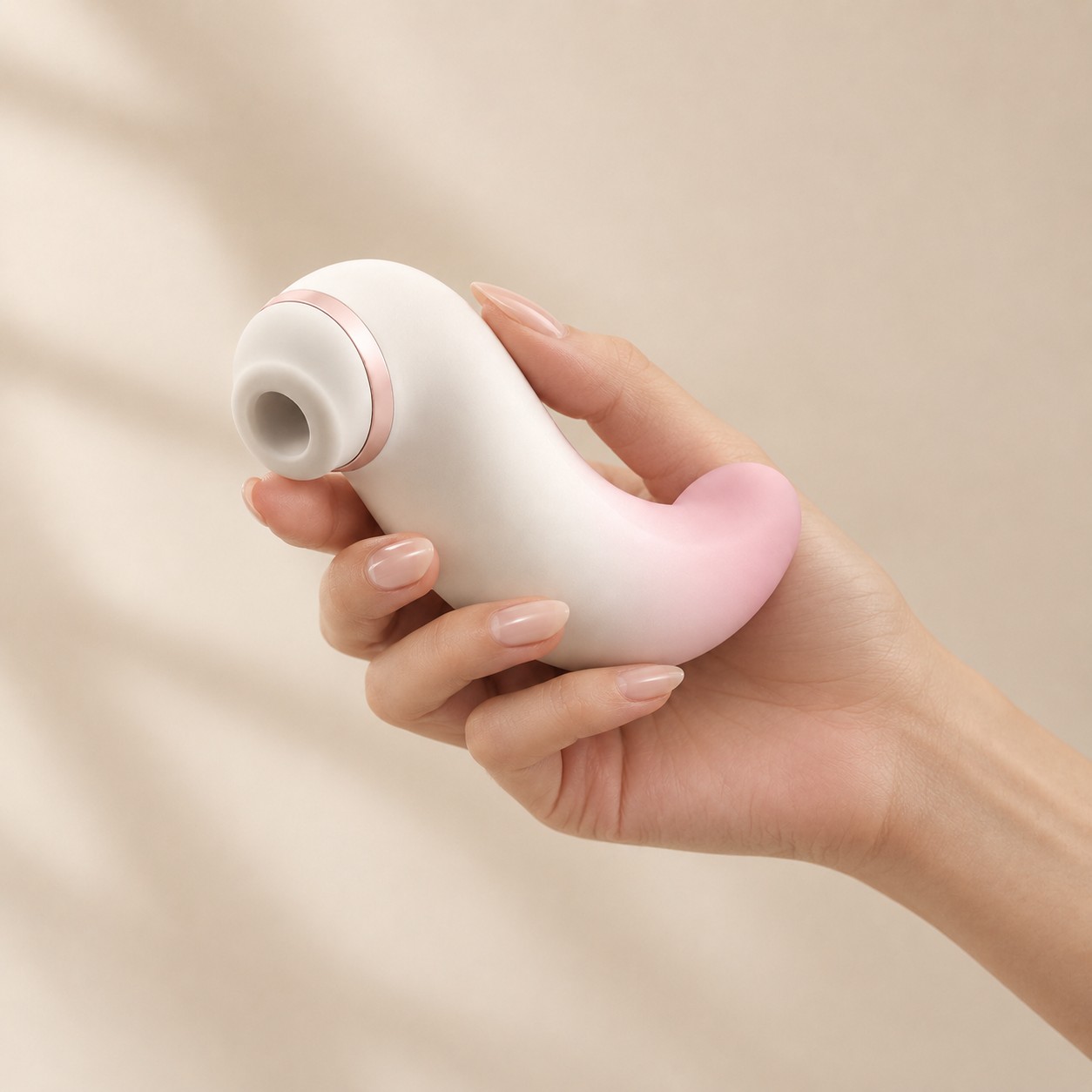
An external vibrator is often the easier first buy. Either partner can move it or take it away in a second.
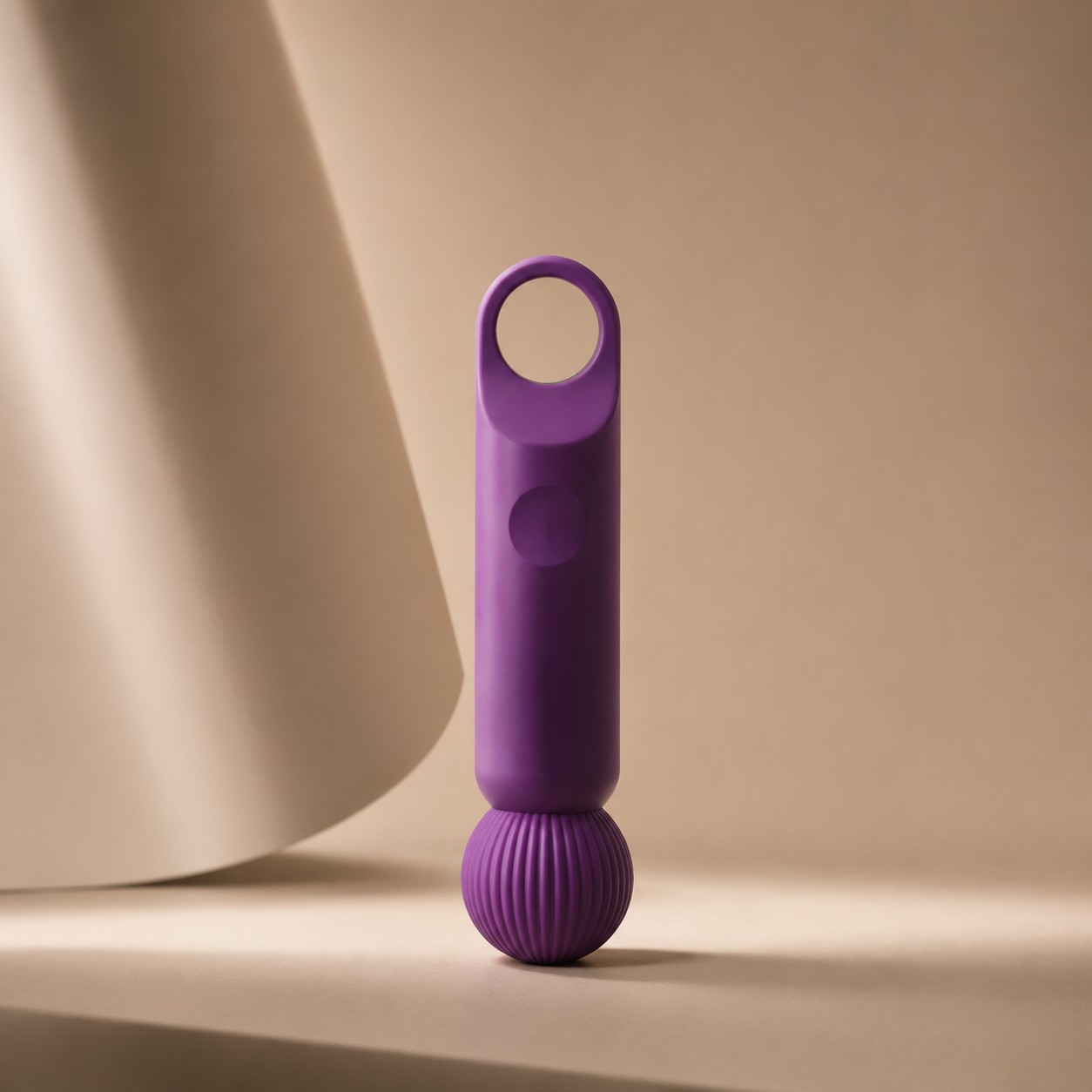
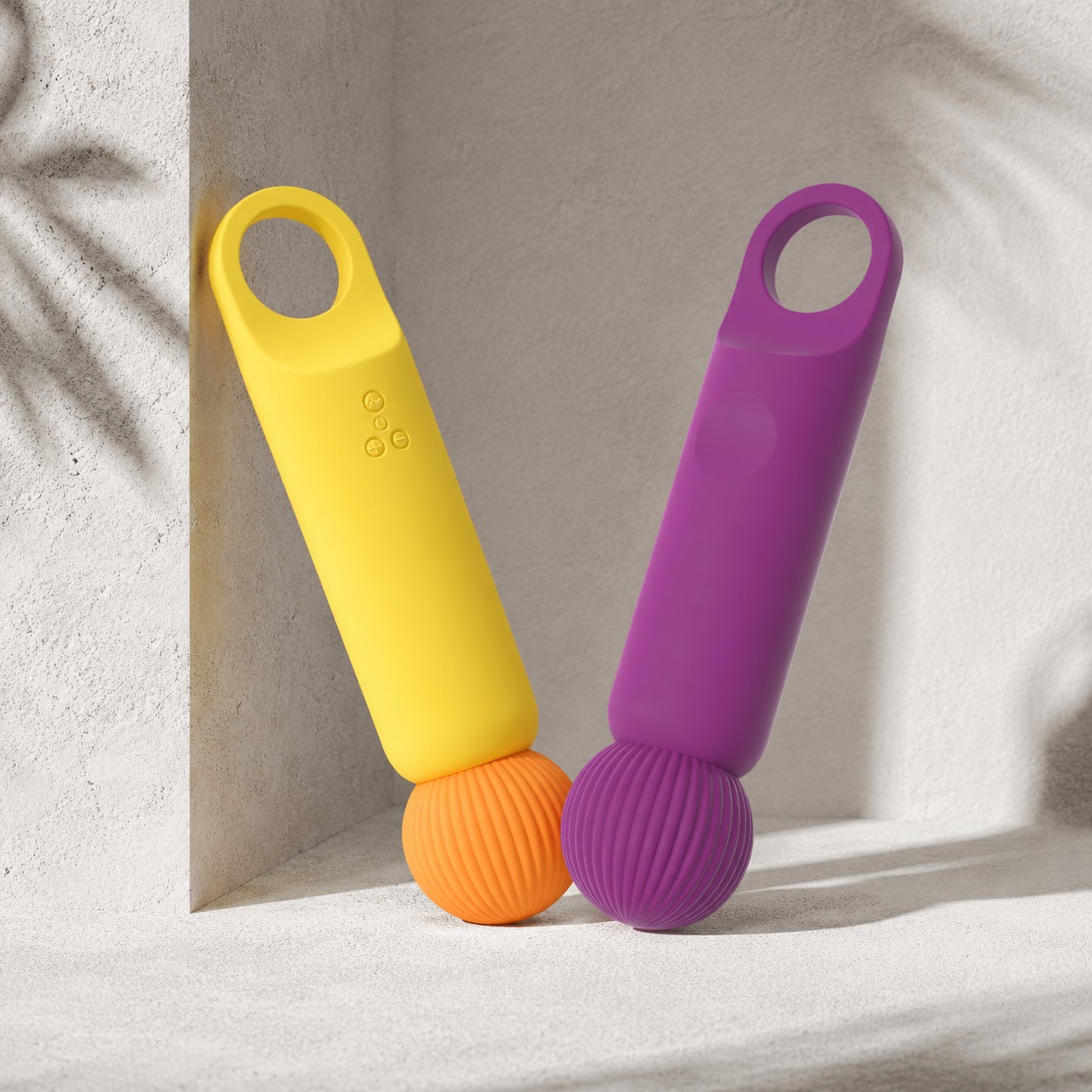
For example, Joybloom’s Lola vibrator is a compact internal and external vibrator with one-button control, 10 vibration patterns and food-grade liquid silicone listed on the product page. Its smaller shape makes it easier to introduce during foreplay or partnered exploration without turning the whole experience into a technical setup.
The point is not to choose the most powerful product. It is to choose the least distracting tool for learning together.
Step 5: Agree on a First-Time Plan
Before using the toy, answer four questions together:
Who will control it first?
What words mean “slower,” “pause” and “stop”?
Where is the toy welcome, and where is it not?
What happens if one person changes their mind?
The fourth answer should be simple: you stop, without sulking, bargaining or demanding an explanation in the moment.
Consent should be active, pressure-free and changeable. Planned Parenthood explains that consent means actively agreeing to sexual activity, and that a person can say “stop” at any time. [Planned Parenthood]
You can make the first experience feel less loaded by calling it a test drive:
“Tonight, we are only learning how it feels. We do not need to use every setting, and nobody needs to orgasm.”
Start low. Move slowly. Keep the first trial brief.
A partner who feels in control is much more likely to stay curious.
Step 6: Keep the Focus on Each Other
Once the product is in the room it can swallow the attention. Everyone starts watching buttons and reading faces. That is usually when it starts feeling like an intruder.
Keep your partner in the centre instead. Eye contact, touch, small check-ins:
“More or less pressure?”
“Do you want to hold it?”
“Should we pause?”
“Does this still feel good, emotionally as well as physically?”
Checking in is not the same as fishing. “Do you like that?” sounds like there is a right answer. “What would feel better?” invites one.
Sexual communication tracks closely with relationship and sexual satisfaction. A meta-analysis of 93 studies found positive associations between sexual communication and both, with the quality of that communication mattering most. PubMed
That does not make it easy, but the way you talk about sex counts.
The toy is there to support the conversation, not to have it for you.
Step 7: Use It as a Communication Tool, Not a Test
Sexual communication is strongly linked with relationship and sexual satisfaction. A meta-analysis of 93 studies found positive associations between sexual communication and both relationship satisfaction and sexual satisfaction, with communication quality especially important. [PubMed]
This does not mean every conversation will be easy. It means the way you talk about sex matters.
A vibrator can give couples a concrete reason to discuss things they may have avoided:
What kind of pressure feels good?
Is direct stimulation too intense?
Do you prefer slower buildup?
Do you want to control the pace?
Is this emotionally comfortable?
What would make the moment feel more connected?
These questions are not only about the product. They are about learning each other’s bodies and boundaries with more honesty.
Step 8: Debrief Without Comparison
Do not end the experience with:
“Was that better than usual?”
That question creates a competition nobody needs.
Wait until you are both relaxed, then ask:
What helped you feel comfortable?
Was anything distracting?
Did anything feel emotionally hard?
What would you keep, and what would you change?
Do you want there to be a next time?
Talk about sensations and moments, not about each other. “Starting on the lowest setting helped me relax” is feedback. “You were too nervous” is a verdict.
One of you may love it and the other may not. You can change the product, change how you use it, or decide toys are not part of your routine.
Trying something once commits neither of you to anything.
What If Your Partner Says No?
Respect the answer.
A no is not a puzzle to solve with better arguments. Your partner may need time or information. They may simply not want a toy in the room, and that is a complete answer.
You can ask, "Would you rather talk about what feels uncomfortable or leave it for now?”
If they give a clear no, stop raising it. Asking every few days turns a preference into pressure.
A product cannot rebuild broken trust or manufacture communication where there is none. If talking about sex keeps turning painful, hostile or pressured, a qualified couples therapist or certified sex therapist is the better next step.
How to Use a Vibrator With a Partner for the First Time
If you are both in, keep the first time simple.
Start with kissing, massage, and touch that is not about genitals. Leave the toy within reach rather than centring the moment on it.
When you are ready:
Turn it on away from the body first, so you both know how strong it is.
Start at the lowest comfortable setting.
Let the receiving partner guide placement.
Use it over underwear if direct contact is too intense.
Stop before either of you feels overwhelmed.
Use lubricant if needed and confirm that it is compatible with the product material. Joybloom notes that Lola works with water-based or aloe-based lubricant and advises avoiding silicone- or oil-based options because they may damage the device. The Joybloom Lola
Clean the product before and after use according to its instructions. Stop if there is pain, irritation, numbness or persistent discomfort.
The Takeaway
Most of the work happens before anybody opens a box. If your partner is worried about being replaced, slow down. Reassure them without brushing the fear aside. Shop together. Pick something simple. Set boundaries before the first use, and make it obvious that stopping is always allowed.
A product cannot supply affection or trust. Only the two of you can.
Handled well, a toy gives you a reason to talk about pressure, pace and what each of you actually wants. You do not need the most advanced option on the market, just one that leaves both of you free to say yes, slower, not that, or not tonight.
Questions You May Have
How do I tell my partner I want to use a vibrator?
Bring it up outside the bedroom, explain what you hope it could add and make clear that talking about it does not create an obligation to use one. Ask how your partner feels before suggesting a specific product.
Is it normal for a partner to feel replaced by a sex toy?
Yes. A toy can trigger concerns about desirability, comparison or sexual performance. Address the fear directly, avoid jokes about replacement and involve your partner in the decision.
What is a good first sex toy for couples?
A good first sex toy for couples usually has simple controls, a low starting intensity and a shape that is easy to move or remove. Compact external vibrators are often less intimidating because they allow gradual exploration.
How do you use a vibrator with a partner?
Start with consent and boundaries. Decide who controls it, where it can be used and what words mean pause or stop. Begin at the lowest setting and let the receiving partner guide placement and pressure.
Can sex toys improve intimacy?
They can support intimacy when both partners want to use them and communicate clearly. They cannot replace consent, emotional connection or professional support for persistent relationship problems.
What if my partner does not want to try a sex toy?
Respect the answer. You can ask whether they are open to discussing the concern, but do not pressure them. A no should remain a complete answer.