I know the CAT sex position does not look dramatically different from missionary. The difference is measured in inches rather than acrobatics.
Instead of positioning the penetrating partner directly between the receiving partner’s legs and relying on repeated in-and-out movement, the Coital Alignment Technique shifts the penetrating partner’s body higher. The partners then use coordinated rocking and pelvic pressure to create more consistent external contact.
CAT is Coital Alignment Technique. It was developed as a variation of face-to-face, penis-in-vagina intercourse intended to increase contact around the clitoris while preserving the closeness of missionary.
I get why the name sounds clinical. But the idea behind it is simple: most people with clitorises don't reach orgasm from penetration alone, and missionary, however intimate, doesn't always solve that. CAT is one attempt at bridging that gap.
It may appeal to couples who want more external stimulation during penetration and a slower, more rhythmic kind of movement, with close body contact and less emphasis on depth. You also don't need advanced flexibility for it. I used to think flexibility was part of the deal, too. It isn't.
One more thing I appreciate about CAT is it doesn't pretend to be a guaranteed orgasm formula. Some early research produced encouraging results. Later research failed to replicate all of them. Think of it as an alignment option, not a performance formula.
CAT Sex Position at a Glance
|
Feature |
CAT Position Profile |
|---|---|
|
Difficulty |
Beginner to intermediate |
|
Physical effort |
Low to moderate |
|
Penetration depth |
Usually shallow to moderate |
|
External stimulation |
Potentially high |
|
Internal stimulation |
Moderate and angle-dependent |
|
Face-to-face contact |
High |
|
Receiving partner’s control |
Moderate |
|
Beginner-friendly |
Yes, with communication |
|
Toy compatibility |
Best with compact external products |
|
Best known for |
Rocking pressure and clitoral contact |
What Is the CAT Sex Position?
Start in missionary. One partner lies on their back, the other above them.
Then the penetrating partner moves higher than in missionary. Their chest ends up closer to the receiving partner’s shoulders, which changes the pelvic angle.
Deep thrusting is not the point. Both partners coordinate a slow rocking motion instead.
The penetrating partner moves slightly downward.
The receiving partner tilts or rocks the pelvis upward.
Their pubic areas keep steady pressure.
The movement stays small and rhythmic.
At that height, the base of the penis, the pubic bone or the surrounding body can press against the external clitoral region.
CAT was described for penis-in-vagina intercourse. Partners using a strap-on can apply the same alignment and rocking, as long as the harness stays stable.
Anatomy, height difference and body shape all affect how easily the alignment works. Expect to adjust a few times before it feels distinct from missionary.

CAT Versus Missionary: What Changes?
In missionary, movement comes from the hips and follows a direct in-and-out path.
CAT changes that in three ways.
1. The Penetrating Partner Moves Higher
The upper partner shifts toward the receiving partner’s head instead of staying over the pelvis. That moves the point of contact.
2. Rocking Replaces Deep Thrusting
Both partners use short, coordinated pelvic movements to hold pressure rather than separate and come back. Long or forceful strokes break the contact CAT is built around.
3. Both Partners Set the Rhythm
The receiving partner is not passive. Tilting the pelvis into the partner’s downward motion keeps the pressure steadier and easier to adjust.
These differences are small. Getting them right takes precision more than effort.
How to Try the CAT Sex Position
Move slowly enough to notice what each adjustment changes.
Step 1: Begin in a Comfortable Missionary Position
The receiving partner lies on their back. The penetrating partner begins above them, supporting their weight through their knees, forearms or hands.
Use lubricant if needed. Enter slowly and confirm the first angle feels comfortable before changing anything.
Step 2: Shift the Upper Body Higher
The penetrating partner slides forward gradually, until their chest sits higher over the receiving partner.
Penetration will probably feel shallower. That’s intentional.
Legs can stay extended, wrap loosely around the partner, or bend however is comfortable.
Step 3: Find External Contact
Pause before moving.
Notice whether the base of the penis or the penetrating partner’s pubic area rests against or near the clitoral hood and vulva.
If nothing makes useful contact, adjust the alignment slightly. Moving too far creates awkward pressure or makes penetration slip.
Step 4: Replace Thrusting with Rocking
The penetrating partner moves gently downward as the receiving partner rocks the pelvis upward.
Keep the movement controlled and small. Imagine the pelvises rolling together rather than one partner thrusting into the other.
The receiving partner can guide the rhythm out loud, or put a hand on the partner’s hip.
Step 5: Adjust One Variable at a Time
Change one element at a time, so you can tell which adjustment did what.
Move the penetrating partner slightly higher or lower
Tilt the receiving partner’s pelvis
Straighten or bend the legs
Slow the rhythm
Increase or decrease body pressure
Put a thin pillow under the hips
Then you’ll know which change helped and which one didn’t.
Why the CAT Position May Feel Different
The visible glans is only one part of the clitoris, but it is a highly sensitive external structure. During penetrative sex, direct and indirect external stimulation varies considerably between positions and bodies.
In a U.S. probability sample of 1,055 women aged 18 to 94, 36.6% reported that clitoral stimulation was necessary for orgasm during intercourse. Another 36% said it was not required but made orgasm feel better. Only 18.4% said intercourse alone was sufficient. [Journal of Sex & Marital Therapy]
CAT builds that external contact into the movement itself.
It may also feel different because:
Body contact remains more continuous.
The receiving partner helps control the rhythm.
Shallower movement may feel less intense internally.
Face-to-face positioning supports kissing and communication.
Slow rocking may reduce the sense of rushing toward orgasm.
None of these features guarantees pleasure. Some people prefer direct stimulation with a hand or vibrator, while others find sustained body pressure too diffuse or too intense.
What Does the Research Say About CAT?
The scientific evidence is limited and mixed.
A small 1988 study compared people who had learned the Coital Alignment Technique with a volunteer group unfamiliar with it. The researchers reported higher measures of intercourse-related orgasm and sexual satisfaction among women in the CAT group. However, the study involved only 86 participants and was not a large randomized clinical trial. [Original CAT study]
In 1992, another clinical group attempted to reproduce the reported orgasm benefits and failed to replicate the original claims. The authors still concluded that CAT might have value in certain sex-therapy contexts but required further evaluation. [Replication report]
A later review of psychological treatments for female orgasmic disorder found relatively little evidence for CAT training as a primary treatment compared with approaches such as directed masturbation, sensate focus and psychotherapy. [Sexual Medicine Reviews]
The responsible conclusion is that CAT may improve external contact for some couples, but it should not be marketed as a proven treatment for orgasm difficulty.
If orgasm concerns persist and cause distress, a sexual medicine clinician or certified sex therapist can assess the physical, psychological and relational factors.
What Is the CAT Position Best For?
CAT is worth trying if you’re after any of these.
More External Stimulation
Broader pressure around the vulva and clitoris, with no hand needed.
Close, Face-to-Face Intimacy
Room for kissing, eye contact and quiet conversation.
Slower Movement
Steady coordination matters more than speed.
Moderate Rather Than Maximum Depth
Often shallower, which suits anyone who finds deep penetration uncomfortable.
Shared Participation
Both partners control pressure and rhythm.
Adding More Focused External Stimulation
Body-to-body contact feels good. It isn’t always precise.
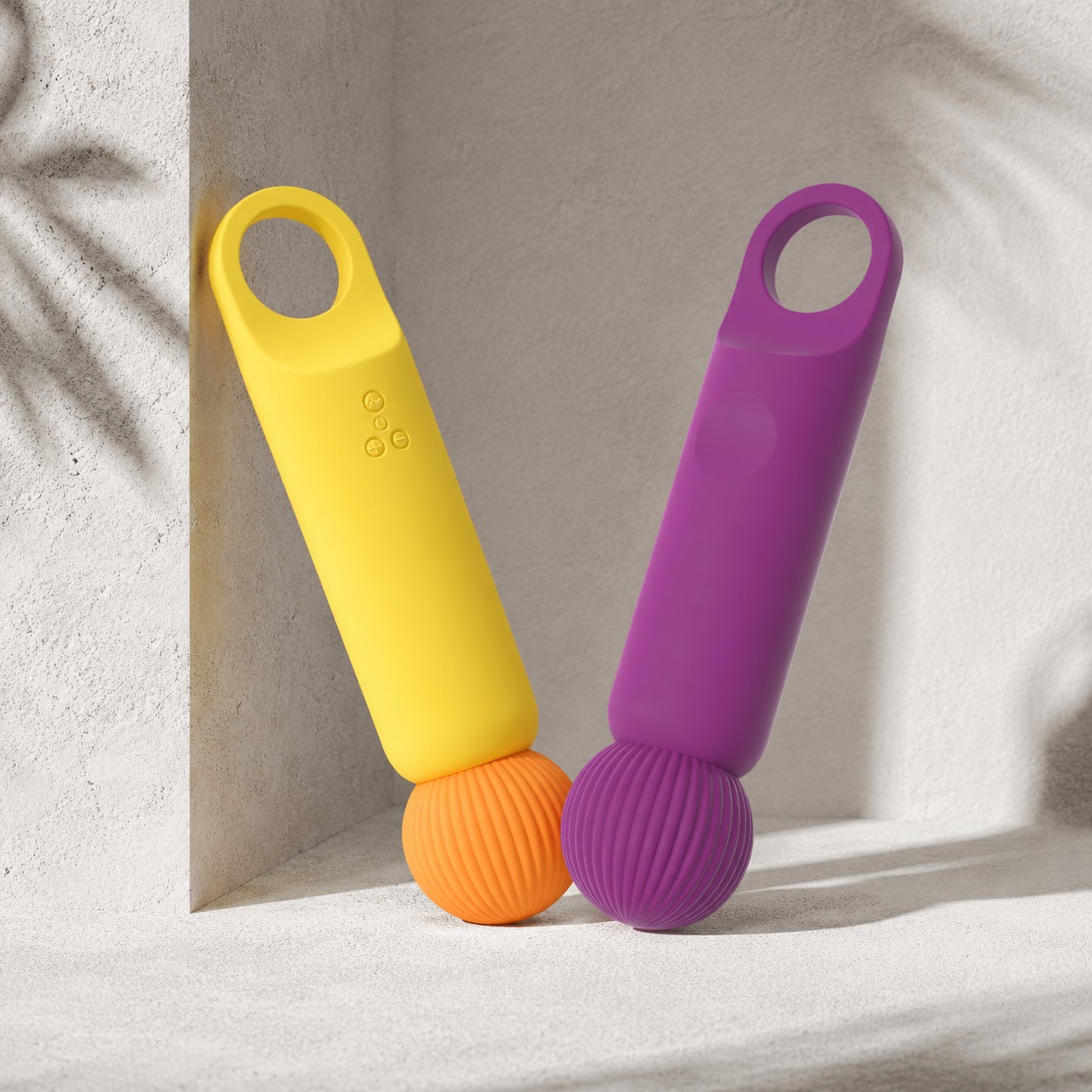
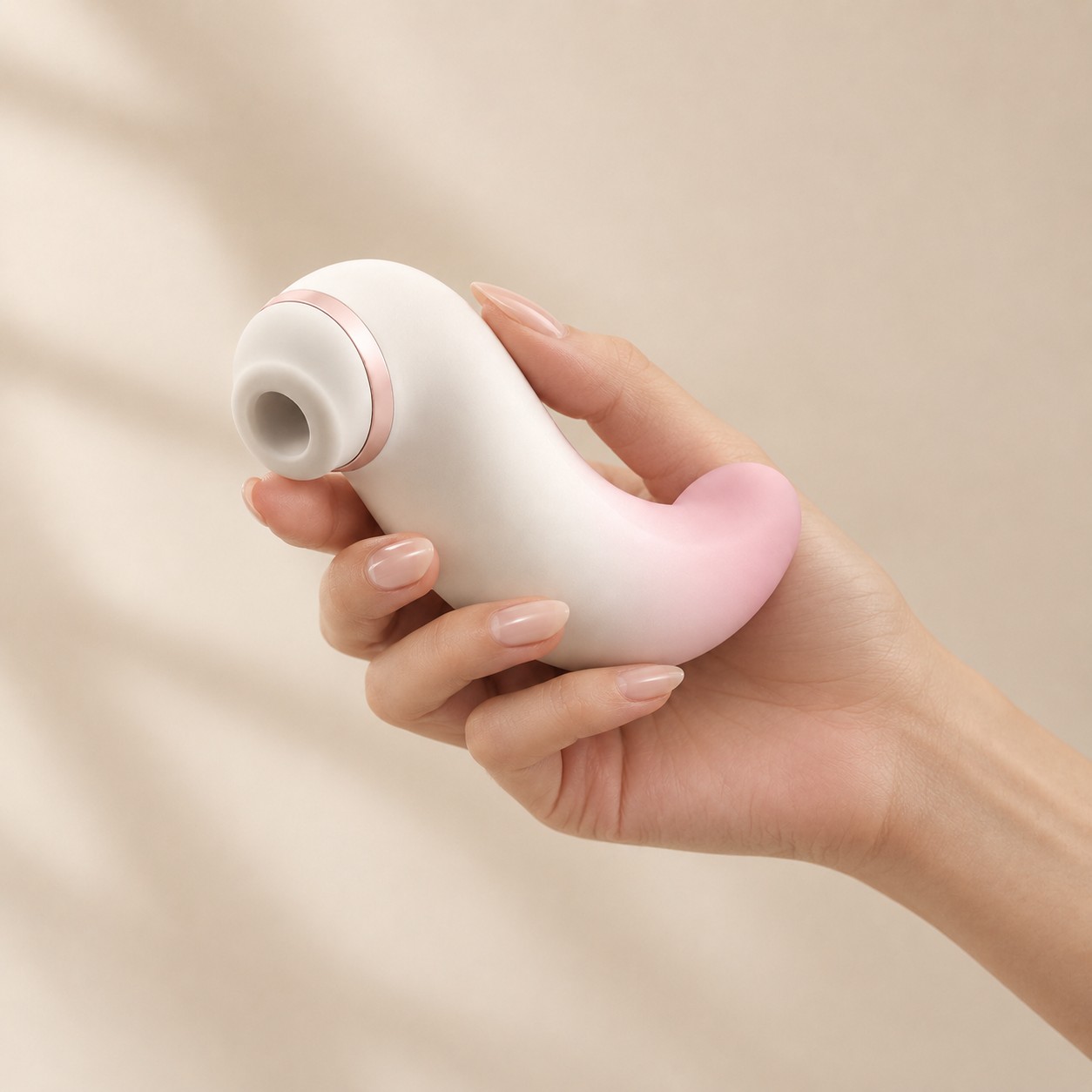
For anything more targeted, a compact vibrator can sit around the clitoral hood without changing the alignment much.
The Joybloom Lola has a compact shape, one-button control and ten vibration patterns. Its size makes it easier to introduce during close-contact positions than a larger wand.
For the CAT position:
Establish a comfortable rocking rhythm first.
Pause before introducing the product.
Let the receiving partner control the placement initially.
Begin at the lowest comfortable setting.
Position it beside or above the clitoral glans if direct contact feels too intense.
Stop or reposition it if vibration becomes distracting or numbing.
Lola does not make CAT “work,” and orgasm should not become the required outcome. Its purpose is to provide another adjustable source of external sensation when body pressure alone is not specific enough.
Use a water-based lubricant if needed and clean the product according to its instructions.
Make the CAT Position Your Own
Pick adjustments based on the sensation you want. Don’t worry about matching a diagram.
If You Want More External Contact
Keep the bodies close and the rocking small. The penetrating partner holds the higher position instead of drifting back to missionary.
If You Want More Internal Sensation
Move the penetrating partner slightly lower, or slide a thin pillow under the receiving partner’s pelvis.
If You Want More Control
The receiving partner sets the pace with their hips, or plants both feet on the bed for leverage.
If You Want Less Physical Effort
Pillows under the penetrating partner’s elbows. Take breaks when holding your weight gets tiring.
If You Want More Connection
Slow down further. Kiss, make eye contact, say what’s working.
Common CAT Position Mistakes
Moving Too Far Forward
A higher position is essential, but moving excessively high may make penetration unstable or place uncomfortable pressure on the receiving partner’s upper body.
Adjust gradually.
Returning to Long Thrusts
Large in-and-out movements repeatedly interrupt external contact. If CAT starts feeling identical to missionary, reduce the movement and return to rocking.
Applying Too Much Body Weight
The penetrating partner should not collapse their full weight onto the receiving partner. Use arms, knees or pillows for support, and check whether breathing and movement remain comfortable.
Chasing Simultaneous Orgasm
Early CAT research emphasized simultaneous orgasm. It isn’t a reliable marker of good sex. Partners may finish at different times, or not, and still enjoy the position.
Treating Silence as Positive Feedback
Ask specific questions:
“Would you like more or less pressure?”
“Should I move slightly higher?”
“Does slower feel better?”
“Do you want to continue?”
Precise feedback is more useful than guessing.
When the CAT Position May Not Be Comfortable
CAT may be unsuitable when:
Pressure on the vulva or clitoris feels painful
Penetration causes burning or deep pelvic pain
The receiving partner has difficulty breathing beneath close body contact
Either partner has a shoulder, wrist, hip or back injury
Pregnancy or recent surgery makes the position uncomfortable
Maintaining penetration requires force
Either partner feels pressured to continue
Stop if you experience sharp pain, numbness, bleeding or persistent discomfort.
ACOG recommends seeking professional evaluation for frequent or severe pain during sex. Lubricant and position changes may improve comfort in some situations, but they do not treat an underlying medical condition. ACOG
Positions to Explore Next
If CAT works for you because of the external contact and face-to-face closeness, try these next:
- Missionary position: More flexible depth and movement
- Lotus position: Upright, face-to-face closeness with shared rocking
- Cowgirl position: Greater control for the receiving partner
- Spooning position: Lower effort and gentler movement
- Face-off position: Seated intimacy with easy rhythm control
These pages should link back to the CAT guide and to the relevant clitoral stimulation content, creating a connected cluster rather than isolated position articles.
Questions You May Ask
What does CAT stand for in the CAT sex position?
CAT stands for Coital Alignment Technique. It is a higher-alignment variation of missionary intended to create more consistent external contact during penetration.
Is CAT the same as missionary?
No. CAT begins in a missionary-style position, but the penetrating partner moves higher and both partners use rocking rather than long thrusting.
Does the CAT position guarantee orgasm?
No. Some early research reported positive outcomes, but later findings were mixed. Pleasure and orgasm depend on individual anatomy, stimulation preferences and context.
Does CAT provide clitoral stimulation?
It may create broad pressure around the clitoral region through body contact. Some people still prefer more direct stimulation with a hand or compact vibrator.
Is the CAT sex position suitable for beginners?
It can be. The position does not require advanced flexibility, but finding the right alignment may take communication and several small adjustments.
Can CAT be used with a strap-on?
The same alignment and rocking principles may be adapted for strap-on penetration, provided the harness remains stable and both partners are comfortable.
Why does penetration keep slipping during CAT?
The penetrating partner may have moved too high, the rocking movement may be too large or lubrication may have changed the stability of the angle. Move slightly lower and reduce the range of motion.
Is the CAT position good for deep penetration?
CAT usually emphasizes external contact and shallow-to-moderate penetration rather than maximum depth. Couples seeking deeper angles may prefer a different position.
The Takeaway
CAT changes how two bodies move together. The shape stays close to the missionary.
Shift higher. Stay close. Replace long thrusts with coordinated rocking. Then adjust the pressure and angle according to real feedback.
Research doesn’t back CAT as a fix for orgasm difficulty. What it offers is another way to combine penetration, external contact and shared control.
The right alignment is the one that keeps both partners comfortable and lets them say what they want.