If a woman you share life with has entered perimenopause or menopause, you may have probably noticed a change. The same woman who once acted with confidence, assurance and ease now appears tense or drained. The closeness you relied on feels as though it is slipping away and you do not know the reason.
Public discussion lists the familiar signs about this phase - hot flushes, shifting moods, night time sweats - but it is quite shame that almost no one describes or discusses what the partner experiences while standing beside her.
In fact, this biological shift belongs to both of you - if you feel puzzled, helpless, pushed aside or powerless, you are not alone. Importantly, a route exists plus it can draw the two of you together rather than apart.
The unspoken topic in the bedroom
Sex often becomes the subject neither of you mentions. Estrogen falls sharply - vaginal tissue grows dry, thin and less supple. Intercourse that gave pleasure now hurts. At the same time, desire drops because hormone levels swing, sleep breaks apart and her mind carries the weight of a body that no longer behaves as it once did.
You may interpret her refusal as a personal dismissal - you hear "no" but also conclude "no to you".
However, she is not rejecting you - she is reacting to transformations inside her own body.
Your Role in the Redefinition
This stage demands a clear change in how you understand closeness. If you hold on to the idea that "sex" has to happen without planning, involve penetration and end in climax, you will face steady disappointment. If you open the meaning wider, you will meet a fresh phase of bonding.
Below are steps you take for her and for yourself while this change unfolds.
-
Learn for Yourself (But Don't Make Her the Instructor)
A spouse who do their homework is the sexiest thing there is. Learn about the perimenopause. Discover the clinical term for vaginal atrophy. Recognize that this is a biological process rather than a choice. When you are knowledgeable, you say, "I hear you. We are in this, together."
-
Try to Remove Penetration from the Pedestal
Intercourse should not be the main goal at this time. Pleasure and connection should be the main objectives. When you take away the pressure to "perform" or "finish," you provide her with a secure environment in which to find her sexuality.
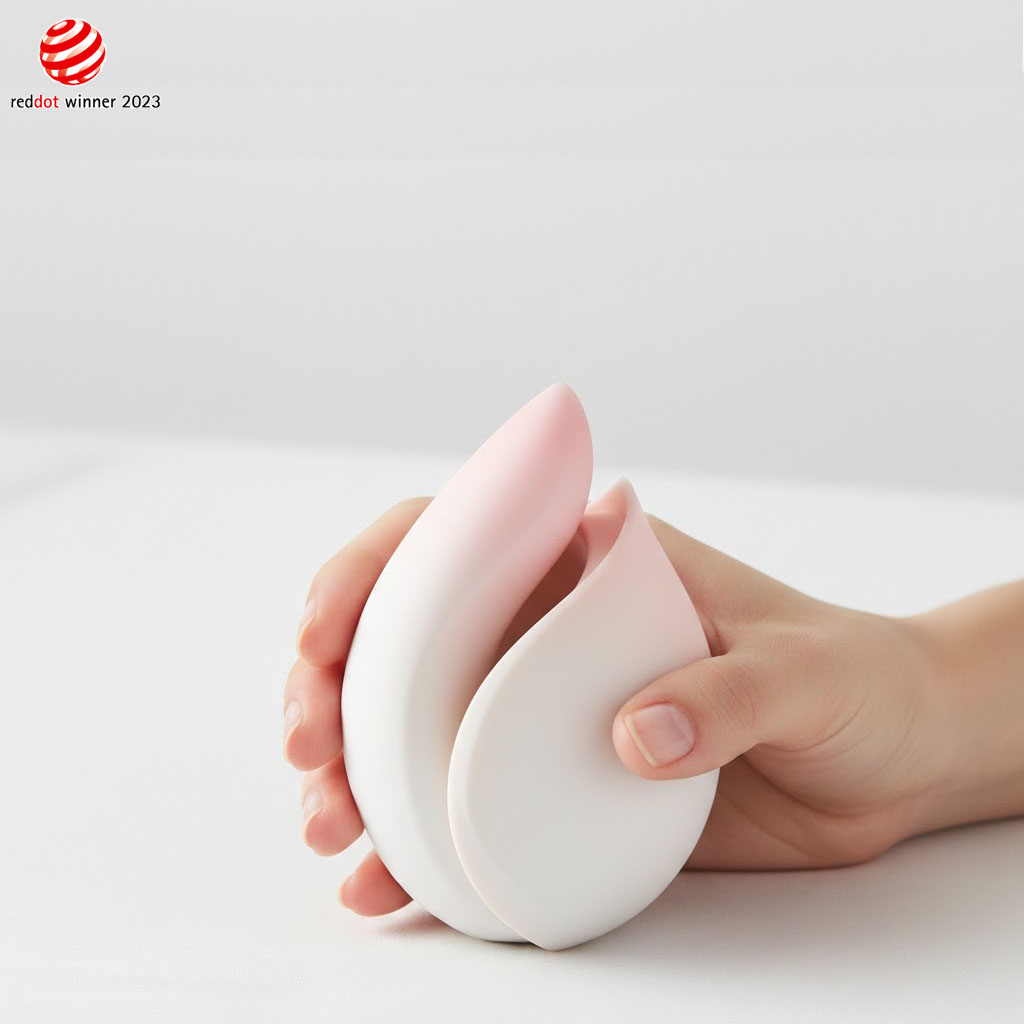
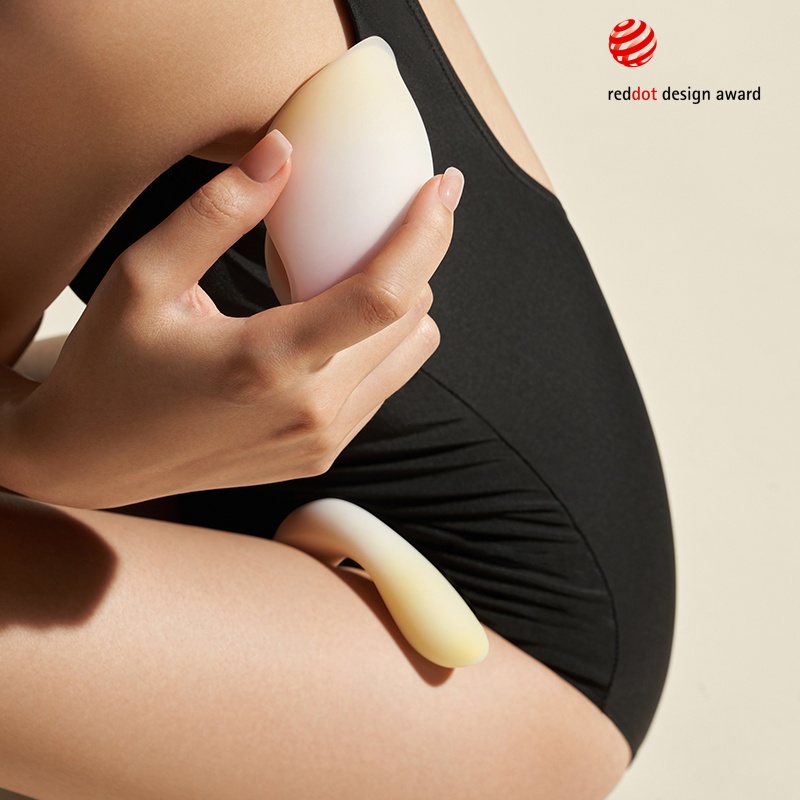
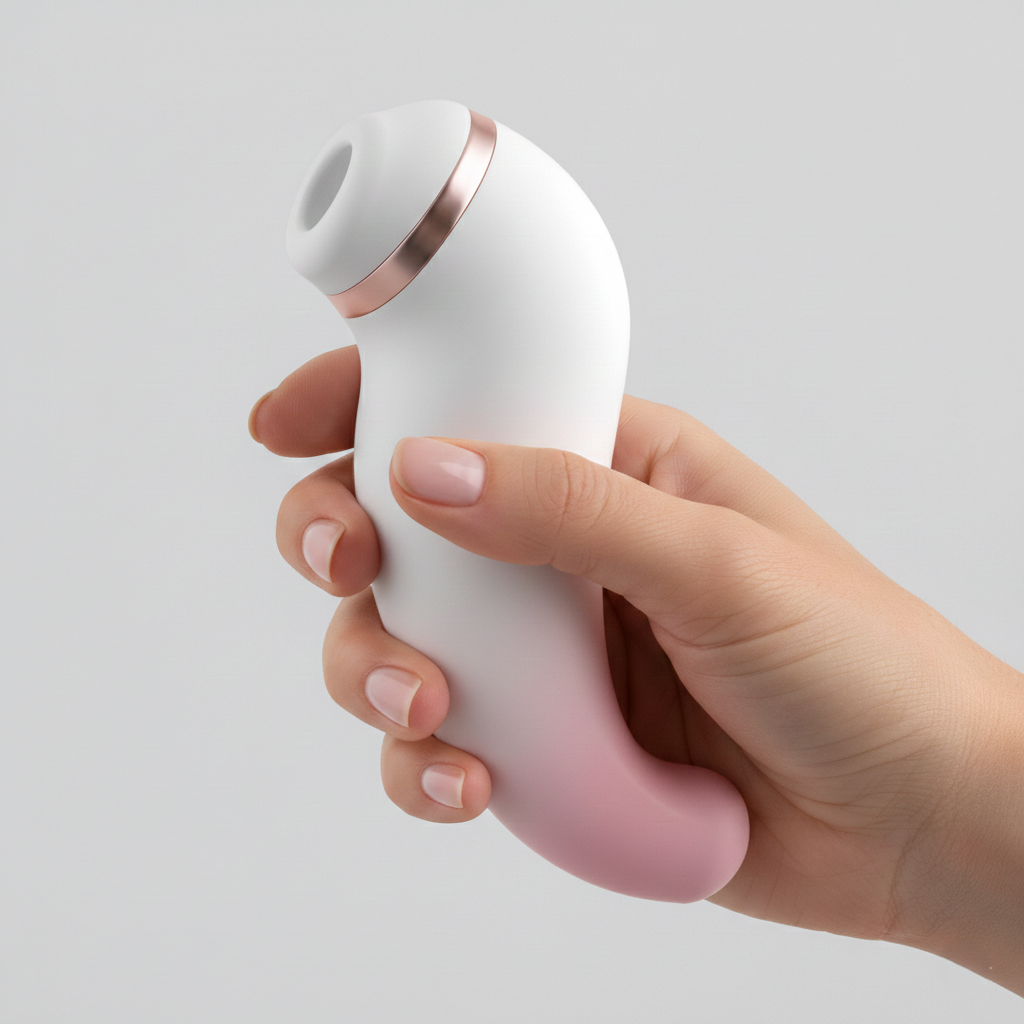
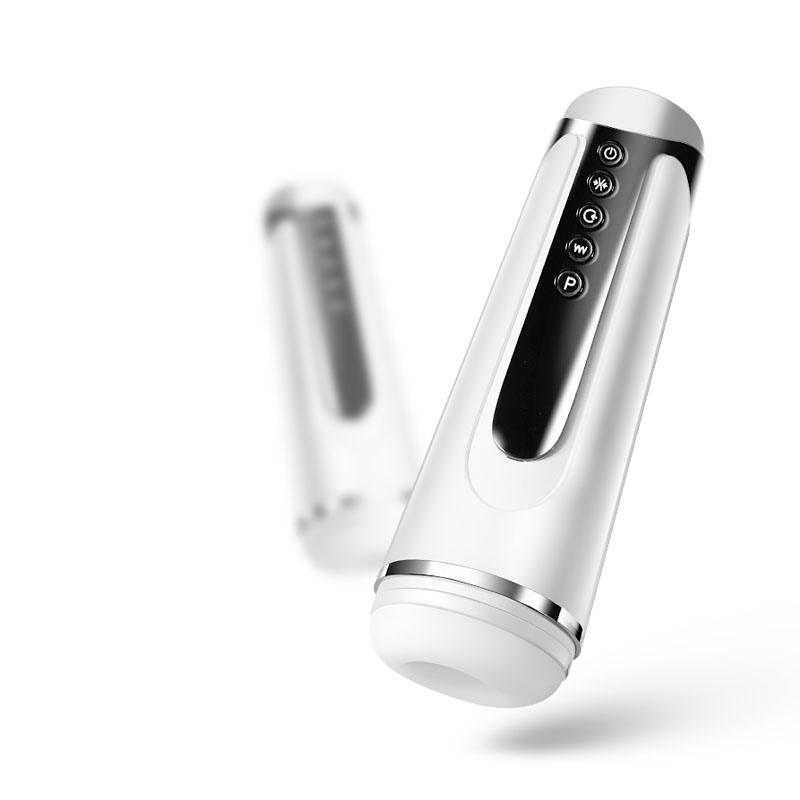
In this situation, your collection of sex toys can serve as a bridge rather than a barrier.
-
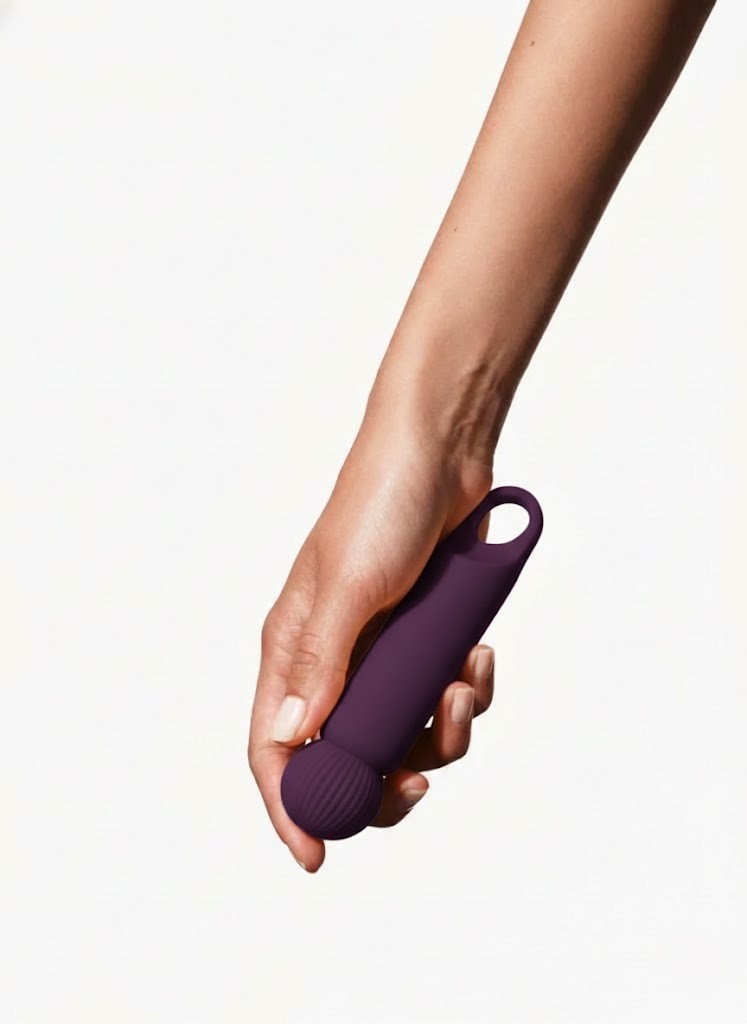
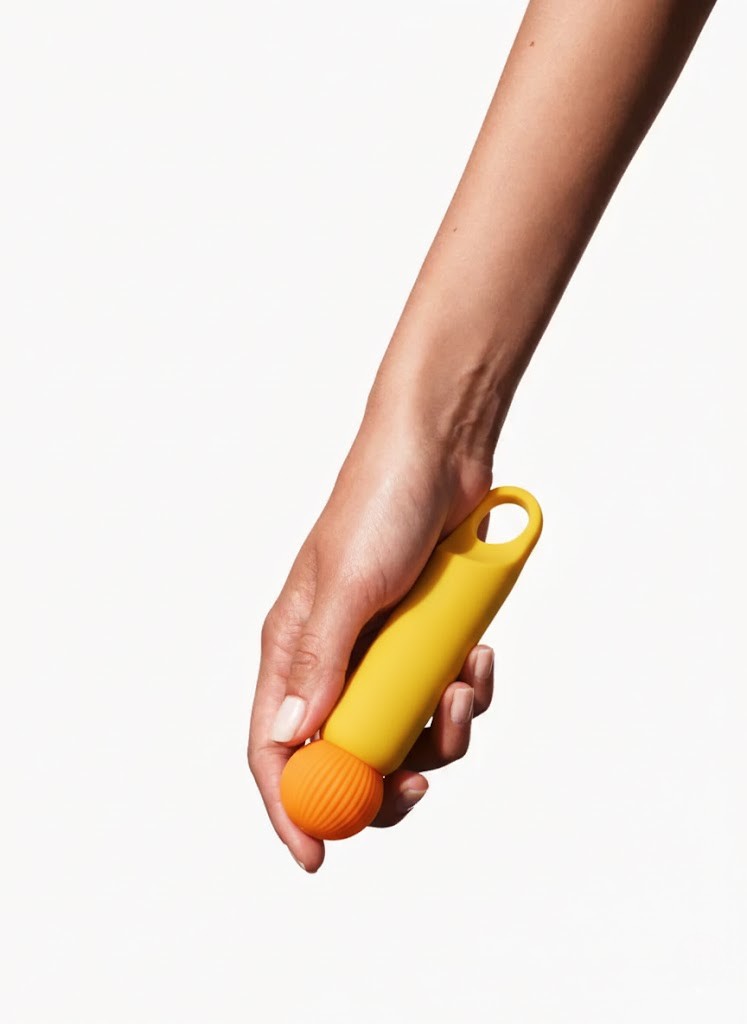
External Focus: High-quality external vibrators (like wands or air-pulse stimulators) can provide intense pleasure without the discomfort of penetration. Focusing solely on clitoral stimulation for a while can rebuild her confidence that intimacy feels good.
-
Lube is A Must: Even if she isn’t dry, use lube. High-quality, long-lasting lubricants can definitely be a signal that you care about her comfort. Make it a ritual, not a remedy.
-
Explore Together: Buy her toys that she personally prefers. Explore good quality vibrators that fit against her during intercourse can help reframe penetration as a shared, pleasurable event rather than a potential source of pain.
-
Rethink Closeness
Never stop asking yourself, "What does connection look like without intercourse?"
Get her a free full-body massage by purchasing energy stones or massage oils. Try taking sensual showers. Sometimes, without the physical exertion of traditional sex, a sense of erotic teamwork can be restored by lying naked together and using a vibrator on her (or watching her use one).
-
Discuss It Outside of the Bedroom
When you're naked, frustrated, and yearning for sex, it's the worst time to talk about the difficulties of menopause. The ideal moment is over coffee or on a peaceful afternoon stroll.
Make use of "I" expressions. Try saying, "I miss feeling close to you," rather than, "You never want to have sex anymore." I want to find a way for us to reconnect in a way that benefits both of us because I know your body is going through a lot.
Similar discussions can help her express her true emotions, such as anguish, insecurity, and tiredness, without becoming defensive.
Taking Care of Yourself
It's acceptable to admit that you find this difficult as well. Experiencing the loss of your former sexual dynamic is acceptable. You are free to experience loneliness. But it's crucial to control these emotions without feeling pressured. The greatest libido killer of all is resentment.
If you're having trouble, think about seeing a couples counselor or sex therapist who specializes in intimacy and aging. Having an impartial third party assist you in bridging the communication gap is perhaps the best investment you can make for your relationship.
A New Chapter Awaits
Menopause is not the end of your sex life. It is a transition—a renovation. The walls of the old structure might need to be changed, but what you build in its place can be sturdier, more communicative, and surprisingly more adventurous.
Many couples report that after the chaos of perimenopause settles, they have the best sex of their lives. Why? Because they are finally forced to communicate. They ditch the old scripts of what sex "should" be and create a new script based on shared pleasure, trust, and intimacy.
So, if you are the partner standing on the sidelines wondering how to help—step into the action. Bring the lube. Do the research or read related articles. Add new toys to the toy drawer. And most importantly, hold her hand and tell her, “I may not understand exactly what you’re going through, but I’m not going anywhere. We’ll figure this out together.”
Because menopause isn’t just her journey. It’s yours, too. And it can be the journey that brings you closer than ever.
Looking to bridge the intimacy gap?
Explore our toys designed to make comfort and pleasure the priority during menopause.